
Plants
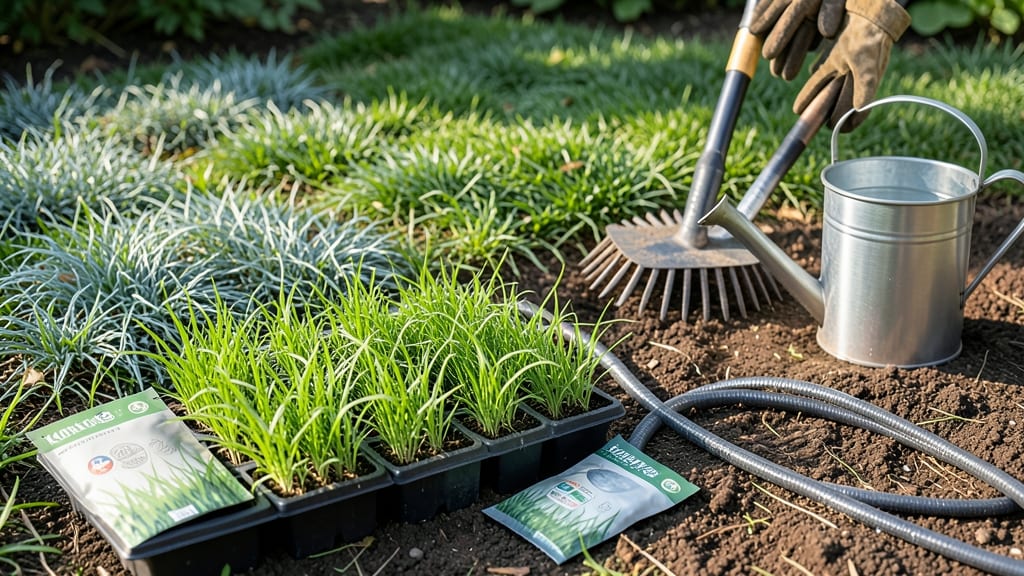
If you’ve ever stared at a patchy, brown lawn in North Carolina and wondered "when is the best time to plant grass", you’re not alone. The answer isn’t just about the calendar—it’s about your microclimate.
Whether you’re in the humid coastal plains or the cooler mountain regions, planting at the wrong time can mean thin grass, weeds, or wasted effort.
Here’s the truth: North Carolina’s 7a-8b zones give you two prime windows—early spring (March-April) and late summer (August-September)—but your exact timing depends on soil temperatures and local weather patterns. Miss the window, and you’ll spend the next year battling uneven growth or fungal issues.
In this guide, I’ll break down the best months for your specific region, from Piedmont’s mild springs to the mountains’ delayed planting seasons. You’ll also learn how to prep your soil, choose the right grass seed, and avoid costly mistakes that derail even the most well-timed planting.
Ready to transform that bare spot into a lush, green lawn? Let’s get started with the critical timing and care tips you need to succeed in NC’s diverse climate.
North Carolina’s grass planting windows by region: coastal vs Piedmont vs Mountain timelines
North Carolina’s diverse climate zones mean your best planting window depends on where you live. The Coastal Plain, Piedmont, and Mountain regions each have unique soil temperatures, rainfall patterns, and frost dates that dictate the ideal time to plant.
Let’s break down the optimal months for each zone to ensure your grass establishes strong roots before summer heat or winter chill sets in.
For Coastal North Carolina (e.g., Wilmington, Morehead City), the primary planting window runs from late February to early April. This region’s warmer soil temperatures and higher humidity allow seeds to germinate quickly, but planting too early risks slug damage or seed washout from heavy coastal rains.
Aim for soil temps between 60-70°F—use a soil thermometer to check before planting.
In the Piedmont (Raleigh, Greensboro), your sweet spot shifts slightly later: mid-March to mid-April. This zone’s moderate climate and well-draining soils make it ideal for tall fescue and Kentucky bluegrass, but avoid planting after mid-April when summer heat stress peaks.
The NC State Extension recommends waiting until after the last frost date (typically March 15 for Piedmont) to minimize frost damage.
The Mountain region (Asheville, Boone) has the latest planting window: late April to early May.
Cooler temperatures and higher elevations delay soil warming, so late summer (August-September) is also a viable option here. Cool-season grasses like tall fescue thrive in these conditions, but warm-season grasses (e.g., Bermuda) must be planted after Memorial Day to avoid frost.
🌱 North Carolina Grass Planting Timeline by Region
| Region | Best Planting Months | Soil Temp Threshold | Key Considerations |
|---|---|---|---|
| Coastal | Late Feb - Early Apr | 60-70°F | High humidity; watch for slugs and washout |
| Piedmont | Mid-Mar - Mid-Apr | 60-70°F | Moderate climate; ideal for tall fescue |
| Mountain | Late Apr - Early May | 55-65°F | Cooler temps; late summer also viable |
Pro Tip: Use the NC State Extension Planting Calendar (link) to check local frost dates and soil conditions before planting.
Don’t overlook late summer planting (August-September) as a secondary window, especially in the Mountains or for warm-season grasses like Bermuda. This timing allows seeds to germinate before fall rains and establish roots before winter dormancy.
However, avoid planting after Labor Day—new grass won’t have enough time to root before first frost (typically mid-November in Piedmont).
To confirm your local readiness, dig a 6-inch hole and check the soil temperature with a thermometer. If it’s below 55°F, wait a week or two.
For Coastal areas, also monitor rainfall forecasts—planting during heavy rain periods can lead to seed erosion or fungal diseases. Use a lightweight straw mulch to protect seeds if rain is forecasted within 48 hours of planting.
Regardless of your NC region, prioritize soil preparation 2-3 weeks before planting. Loosen compacted soil, amend with compost, and level the area to ensure even seed distribution.
This step is critical for Coastal soils, which can become waterlogged, and Mountain soils, which may be rocky or acidic. Adjust your pH level (ideal: 6.0-7.0) using lime or sulfur as needed.
Remember: Timing is everything in NC’s unpredictable climate. Plant too early, and you’ll face pests or frost; plant too late, and your grass will struggle with
How to prepare your soil and choose grass seed for North Carolina’s climate zones
North Carolina’s three distinct regions—coastal, piedmont, and mountain—each demand unique soil prep and grass seed choices. Before you plant, test your soil pH (ideal: 6.0–7.0) using a DIY kit or send a sample to the NC State Extension.
Coastal areas often need sand amendments to improve drainage, while mountain soils may require organic matter like compost to retain moisture.
Start by removing debris and aerating compacted soil with a core aerator (rent or buy). For sandy coastal soils, mix in 2–3 inches of topsoil or peat moss to boost water retention.
In the piedmont region, till in 3–4 inches of compost to enhance fertility, and in the mountains, focus on improving drainage with gypsum if clay is an issue.
| Region | Soil Prep | Best Grass Seed | Key Tip |
|---|---|---|---|
| Coastal | Add sand + peat moss | Bermuda or Zoysia | Drought-tolerant varieties |
| Piedmont | Compost + lime if acidic | Tall Fescue or Ryegrass | Cool-season grasses thrive |
| Mountain | Gypsum for clay soils | Fine Fescue | Shade-tolerant for wooded areas |
Choosing the right grass seed is just as critical as soil prep. Bermuda grass dominates coastal areas thanks to its heat and salt tolerance, while tall fescue rules the piedmont for its deep roots and drought resistance.
Mountain regions favor fine fescue or ryegrass, which handle cooler temps and partial shade. Avoid Kentucky bluegrass in hot climates—it struggles with summer heat and requires constant watering.
Pro tip: Mix seed varieties for a thicker lawn. For example, blend 60% tall fescue with 30% ryegrass and 10% clover in piedmont lawns. This diversity improves disease resistance and color retention. Always follow the seed bag’s planting rate—over-seeding wastes money and invites weeds.
After planting, lightly rake the seed into the soil (no deeper than ¼ inch) to ensure soil contact. Then, cover with straw to protect seeds from bird damage and sunburn.
Water gently but frequently (2–3 times daily) for the first 2 weeks, keeping the top 1 inch of soil moist. Use a sprinkler with fine mist to avoid washing out seeds.
One common mistake is planting too late in spring when summer heat is approaching. If you miss the March–April window, switch to fall planting (August–September) instead. Fall seeds germinate in cooler temps and establish stronger roots before winter.
Just avoid planting after Labor Day—new grass won’t have time to harden off before frost.