
Planting
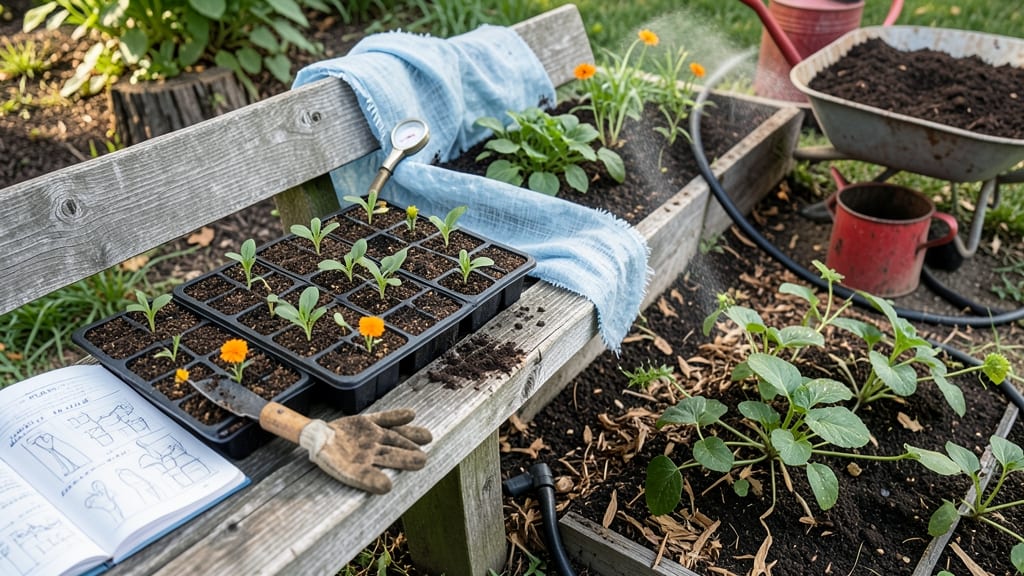
When is the best time to plant a garden in Ohio? Timing your Ohio garden just right can mean the difference between a bountiful harvest and a sad pile of frost-nipped seedlings. With USDA Zones 5b-6a's unpredictable spring weather, knowing when to plant isn't just helpful—it's essential for success. Whether you're dreaming of crisp lettuce or juicy tomatoes, getting the timing down to the week makes all the difference in Ohio's climate.
I've spent years watching Ohio's frost dates shift from April 15 to May 15 depending on the year, and let me tell you—planting too early can turn your hard work into a sad, icy mess. But the good news?
With the right strategies, you can work with Ohio's quirks to create a thriving garden that produces all season long. Let's break down exactly what you need to know to plant at the perfect moment.
What makes Ohio's planting schedule unique is how much it varies by microclimate—Columbus might be ready for tomatoes while Toledo still has frost in the forecast.
We'll cover how to read your local signs, adjust for late frosts, and choose crops that give you the most flexibility. No more guessing games! Whether you're a first-time gardener or a seasoned pro, these insights will help you maximize your garden's potential.
From cool-season stars like spinach to heat-loving tomatoes, I'll show you the exact windows you should be planting in Ohio. Plus, I'll share my top tips for extending your growing season so you can enjoy fresh produce from spring through fall.
Ready to transform your Ohio garden into a thriving oasis? Let's get started.
Ohio planting calendar: exact last frost dates & deadlines by crop type (2024)
Ohio’s USDA Zones 5b-6a mean your planting timeline hinges on last frost dates, which typically fall between April 15 and May 15 across the state. Northern areas like Cleveland often wait until May 1, while southern regions like Cincinnati can start as early as April 1.
These dates separate cool-season crops (like spinach and peas) from warm-season favorites (tomatoes and peppers).
Missed the spring window? Don’t worry—Ohio’s fall planting offers a second chance for crops like kale, carrots, and broccoli. Aim for late summer to early September to ensure harvests before the first frost (usually October 15–November 1).
The key is soil temperature: cool-season crops thrive at 40–70°F, while warm-season plants need 60–85°F.
Here’s the visual planting calendar you need to nail your Ohio garden’s timing—broken down by crop type, frost sensitivity, and ideal soil conditions.
| Crop Type | Planting Window | Soil Temp | Frost Tolerance | Notes |
|---|---|---|---|---|
| Cool-Season Veggies | March 15–April 30 | 40–70°F | High (spinach, peas) | Direct sow before last frost |
| Warm-Season Veggies | May 1–June 15 | 60–85°F | Low (tomatoes, peppers) | Start indoors 6–8 weeks early |
| Perennials | April–May or Fall | 50–70°F | Moderate (lavender, coneflowers) | Plant after last frost or 6 weeks before |
| Flowers | April–June or Fall | 55–75°F | Varies (marigolds: high; zinnias: low) | Follow seed packet deadlines |
| Fall Crops | July 15–August 31 | 50–70°F | High (kale, Brussels sprouts) | Harvest before first frost |
For warm-season crops like tomatoes and peppers, soil temperature is non-negotiable. Use a soil thermometer—wait until the ground reaches 60°F before transplanting seedlings. In Ohio, this usually aligns with late May, but northern areas may need to wait until June 1.
Pro tip: Black plastic mulch warms soil faster and can shave off 1–2 weeks of waiting.
If you’re planting cool-season crops like lettuce or radishes, early March is your window—but cover seedlings with frost cloth if nights dip below 32°F. Ohio’s microclimates (e.g., urban heat islands vs. rural areas) can shift frost dates by 1–2 weeks, so monitor local forecasts.
For example, Toledo’s last frost is often 2 weeks earlier than Akron’s.
Don’t overlook fall planting—it’s your secret weapon for extended harvests. Crops like garlic and onions can be planted in October for next year’s yield, while spinach and arugula thrive when sown in late summer
How to adjust planting times for Ohio’s microclimates & unpredictable weather
Ohio’s last frost dates can swing wildly—some years, April 15 brings warmth, while others, May 15 still holds frost. To beat the odds, I’ve learned to adjust planting windows based on microclimates.
Urban areas like Columbus often warm faster than rural Toledo, so I plant heat-lovers like tomatoes 2 weeks earlier in the city. Always check your local USDA Zone 5b-6a averages and add a 10-day buffer for safety.
For high-value crops like peppers or eggplants, I use row covers or cold frames to extend the season. These tools add 2-4°F warmth, letting me plant 4-6 weeks earlier without frost risk.
Just remember: Remove covers once plants flower to prevent heat stress. I’ve saved entire harvests this way!
Ohio’s late spring frosts are infamous—even after Memorial Day. To protect tender seedlings, I’ve switched to frost-tolerant varieties like ‘Early Girl’ tomatoes or ‘Sugar Snap’ peas, which handle 28°F brief dips.
For extra insurance, I plant peppers and basil only after May 20, even if soil’s ready earlier.
🌱Pro Tip: Use a soil thermometer—50°F+ is ideal for most veggies. I wait until 60°F+ for heat-lovers like cucumbers. This small step has doubled my success rate with melons and squash.
⚠️ Ohio Planting Warning
Never plant warm-season crops before May 1—even if soil looks warm. A late frost in May can wipe out tomato seedlings overnight. I’ve lost 3 years’ worth of basil this way! For cool-season crops, September 15 is your last chance for fall harvests.
Microclimates matter! South-facing slopes warm 1-2 weeks earlier than low-lying areas. I plant radishes and lettuce on slopes first, then move to shadier spots 2 weeks later. Even 50 feet elevation can shift your planting window by 3 days. Use this to your advantage—stagger plantings for continuous harvests!
For perennials like asparagus or rhubarb, timing is less critical—but spring planting gives roots time to establish before winter. I’ve found late August works best for bare-root plants, letting them root before Ohio’s first frost (usually October 31-November 15). Mulch heavily after planting to insulate roots.
🌿Final