
Plants
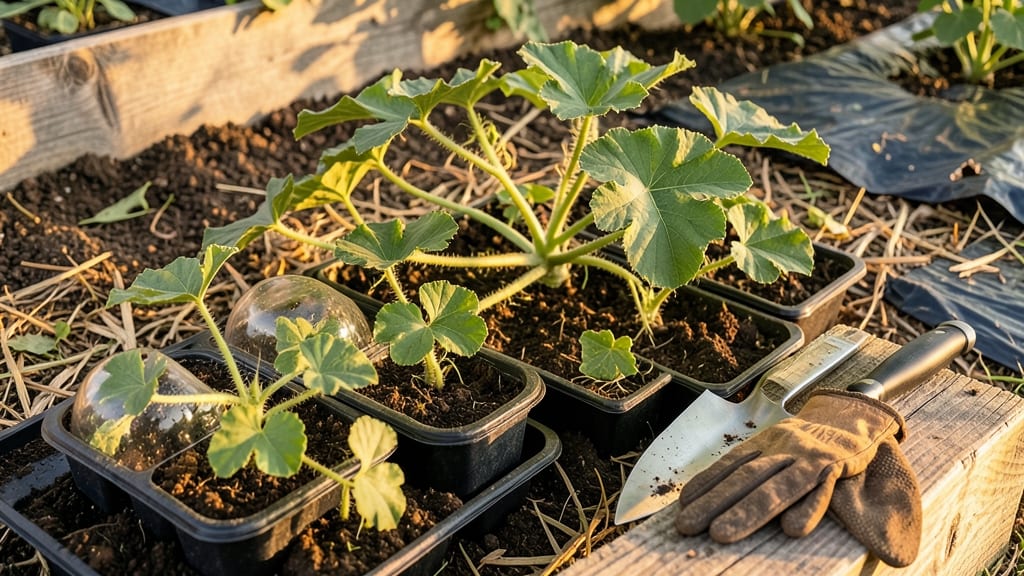
If you’ve ever planted watermelon in Florida only to watch your vines wilt under the heat or your fruit turn bitter before ripening, you’re not alone—timing is the game-changer between a bountiful harvest and disappointment.
Unlike other states, Florida’s frost-free zones (9a-11) let you grow watermelons year-round, but the key lies in aligning your planting with soil warmth and seasonal shifts.
Most Florida gardeners swear by two prime windows: spring (March-April) and fall (August-September), when temperatures hover in the 70–90°F range—ideal for germination and fruit development.
Plant too early, and your seedlings may struggle with cool soils; too late, and summer’s relentless sun can stress young plants before they bear fruit.
What sets Florida apart? Unlike northern growers waiting for the last frost, you’re racing against heat stress and pests instead. I’ll break down the exact months for your region—whether you’re in North Florida’s cooler pockets or South Florida’s tropical belt—and how to stretch your harvest with staggered plantings.
Ready to turn your garden into a 🍉 paradise? Let’s dive into the secrets for planting watermelons at the perfect moment—so you’re feasting on sweet, juicy fruit all season long.
Florida watermelon planting calendar: exact months by region (north vs. central vs. south)
Florida’s frost-free climate makes watermelon year-round cultivation possible, but regional temperature swings mean planting timing varies dramatically from the Panhandle to the Keys. Unlike northern states, you won’t wait for "last frost" – instead, you’ll focus on soil temperature and heat tolerance to avoid stunted growth or disease.
Let’s break down the ideal planting windows for Florida’s three distinct growing zones.
North Florida (USDA Zones 8a-9a) has cooler springs and occasional light freezes in inland areas. Central Florida (Zones 9a-9b) enjoys extended growing seasons, while South Florida (Zones 10a-11) can grow watermelons year-round with proper care.
Each region benefits from staggered plantings to extend harvests, but the critical factor is always soil temperature – watermelon seeds need soil at 70°F+ to germinate.
Here’s the exact planting calendar tailored to Florida’s microclimates, including adjustments for early vs. late varieties and how to handle Florida’s summer heat stress:
For North Florida gardeners, the spring window closes by April 15 – after that, daytime heat becomes too intense for seedlings. In Central Florida, you can push the envelope with late July plantings if you use drip irrigation and shade cloth during the hottest afternoons.
Meanwhile, South Florida growers have the luxury of planting year-round, though summer harvests (June-August) often suffer from pest pressure like cucumber beetles.
Regardless of region, staggered plantings every 2-3 weeks will give you a continuous harvest for 3-4 months. For example, if you plant March 1, March 15, and April 1 in Central Florida, you’ll have fruit ripening from May through July.
This technique also helps avoid bolting (premature flowering) caused by heat stress.
One common mistake Florida gardeners make is planting too early in hopes of an earlier harvest. Cool soil temperatures (below 65°F) delay germination and make seedlings vulnerable to damping-off disease.
Always wait until soil reaches 70°F+, even if air temperatures feel mild. Use black plastic mulch or clear plastic tunnels to warm the soil faster if needed.
In South Florida, where summer temperatures rarely drop below 80°F, watermelons can be planted year-round with proper irrigation. However, late summer plantings (August-September) often produce smaller fruit due to heat stress during flowering.
To mitigate this, choose heat-tolerant varieties like 'Charleston Gray' or 'Black Diamond' and provide afternoon shade for seedlings.
For North Florida growers, the fall window is shorter – plant by early August to ensure fruit matures before September’s humidity spikes, which increases fungal disease risk. Use raised beds with excellent drainage to prevent root rot during Florida’s wet summers.
In all regions, mulching with straw helps maintain even soil moisture and reduces weed competition, which is critical for watermelon’s shallow root system.
Remember: Florida’s humidity and heat mean watermelons need consistent moisture but hate soggy soil. The key to success is balancing irrigation with well-draining soil – aim for 1-2 inches of water per week, delivered in the early morning to prevent fungal issues.
With these region-specific timing guidelines, you’ll avoid the most common pitfalls and enjoy sweet, juicy watermelons for months.
How to time your watermelon planting for Florida’s heat tolerance & pest avoidance
Planting watermelons in Florida at the wrong time can turn your sweet dreams into bitter failures. Too early? Your seedlings will wilt under unpredictable spring rains and soil-borne diseases.
Too late? The intense summer heat can stress plants before they even fruit. The key is planting when soil temps hit 70°F+ and avoiding the peak pest season of June-August.
Florida’s tropical climate means watermelons grow year-round, but timing matters. Spring plantings (March-April) escape early season pests, while fall plantings (August-September) avoid the worst heat. The goal? Beat the cucumber beetles and squash bugs that thrive in warm, damp soil.
Here’s the science: Watermelon seeds need warm soil (70°F+) to germinate quickly. If planted too early, they’ll rot in cool, wet soil.
If planted too late, vines struggle in 100°F+ temps, leading to poor fruit set. Mulching with black plastic warms soil faster in spring, while shade cloth protects seedlings in fall.
🔍 Callout Warning 🔍
- Planting in May: Soil-borne diseases peak (e.g., Fusarium wilt).
- Planting in June: Cucumber beetles destroy seedlings in 48 hours.
- Planting in October: Hurricane season risks flooding and soil erosion.
Use row covers for early plantings and drip irrigation to keep soil moist without inviting pests.
For spring plantings, aim for mid-March to early April in North Florida, where cooler nights linger. In Central Florida, push to late February if using black plastic mulch. South Florida gardeners can plant as early as January, but watch for armyworm outbreaks in February.
Fall plantings should start late July to early August, giving vines time to establish before September rains. Use shade cloth (30-50%) to protect seedlings from intense afternoon sun while they germinate. Once vines hit 12 inches, remove the cloth to boost fruit production.
Pro tip: Stagger plantings every 2-3 weeks for a continuous harvest. For example, plant March 1, March 15, and April 1 for spring, then July 15, August 1, and August 15 for fall. This spreads out your harvest window and reduces pest pressure on any single batch.