
Plants
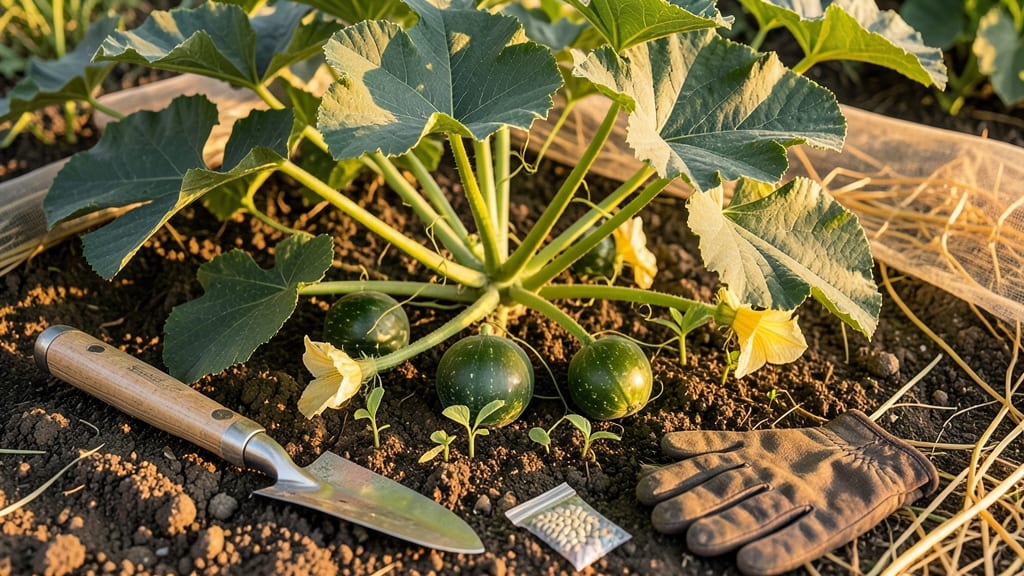
Planting watermelon seeds in California at the right time is the key to unlocking a bountiful summer harvest—because those juicy 🍉 slices won’t magically appear if you miss the window.
With 300+ frost-free days in zones 9b-10a, you’ve got flexibility, but timing still matters for fast germination and strong vines that thrive under California’s intense sun.
Most gardeners in the Golden State start watermelon seeds between February and March, but early January plantings work in warm microclimates like the San Joaquin Valley.
The secret? Waiting until soil hits 65°F (18°C)—any cooler, and your seeds will sulk in the dirt instead of sprouting within 7-10 days.
Here’s what you’ll discover: how to calculate your exact planting window using last frost dates (even though frost is rare), which varieties handle California’s heat best, and pro tips to avoid common pitfalls like slow germination or weak vines.
Let’s get those seeds in the ground at the perfect moment for a harvest that’ll make your summer taste sweeter than ever.
Whether you’re in coastal Santa Barbara or the inland Central Valley, we’ll break down the fastest, most reliable methods to ensure your watermelons beat the heat—and your neighbors’ envy. Ready to turn your patch of dirt into a 🍉 paradise?
California’s exact watermelon planting schedule by region (weeks before last frost)
California’s diverse climate means your watermelon planting window varies dramatically from coastal San Diego to the Central Valley. Unlike frost-sensitive regions, California’s USDA Zones 9b-10a eliminate frost risks—but soil temperature remains the critical factor for germination.
Watermelon seeds need consistent 70°F+ soil temps to sprout reliably, which typically arrives between mid-February and April, depending on your location.
For Northern California (Sacramento, Bay Area), aim for late March to early April planting, while Central Valley growers can start as early as mid-February. Southern California’s mild winters allow January plantings in protected microclimates, but coastal areas may wait until March to avoid chilly ocean breezes.
Let’s break down the exact planting timelines by region to maximize your harvest.
🌱
| Region | Last Frost Date | Optimal Planting Window | Soil Temp Requirement | Harvest Window |
|---|---|---|---|---|
| Northern CA (Sacramento, Bay Area) | N/A (minimal frost) | Late March - Early April | 70°F+ (consistent) | July - August |
| Central CA (San Joaquin Valley) | N/A (minimal frost) | Mid-February - March | 70°F+ (earlier in south) | June - September |
| Southern CA (Los Angeles, San Diego) | N/A (coastal chill) | January (protected) - March | 65°F+ (coastal areas) | May - August |
| Desert Regions (Palm Springs) | N/A (hot year-round) | February - April | 75°F+ (shade cloth needed) | April - July |
🌡️ Pro Tip: Use a soil thermometer to confirm temps before planting—cold soil delays germination by 10+ days.
While California’s frost-free status simplifies planning, microclimates create nuanced differences. For example, San Francisco’s coastal fog can delay soil warming by 2-3 weeks compared to inland areas.
If you’re in a high-elevation valley (like Fresno), plant 2 weeks later than coastal regions to avoid chilly night temps that stunt vines.
For container growing, adjust your timeline by 1-2 weeks earlier—pots warm up faster than garden beds. Place containers in south-facing spots and use black plastic mulch to raise soil temps by 5-10°F. This trick is especially useful for urban gardeners in Los Angeles where space is limited.
💧
Timing isn’t just about the calendar—it’s about soil readiness. Watermelons despise cold, wet soil, which causes seeds to rot before germinating. Test your soil’s moisture and temperature for 3 consecutive days before planting.
If temps dip below 65°F at night, wait another week. Central Valley growers often see faster germination in March because the soil retains heat longer than in February.
Another critical factor is day length. Watermelons thrive with 14+ hours of daylight, which typically arrives by late March in Northern CA and February in Southern CA. Planting too early means your vines will grow slowly and produce smaller fruit.
For a double harvest, stagger plantings: start with 50% of seeds in early March and the rest 2 weeks later.
🌿
Don’t overlook
How to calculate your perfect planting window for fast watermelon germination
Watermelon seeds need consistent soil temperatures of 70°F+ to germinate reliably. In California, this means waiting until late winter or early spring—typically February or March—but your exact timing depends on your local microclimate.
For example, Southern California (like San Diego) can start as early as January, while Northern California (like Sacramento) may need to wait until mid-March.
Use a soil thermometer to confirm readiness—plant only when the top 1–2 inches of soil hit 65°F (18°C) at 10 AM. Cold soil slows germination, leading to uneven sprouts or rot. If your soil is too cool, wait 1–2 weeks or use black plastic mulch to warm it faster.
| Stage | Action | Tools Needed |
|---|---|---|
| Soil Prep | Test soil temp at 10 AM; amend with compost for warmth. | Soil thermometer, compost |
| Planting | Sow seeds 1 inch deep, 3–4 feet apart in hills. | Seeds, trowel, mulch |
| Germination | Keep soil moist; expect sprouts in 7–10 days. | Watering can, shade cloth |
| Thinning | Remove weak seedlings; leave 2–3 strongest per hill. | Scissors, gloves |
🌱 Pro Tip: Use black plastic mulch to warm soil 5–10°F faster in cool regions.
If you’re unsure about your local frost dates, check the USDA Plant Hardiness Zone Map for your area. California spans zones 7–10, but frost risk varies wildly—even within cities. For example, Los Angeles rarely sees frost, while Sacramento can drop below 32°F in winter.
Use your last frost date as a baseline, then add 2–3 weeks to account for watermelon’s slow start.
For container gardening, plant seeds 4–6 weeks earlier than ground planting since pots warm faster. Place containers in a south-facing spot and use dark-colored pots to absorb heat. If nights are still chilly (below 50°F), cover seedlings with frost cloth until vines are established.
Slow germination? Your soil might be too cold or dry. To troubleshoot, soak seeds overnight before planting or use a seedling heat mat ($15–$25) to maintain 75–85°F soil temps. Avoid overwatering—soggy soil causes rot, while dry soil halts germination. Aim for consistently moist (not soaked) conditions until sprouts appear.
Once seeds sprout, thin seedlings to 2–3 per hill, leaving the strongest stems. This prevents overcrowding and ensures each plant gets enough sunlight and nutrients. Mulch around hills with straw or grass clippings to retain moisture and suppress weeds—critical in California’s dry summers.