
Plants
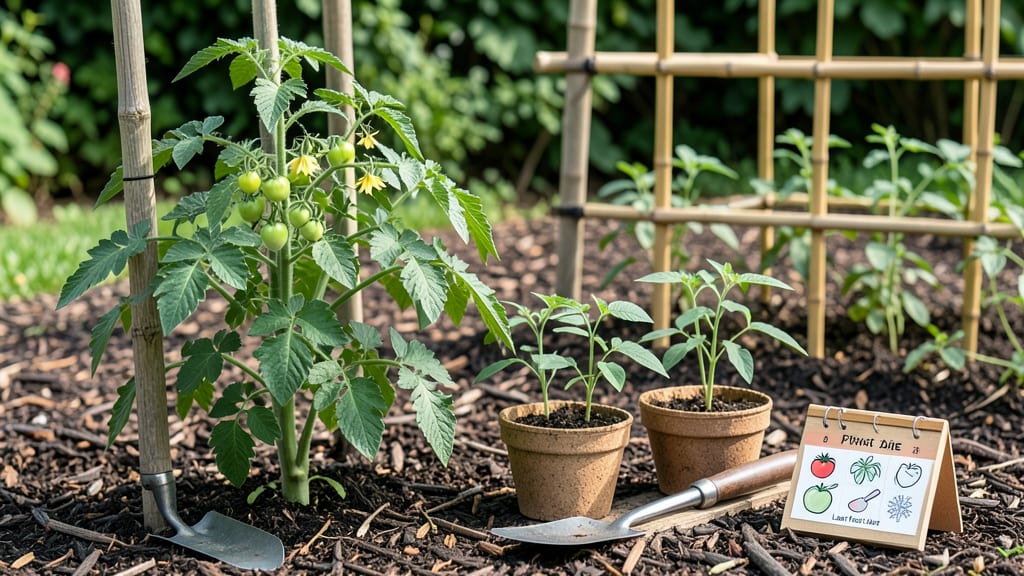
Planting your tomatoes in Illinois at the wrong time can turn your dream garden into a sad, frost-nipped memory—but getting the timing right means juicy, vine-ripened 🍅 harvests all summer long.
The key lies in knowing whether you're in northern Illinois, where frosts linger later, or the south, where warmer weather arrives weeks sooner.
Most gardeners in USDA Zones 5-6 wait until after the last frost date—typically April 15 to May 15—but that window shifts dramatically between Chicago and Carbondale. Early varieties can go in the ground sooner, while late-season plants need extra protection when nights stay chilly.
I’ll break down the exact planting schedule for your region, plus pro tips to extend your growing season if Mother Nature throws a curveball. Whether you’re a first-time gardener or a veteran green thumb, these strategies will help you avoid common mistakes and maximize your harvest.
Ready to turn your backyard into a tomato powerhouse? Let’s dive into the perfect timing for planting tomatoes in Illinois—so you can enjoy homegrown goodness from July through September.
Illinois tomato planting dates by region: southern vs northern frost zones explained
Getting your tomato planting timing right in Illinois means understanding the drastic differences between northern and southern regions. Illinois spans USDA Zones 4-6, where Chicago’s last frost can arrive weeks after southern Illinois cities like Carbondale.
Even a 10-day difference can mean the difference between a thriving harvest and frost damage.
Northern Illinois (Zones 5-6) typically has its average last frost between April 15-30, while southern Illinois (Zone 6) often sees frost-free conditions by April 1-15. These dates shift based on microclimates, so always check your local Almanac or CoCoRaHS data before planting.
To simplify, I’ve broken down the key planting windows for Illinois’ three main regions—Chicago, Springfield, and Carbondale—along with adjustments for early vs late varieties. This ensures you’re planting at the optimal time for your specific location.
| Region | USDA Zone | Avg. Last Frost | Indoor Seed Start | Outdoor Transplant | Notes |
|---|---|---|---|---|---|
| Northern IL (Chicago) | 5-6 | April 15-30 | March 1-15 | May 1-15 | Use row covers for late frosts |
| Central IL (Springfield) | 6 | April 1-15 | February 28-March 15 | April 20-May 5 | Soil warms faster; plant early |
| Southern IL (Carbondale) | 6-7 | March 20-April 5 | February 15-28 | April 1-May 1 | Longer growing season; try late varieties |
For northern Illinois gardeners, I recommend starting seeds indoors by March 1 to give transplants a head start before the May 1-15 outdoor window. In Chicago’s Zone 5, late frosts can still hit after April 30, so have row covers ready to protect seedlings.
Central Illinois, like Springfield (Zone 6), enjoys an earlier start. You can begin seeds as late as March 15 and transplant outdoors by April 20. The soil warms quickly here, making it ideal for early-maturing varieties like ‘Early Girl’ (55 days) or ‘Stupice’ (50 days).
Southern Illinois, including Carbondale (Zone 6-7), has the longest growing season. Start seeds by February 15 and transplant by April 1 to maximize harvests. This region can even support late-season varieties like ‘Brandywine’ (80+ days) if you plant early enough.
Always verify soil temperatures before transplanting—tomatoes need at least 60°F soil to thrive. Use a soil thermometer to check, especially in cooler springs. If temperatures dip below 50°F, delay planting to avoid blossom-end rot.
Pro tip: Track your local frost dates using the National Weather Service or Old Farmer’s Almanac. Illinois’ unpredictable spring weather means these averages can shift yearly—so stay flexible with your planting schedule!
How to adjust tomato planting for Illinois' unpredictable spring weather
Illinois springs are famous for their unpredictable temperature swings, with late frosts striking as late as May 15 in northern areas like Chicago. Even southern Illinois can see 50°F drops overnight in April, which can devastate young tomato seedlings in just hours.
The key to success? Flexible timing and protective strategies that shield your plants from Mother Nature's whims.
Start by monitoring your local frost-free date—not the average, but the historical late-frost date for your specific ZIP code. For example, Chicago's last frost often hits around May 10, while Carbondale typically sees its final frost by April 15.
Use the National Weather Service or Old Farmer's Almanac to track real-time conditions, and set up frost alerts on your phone.
🚨 Late Frost Warning
Never plant tomatoes outdoors before your last frost date, even if seedlings look healthy. A single 28°F night can kill young plants instantly. Use row covers or cold frames to buy time if you must plant early.
Pro Tip: If temperatures drop below 50°F after transplanting, cover plants with floating row covers or black plastic mulch to retain heat.
For gardeners in USDA Zones 5-6, consider staggered planting to spread risk. Start with early-maturing varieties (45-55 days) in late April, then transplant mid-season varieties (60-70 days) two weeks later. This ensures you’ll have tomatoes ripening in July even if late frosts delay the main crop.
In southern Illinois, you can even squeeze in a fall harvest by planting late-season varieties in August.
Another game-changer is soil warming. Tomatoes thrive when soil temperatures reach 60°F, which may not happen until mid-May in northern Illinois.
Use black plastic mulch or straw bales to warm the soil faster, or plant in raised beds, which heat up 2-3 weeks earlier than in-ground soil. For container growers, place pots in sunny, sheltered spots and use heat mats under seed trays.
If a late frost threatens after transplanting, act fast: cover plants immediately with frost cloth or old blankets secured with bricks or stakes. Remove covers during the day to allow sunlight, but leave them on at night for 3-5 days to stabilize soil temperatures.
Avoid plastic sheeting, which can trap too much heat and scorch leaves. After the danger passes, water deeply to help plants recover from stress.
For extended-season growing, try season extenders like low tunnels or hoop houses. These can push your harvest window 2-4 weeks later by trapping heat and protecting plants from light frosts. In northern Illinois, this might mean tomatoes ripening into early October instead of late August.
Just remember: Remove all plants before the first hard frost (below 25°F) to avoid soil-borne diseases overwintering.