
Flowers
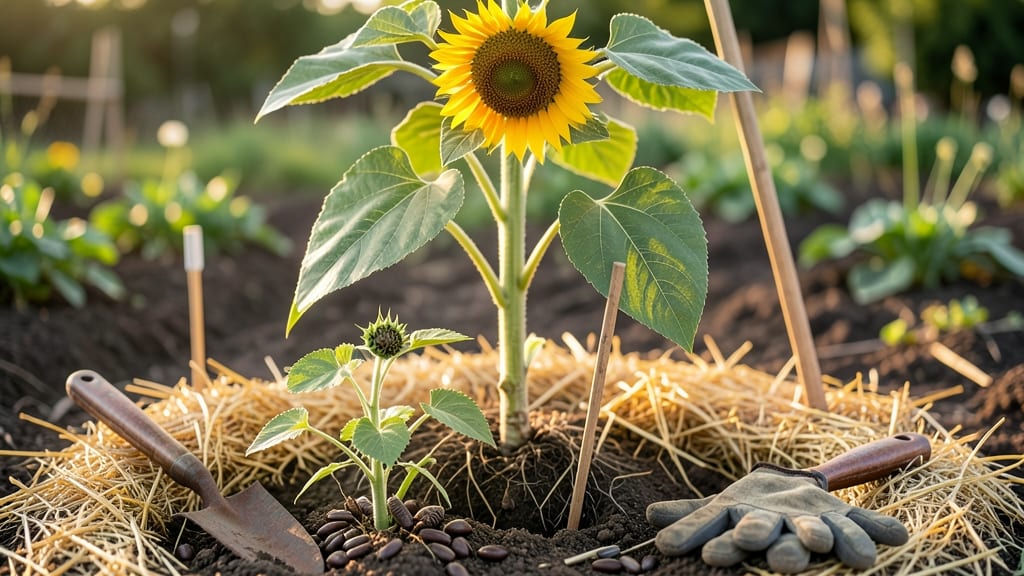
If you're dreaming of towering 🌻 sunflowers brightening your Oklahoma garden, timing your planting is the key to success. The right moment isn't just about the calendar—it's about your specific microclimate zone, soil warmth, and avoiding those pesky late frosts that can sneak up even in spring.
Oklahoma's USDA Zones 6a-7b give you a 180-210 day growing season, but that window shifts depending on whether you're in Oklahoma City, Tulsa, or the Panhandle. Planting too early risks frost damage, while waiting too long might leave you with stunted blooms by summer's end.
I'll break down exactly when to plant in your area—whether you're aiming for mid-April starts in southern Oklahoma or waiting until early June in the cooler Panhandle. You'll also discover how soil temperature plays a crucial role in germination and which sunflower varieties thrive best in Oklahoma's unpredictable weather.
Ready to grow sunflowers that reach their full potential? Let's dive into the precise planting schedule that will have your garden bursting with color from late July through October.
Oklahoma sunflower planting dates by microclimate Zone (2024 guide)
Oklahoma’s diverse climate—from the humid east to the arid Panhandle—means sunflower planting times vary dramatically. The last frost date isn’t the only factor; soil temperature (50°F+) and your specific USDA Zone (6a-7b) determine the best window.
In Oklahoma City (Zone 7a), for example, you’ll plant 2-3 weeks earlier than in the Panhandle (Zone 7b), where nights stay cooler longer.
For most of Oklahoma, mid-April to early June is ideal, but late March works in southern regions like Lawton (Zone 7b) if your soil warms quickly. Tulsa (Zone 7a) gardeners should wait until mid-April to avoid frost damage.
Always check your local Almanac’s frost forecast—Oklahoma’s last frost can swing from mid-March in the south to early April in the north.
🌱 Key Rule: Plant sunflowers after soil reaches 50°F and air temps stay above 55°F at night. Use a soil thermometer to confirm—cold soil delays germination. In Zone 6a (northwest OK), this often means waiting until late April, while Zone 7b (southeast OK) may be ready by early April.
If you’re in Zone 6a (northwest OK), like Enid or Woodward, push planting to late April to avoid late frosts. These areas have 150-180 frost-free days, so choose fast-maturing varieties (50-60 days) like ‘Moulin Rouge’ or ‘Teddy Bear’ to ensure blooms before first frost (mid-October).
In southern Oklahoma (Zone 7b), you can extend planting into early June for a fall harvest.
For container growing, start seeds indoors 4-6 weeks before your last frost date. Use biodegradable pots to transplant directly into the garden—this minimizes root disturbance. Direct-sowing is easier in Oklahoma’s warm soil, but indoor starts give you a 2-week head start in cooler zones like the Panhandle.
Pro tip: Test your soil’s warmth before planting. Press your hand into the soil—if it feels warm to the touch (like a hot cup of tea), it’s ready. Cold soil (below 50°F) causes seeds to rot.
In dry years, water your planting area 24 hours ahead to help seeds germinate faster.
Oklahoma’s summer heat can stress sunflowers if planted too late. Aim for blooms by mid-July to avoid heat stress during seed development. Succession plant every 2 weeks in May-June for continuous blooms through October. This works especially well for short-season varieties like ‘Autumn Beauty’ (55 days to maturity).
Remember: Sunflowers are resilient, but timing matters. Plant too early, and a late frost will kill seedlings. Plant too late, and your blooms may struggle in summer heat.
Use this guide as your Oklahoma planting calendar, then adjust based on your microclimate—your neighbor’s success might not match yours!
🌻
How to adjust sunflower planting for Oklahoma’s unpredictable weather
Oklahoma’s weather can be as unpredictable as a summer storm—one day it’s warm enough to plant, and the next, a late frost sneaks in. Sunflowers are hardy once established, but their early growth stage is vulnerable to cold snaps and drought.
The key is flexibility: adjust your planting timeline based on soil temperature, not just the calendar.
Most gardeners in Oklahoma aim for mid-April to early June planting, but if your soil stays cold (below 50°F), wait. Use a soil thermometer—sunflower seeds need warm soil to germinate.
If frost warnings linger, opt for succession planting in late May or early June for a second batch of blooms.
Another trick? Plant in raised beds or on black plastic mulch to warm the soil faster. This gives you a 2-3 week head start compared to planting directly into cool garden soil. Just be sure to remove mulch once sprouts emerge to prevent overheating.
⚠️ Watch for Late Frosts
The Panhandle’s last frost can occur as late as April 15, while southern Oklahoma may see frost into March 31. Use frost cloth for young seedlings if nighttime temps dip below 40°F.
Pro Tip: Plant taller varieties (like Mammoth) in June for fall blooms—they’ll mature faster in Oklahoma’s shorter season.
Drought is another Oklahoma wildcard. Once sunflowers are 3-4 inches tall, they tolerate dry spells, but seedlings need consistent moisture. Water deeply 2-3 times per week during dry spells, focusing on the soil—not the leaves—to prevent fungal diseases like powdery mildew.
For extended heatwaves (common in July-August), shade young plants with row covers or plant in partial shade until they’re established. Mature sunflowers handle heat well, but their roots need 6-12 inches of depth—amend clay soil with compost to improve drainage.
If you miss the spring window, don’t despair! Oklahoma’s short growing season (150-180 frost-free days) allows for late summer planting (early August) in southern zones. Choose fast-maturing varieties (like Autumn Beauty) for fall blooms.