
Plants
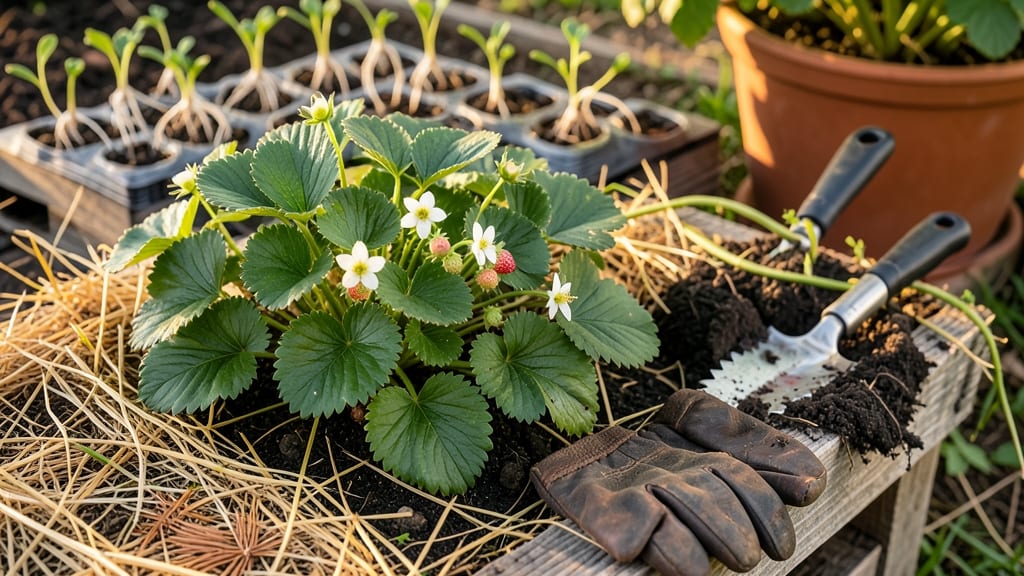
Knowing when to plant strawberries in Zone 7 can mean the difference between a bountiful harvest of sweet 🍓 berries and struggling plants that barely survive.
The mild winters and warm summers of Zone 7 create a perfect growing environment—but timing is absolutely critical for strong root development and fruit production.
Most gardeners in Zone 7 have two prime opportunities: early spring, just after the last frost date, or late summer for a fall planting that establishes roots before winter.
Both approaches work, but each has unique advantages depending on your local microclimate and variety. Let me show you exactly how to choose the right window for your garden.
What makes this timing so important? Strawberries need 60 to 90 days to establish roots and begin producing fruit, and getting that window wrong can leave your plants vulnerable to frost or heat stress.
I'll walk you through the ideal soil temperatures, frost risk factors, and how to adjust for your specific corner of Zone 7.
Whether you're a first-time grower or looking to refine your strawberry patch, these insights will help you plan for a harvest that stretches from late spring to early summer. Let's dive into the best strategies for your Zone 7 garden.

Best planting times for strawberries in Zone 7: spring vs fall breakdown
Zone 7 gardeners have two prime windows to plant strawberries: early spring and late summer. Each season offers unique advantages, but timing is critical to avoid frost damage or stunted growth.
In my experience, spring planting gives plants a full growing season to establish roots before summer heat arrives, while fall planting allows them to settle in before winter dormancy.
For spring planting, aim for 4-6 weeks before your last frost date (typically mid-March in Zone 7). This gives young plants time to develop strong roots before soil warms up.
Fall planting, on the other hand, should occur 6-8 weeks before the first frost (around late July to early August), ensuring roots establish before winter.
Soil temperature is a game-changer. Strawberries thrive when soil reaches 45-55°F—too cold, and roots struggle; too hot, and plants bolt prematurely. In Zone 7, spring soil warms quickly, so planting in March (when nights are still chilly) gives roots a head start without risking heat stress.
Microclimates matter! If you live in a warmer microclimate (like near a south-facing wall), you can push spring planting to late March or early April.
Conversely, cooler spots may need earlier March planting to avoid late frosts. Always check your local frost dates—your county extension office is a great resource.
Now, let’s compare the two approaches side by side to help you decide which works best for your garden.
| Factor | Spring Planting | Fall Planting |
|---|---|---|
| Planting Window | March-April | July-August |
| Soil Temperature | 45-55°F | 60-70°F |
| Root Establishment | 6-8 weeks before summer | 6-8 weeks before frost |
| Frost Risk | Low (after last frost) | Moderate (late frosts possible) |
| Harvest Window | First-year harvest possible | Next spring/summer |
| Best For | Quick first-year fruit | Established plants for years |
Spring-planted strawberries often produce fruit in their first year, while fall-planted berries focus on root and crown growth for a bigger harvest the following season. If you’re impatient for fruit, spring is your best bet. For long-term success, fall planting builds stronger plants that outperform year after year.
Here’s a pro tip: Combine both methods! Plant a few rows in spring for early fruit and others in fall for a longer harvest window the next year. Just be sure to space them properly—strawberries need 18-24 inches between plants to avoid crowding and disease.
One common mistake is planting too late in spring or too early in fall. Late spring plantings (after April) risk heat stress, while early fall plantings (before July) may not establish roots before frost. Always check your local frost dates—they can vary by 1-2 weeks even within Zone 7.
After planting, mulch heavily (3-4 inches of straw or pine needles) to protect roots from temperature swings. In spring, mulch keeps soil cool; in fall, it insulates against winter chill.
Water deeply 2-3 times per week until plants are established, and avoid wetting leaves to prevent fungal diseases like gray mold.
Remember, strawberries are perennial in Zone 7, meaning they’ll produce for 3-5 years if cared for properly. The key to long-term success? Timing your planting and giving them the right conditions to thrive from day one.
Best planting times for strawberries in Zone 7: spring vs fall breakdown
Zone 7 gardeners enjoy a unique advantage with strawberries—they can plant successfully in both early spring and late summer. The key lies in understanding your last frost date (around March 15) and soil temperature thresholds.
Spring planting gives berries a head start, while fall planting lets roots establish before winter chill.
For spring planting, aim for February to early April when soil reaches 40°F (4°C). This timing ensures roots wake up but avoids early frost damage. In contrast, fall planting (late July to August) allows 4-6 weeks of root growth before winter dormancy, making plants more resilient.
I recommend spring planting for beginners because it aligns with natural growth cycles. However, fall planting yields stronger plants that fruit earlier the following year. Both methods work beautifully in Zone 7’s climate, but spring planting gives you an immediate harvest in the same growing season.
One common mistake is planting too early in spring when soil is still cold. If you plant in January or early February, roots may struggle to establish before frost. Always check soil temperature with a soil thermometer—it’s your best friend for perfect timing.
For container gardening, adjust timing by 2-3 weeks earlier than in-ground planting. Containers warm up faster in spring and cool down quicker in fall, so monitor soil conditions closely. Use black plastic mulch to warm soil faster in early spring if needed.
Remember: June-bearing varieties planted in fall will produce their first harvest 6-8 weeks earlier than spring-planted ones. This is why many Zone 7 gardeners swear by fall planting for a jump-start on the season. 🍓