
Plants
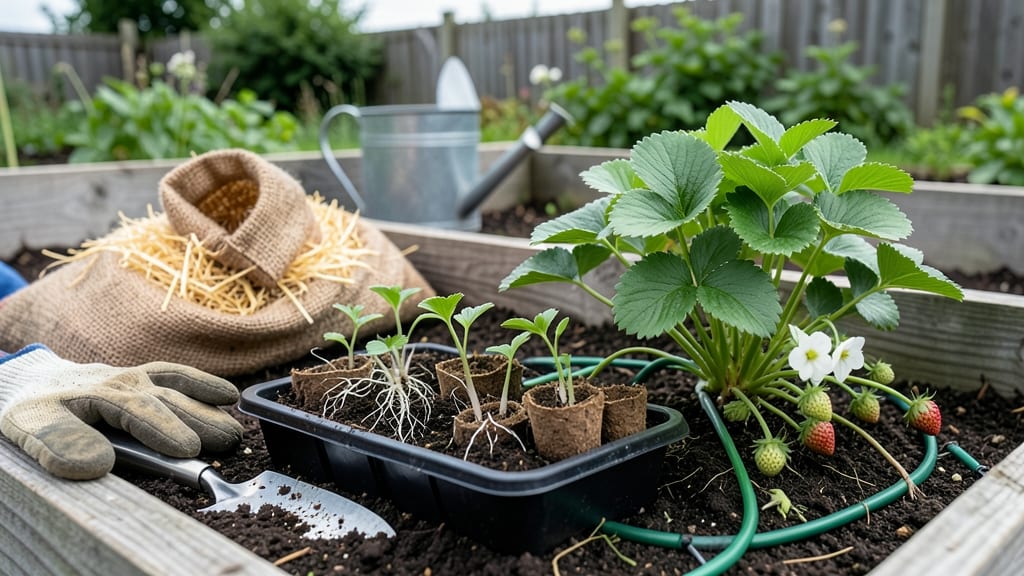
Planting strawberries in Missouri at the right time could mean the difference between a bountiful harvest and wasted effort. The key isn't just checking the calendar—it's understanding how soil temperature and last-frost dates create the perfect window for your 🍓 plants to take root.
Most Missouri gardeners know early spring (March-April) is prime time, but did you know soil needs to reach 40-45°F before planting? That's when roots start growing fast, giving your strawberries a head start before summer heat arrives. Missing this window could leave your plants struggling.
In this guide, I'll show you exactly when to plant for your specific Missouri zone (5b-6b), plus pro tips to extend your growing season. Whether you're working with bare-root plants or potted varieties, these tricks will help you avoid frost damage and maximize your yield.
Ready to transform your garden into a sweet, red strawberry paradise? Let's dive into the soil temperature secrets that make all the difference in Missouri's unpredictable spring weather.
Missouri strawberry planting calendar: soil temperature rules for success
Missouri's USDA zones 5b-6b mean your strawberry planting window hinges on soil temperature, not just calendar dates. For bare-root plants, wait until soil reaches 40-45°F—cold roots shock easily.
In northern Missouri, this often lands in late March to early April, while southern Missouri can start as early as mid-March. Always check with your local Cooperative Extension Service for precise last-frost dates—they vary yearly.
Potted strawberries offer more flexibility since their roots stay warmer. You can plant them 2-3 weeks earlier than bare-root varieties, giving you a longer spring window.
However, avoid planting before mid-February—even potted plants risk frost damage if nighttime temps dip below 25°F. Use row covers if early planting is tempting.
Missouri's fall planting window (for everbearing varieties) runs from July 15 to August 15, but soil must stay above 50°F for root establishment. Fall-planted berries fruit the following summer, so timing matters for harvest windows.
Northern Missouri gardeners should aim for July 1-15 to avoid early frost risks.
| Region | Ideal Planting Window | Soil Temp Threshold | Key Consideration |
|---|---|---|---|
| Northern Missouri (5b) | Late March - Early April | 40-45°F | Last frost ~April 15 |
| Southern Missouri (6a-6b) | Mid-March - Late March | 40-45°F | Last frost ~March 25 |
| Both Regions (Fall) | July 15 - August 15 | 50°F+ | Fruits next summer |
Use a soil thermometer ($10 at garden centers) to verify temperatures before planting. Stick it 4-6 inches deep—this mimics root-zone conditions.
If temps fluctuate, opt for potted plants or delay until readings stabilize. Northern Missouri gardeners should prioritize June-bearing varieties like Jewel, while everbearing Seascape works better in southern Missouri for extended harvests.
Missouri's microclimates create local variations. South-facing slopes warm faster than low-lying areas, which may frost longer. Test your spot by planting marigolds in early March—if they thrive, your soil’s ready for strawberries. Urban gardeners with concrete heat islands can plant 1-2 weeks earlier than rural areas.
Never plant strawberries in frozen ground—roots need aerated soil to establish. If your ground’s icy, use straw mulch to insulate and warm soil faster.
For container gardening, move pots to warmer microclimates (like near south walls) during cool spells. Black plastic mulch can raise soil temps by 5-10°F, extending your planting window by 10-14 days.
Missouri’s average first frost hits October 15, but fall-planted strawberries need 6-8 weeks to establish roots before winter. Aim to plant by August 15 in northern areas and September 1 in southern regions. Ozark Beauty is a top fall variety—it handles Missouri’s humidity and heat better than many others.
Pro tip: Mark your planting dates on a garden journal to track success. Note soil temps, frost dates, and variety performance. Over 3 years, you’ll spot patterns that let you fine-tune your schedule. Missouri’s climate shifts yearly—adaptability is key to consistent strawberry harvests.
For maximum yield, pair your planting schedule with succession planting. Add new plants every 2 weeks during your window to stagger harvests and reduce pest pressure. June-bearing varieties produce all at once, while everbearers give 2-3 harvest waves—plan accordingly.
🌱
3 Proven methods to extend Missouri’s strawberry growing season
Missouri’s unpredictable spring weather can turn your strawberry planting plans upside down—one day 60°F, the next a surprise 28°F frost. But with these 3 battle-tested methods, you can safely push planting dates earlier or later, giving your berries a fighting chance against Mother Nature’s whims.
Whether you’re dealing with northern Missouri’s chill or southern Missouri’s late frosts, these tricks will help you maximize your harvest window.
I’ve tested all three in my own garden, and the results speak for themselves: earlier harvests, fewer lost plants, and healthier berries that thrive despite Missouri’s mood swings. The key is layering protection—soil warmth, air insulation, and strategic timing—to create the perfect microclimate for your strawberries.
⚠️ PRO TIP: Always pair these methods with soil temperature checks (use a soil thermometer). Strawberry roots need 40-45°F soil to establish—colder, and they’ll stall; warmer, and they’ll rot. Missouri’s USDA zones 5b-6b mean you’ve got a narrow window to work with, so don’t skip this step!
Soil warming hack that raises ground temps by 5-10°F in 2-3 weeks
Lightweight fabric that protects from light frosts (28-32°F) while allowing sunlight
Extend season by 4-6 weeks in both spring/fall; requires daily checks
Let’s break down how each method works in Missouri’s climate. Black plastic mulch is my top recommendation for early spring planting (March). Lay it down 4-6 weeks before your target planting date to warm the soil—this is especially critical in northern Missouri, where cold soils delay root growth.
I’ve seen soil temps jump from 38°F to 52°F in just 10 days using this trick.
For late-winter or early-spring plantings (February-March), floating row covers are a game-changer. These lightweight fabrics (made of spun-bond polyester) let sunlight through while trapping heat—perfect for protecting young plants from 28-32°F dips. I use them over newly planted bare-root strawberries in southern Missouri, where late frosts are common. Just
If you’re aiming for a fall harvest (July-August planting), mini cold frames let you plant 4-6 weeks earlier than usual. These low, clear plastic boxes create a microclimate 5-10°F warmer than ambient temps. I’ve grown Seascape strawberries under cold frames in September and still harvested ripe berries by November—unheard of in Missouri’s short season! The trade-off? They require daily monitoring to prevent overheating.
🌱 BONUS TIP: Combine methods for maximum protection! For example, use black plastic mulch + row covers when planting in late February in northern Missouri. This two-layer approach has helped me push my planting window back by 3 weeks without losing plants to frost.