
Plants
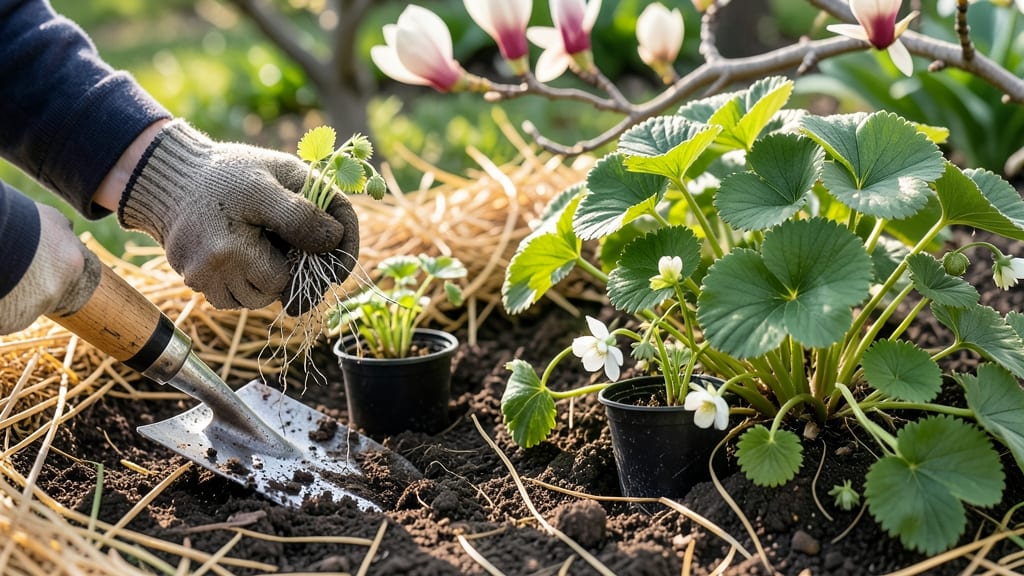
Planting strawberries in Louisiana isn’t just about timing—it’s about outsmarting the heat and humidity to get those sweet, juicy 🍓 berries you crave. If you’ve ever watched your plants wilt under the summer sun or struggled with moldy leaves, you know the stakes are high.
The secret lies in planting at the right moment, when the soil is warm but the air stays cool enough to prevent stress.
Most gardeners in USDA Zones 8-9 swear by late fall or early spring as the ideal windows, but Louisiana’s long growing season lets you stretch your luck—with the right tricks.
Whether you’re a first-timer or a seasoned gardener, knowing when to plant can mean the difference between a handful of berries and a bountiful harvest that lasts all summer.
Here’s the game-changer: mulching with straw (yes, the same name as your crop!) and choosing heat-tolerant varieties like Chandler can extend your growing window by weeks.
I’ll walk you through the exact steps to prep your soil, protect your plants, and avoid the common pitfalls that trip up even the most eager gardeners.
Ready to turn your Louisiana garden into a strawberry powerhouse? Let’s dive into the best months, soil secrets, and maintenance hacks that will have your plants thriving—even when the thermometer climbs.
Louisiana planting zones: best months for strawberries by heat Zone
Louisiana’s USDA Zones 8-9 offer a unique advantage for strawberry growers: a longer growing season. But with humidity levels that can push 90°F+ in summer, timing your plantings is critical. The key is to avoid peak heat stress while maximizing cool-season growth.
Most gardeners in Louisiana plant strawberries in late fall or early spring, but the exact window depends on your specific zone and variety.
For Zone 8 (northern Louisiana), aim to plant bare-root strawberries between November 15 and December 15. This gives roots time to establish before spring warmth triggers blooming. In Zone 9 (southern Louisiana), shift your timeline slightly earlier: October 15 to November 15.
These dates align with cooler temperatures and reduce the risk of heat-induced bolting.
If you prefer potted transplants, your window expands slightly. Plant them 4-6 weeks before your average last frost date—typically mid-February to early March in Zone 8 and January to mid-February in Zone 9.
This gives plants a head start before soil temperatures rise above 70°F, which can stunt growth.
Here’s the golden rule: Soil temperature matters more than calendar dates. Strawberries thrive when soil stays between 50°F and 65°F. Use a soil thermometer to confirm readiness—if it’s warmer, wait.
In Louisiana’s heat, delaying planting by a few weeks can mean the difference between flourishing plants and wilting failures.
| Zone | Best Planting Window | Soil Temp Goal | Variety Recommendation |
|---|---|---|---|
| Zone 8 (North LA) | Nov 15 - Dec 15 (bare-root) or Feb 15 - Mar 1 (potted) | 50°F - 65°F | Chandler, Camarosa, Fortuna |
| Zone 9 (South LA) | Oct 15 - Nov 15 (bare-root) or Jan 1 - Feb 15 (potted) | 50°F - 65°F | Seascape, Sweet Charlie, Toyonoka |
| Both Zones | Avoid planting after March 15 (risk of heat stress) | Never above 70°F | Day-neutral varieties for extended harvests |
Louisiana’s humidity and summer heat can turn strawberry beds into a battleground. To succeed, focus on soil preparation before planting. Louisiana’s clay-heavy soils drain poorly, so amend with 2-3 inches of compost and sand to improve aeration.
Aim for a pH between 5.5 and 6.8—test your soil and adjust with lime (to raise pH) or sulfur (to lower pH) if needed.
For bare-root plants, soak roots in water for 1-2 hours before planting to reduce transplant shock. Space rows 18-24 inches apart and plants 12-18 inches apart to allow airflow and minimize fungal diseases like gray mold, which thrives in Louisiana’s damp conditions.
After planting, apply a 2-3 inch layer of mulch (straw or pine needles work well) to retain moisture and suppress weeds.
One Louisiana-specific hack is to use drip irrigation instead of overhead watering. This keeps foliage dry, reducing disease pressure from fungi like Botrytis. Water early in the morning to allow leaves to dry quickly.
If you’re planting in late fall, consider a lightweight row cover to protect young plants from unpredictable cold snaps, which can dip below 30°F in northern Louisiana.
Remember, timing isn’t just about months—it’s about microclimates. If you live in a warmer microclimate (like near the Gulf Coast), you might push planting to early December. Conversely, in cooler inland areas, January plantings may work better. Always monitor weather forecasts and adjust your schedule accordingly.
Finally, choose the right varieties for Louisiana’s climate. June-bearing types like Chandler produce a single massive crop but struggle in summer heat. Day-neutral varieties like Seascape or Sweet Charlie offer extended harvests and tolerate heat better. For year-round production, mix both types in your garden.
Louisiana planting zones: best months for strawberries by heat Zone
Louisiana’s USDA Zones 8-9 create a unique challenge for strawberry growers—too much heat can send plants into early dormancy. The key is planting when soil temperatures hover between 60-70°F but before summer’s brutal humidity peaks.
For most of the state, this means late winter to early spring (February-March) for bare-root plants or fall (September-October) for potted varieties.
Northern Louisiana (Zone 8) has slightly cooler winters, allowing for January-February plantings, while southern areas (Zone 9) should wait until February-March to avoid heat stress. Everbearing varieties like Chandler thrive in these windows, while June-bearing types need precise timing to avoid summer bolting.
| Zone | Best Planting Window | Soil Temp Goal | Variety Recommendation |
|---|---|---|---|
| 8 (North) | Jan-Feb (bare-root) or Sep-Oct (potted) | 60-70°F | Chandler, Ozark Beauty |
| 9 (South) | Feb-Mar (bare-root) or Oct-Nov (potted) | 65-75°F | Camarosa, Sweet Charlie |
For bare-root plants, soak roots for 2-3 hours before planting to combat Louisiana’s dry spells. Space rows 18-24 inches apart and use straw mulch immediately to retain moisture—critical in our 90°F+ summers. Plant crowns just above soil level to prevent rot from humidity.
Fall plantings (September-October) work best for potted varieties like Albionel, which establish roots before winter. Harden off plants for 7-10 days before transplanting to avoid shock from Louisiana’s sudden temperature swings. Always test soil pH (aim for 5.8-6.5)—our acidic soils often need lime amendments.
Pro tip: Use shade cloth (30%) during peak summer months to protect established plants. This simple trick extends the season by 4-6 weeks in southern Louisiana’s Zone 9 heat. Monitor for spider mites—a common pest when humidity spikes above 80%.
Timing isn’t just about months—it’s about soil temperature. Use a soil thermometer to confirm readiness. Plant when temps stay above 60°F day/night for 5 consecutive days. This ensures strong root establishment before summer’s relentless sun arrives.