
Plants
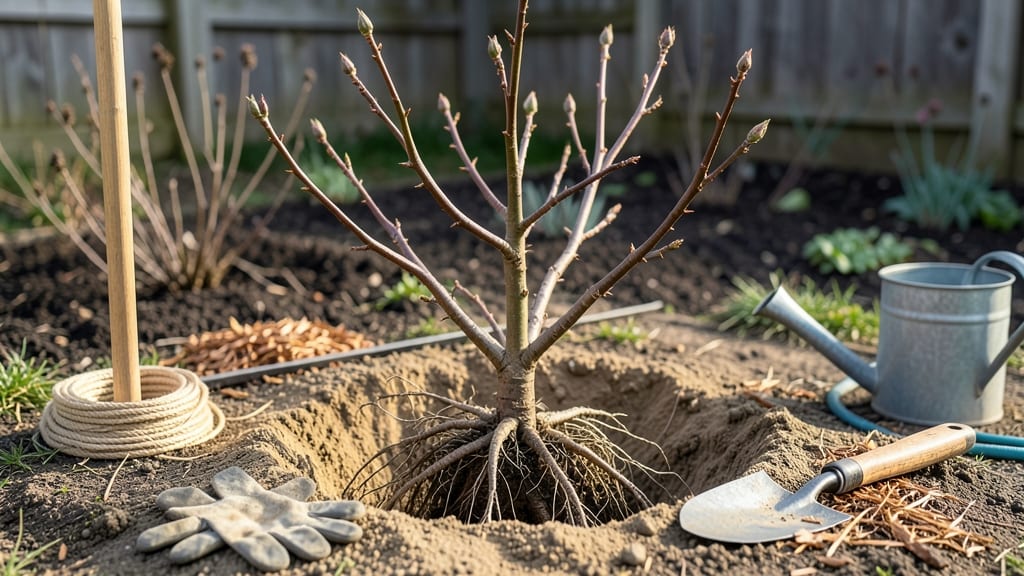
Planting roses in Texas at the wrong time can mean wilting before they even bloom—summer heat is brutal, but timing your roses right ensures they thrive despite the climate.
If you've ever watched your 🌹 roses struggle under Texas sun, you know the stakes. The key is planting when roots can establish before summer's scorching temperatures take over.
For North Texas gardeners in zones 8a-9a, November through March offers the perfect window, while South Texas gardeners in 9b-10b can plant year-round with proper care.
This isn't just about avoiding heat stress—it's about giving your roses the best chance to grow strong before summer arrives. I'll walk you through the exact months that work best for your region, plus soil prep tips to help them survive Texas's extreme conditions.
Whether you're planting bare-root roses or container-grown varieties, understanding these timing strategies will save you from disappointed blooms. Let's get your Texas roses off to the right start.
Texas heat zones: best planting months by region for rose success
Texas stretches across USDA Hardiness Zones 8a-10b, meaning your rose planting window depends heavily on where you live. In North Texas (Zones 8a-9a), like Dallas or Fort Worth, you’ll want to plant before the summer heat peaks—typically between November and March.
Meanwhile, in South Texas (Zones 9b-10b), like San Antonio or Houston, you can plant year-round with minimal stress, though late fall and winter remain ideal for best root establishment.
The key is avoiding soil temperatures above 70°F, which stress young roots. In North Texas, wait until soil cools after summer—usually by mid-October—while South Texas gardeners can plant bare-root roses even in mild winters.
Container-grown roses offer more flexibility but still thrive best when planted in cooler months.
Here’s how Texas’ three distinct regions break down for optimal rose planting:
For bare-root roses, North Texas gardeners should plant by mid-March to give roots time to establish before summer. In Central Texas, aim for early April to avoid the brutal May heat.
South Texas gardeners can plant container-grown roses in any month, but late fall (October–November) still offers the best balance of cool soil and minimal pests.
Pro tip: Check your local first frost date—North Texas averages November 15, while South Texas rarely sees frost. Planting 6–8 weeks before your last frost gives roots time to anchor before spring growth spikes. In warmer zones, focus on soil moisture rather than frost dates.
If you’re in Zone 10b (South Texas), you can even plant new roses in summer, but provide extra shade and daily watering to protect roots. The trade-off? Slower initial growth compared to cooler-season plantings. For most Texas gardeners, fall planting wins for blooms the following spring.
Remember: Container-grown roses adapt better to heat than bare-root varieties. If you’re planting in April or May, choose potted roses and water deeply every 2–3 days for the first month. Mulch heavily to retain moisture and shield roots from Texas’ intense sun.
Finally, avoid planting after Memorial Day in North/Central Texas—soil temps often exceed 80°F, causing root burn. South Texas gardeners can push this to June, but expect stress signs like yellowing leaves if roots can’t cool down.
🌹
How to prepare rose beds in Texas before planting for heat resistance
Texas summers are unforgiving for roses—proper soil preparation is your first line of defense against heat stress. Start by testing your soil pH (ideal: 6.0-6.5 for roses) and amending it with organic matter like compost or aged manure. This improves drainage and water retention, critical for Texas clay soils.
Before planting, loosen the soil to a depth of 12-18 inches to encourage deep root growth. Mix in sand or perlite if your soil drains poorly—waterlogged roots invite fungal diseases like black spot.
For extra insulation, add a 2-3 inch layer of mulch (pine bark or straw) to shield roots from extreme temperatures.
🌱 Step-by-Step Texas Rose Bed Prep
- 🔧 Test soil (pH 6.0-6.5, drain test)
- 🌿 Amend soil (compost + sand/perlite if needed)
- ✂️ Loosen soil (12-18" depth for roots)
- 💧 Install drip irrigation (avoid overhead watering)
- 🌳 Add mulch (2-3" layer, keep 2" from stem)
Texas’s intense sun demands shade protection for newly planted roses. Install temporary shade cloth (30-50%) during peak summer months (June-August) to reduce stress. Pair this with deep watering schedules: water deeply 2-3 times per week (1-1.5 gallons per plant) in the early morning to prevent evaporation.
For bare-root roses, soak roots in water for 1-2 hours before planting to rehydrate. Dig a hole twice as wide as the root ball but no deeper—this prevents root suffocation and encourages outward growth.
Gently spread roots and backfill with native soil mixed with compost, tamping lightly to eliminate air pockets.
After planting, stake tall varieties immediately to prevent wind damage, especially in North Texas where spring storms are common. Apply a balanced fertilizer (5-10-5) lightly at planting time—too much nitrogen now can burn tender roots. Prune back any damaged stems by 1/3 to redirect energy into root establishment.
Finally, monitor your roses for transplant shock (wilted leaves, yellowing) and adjust care accordingly. In South Texas (zones 9b-10b), where winters are mild, you can plant year-round—but always avoid peak summer heat (May-September) when soil temps exceed 85°F.
With these prep steps, your roses will establish strong roots before Texas’s brutal summers hit—setting them up for vibrant blooms all season. 🌹