Plants
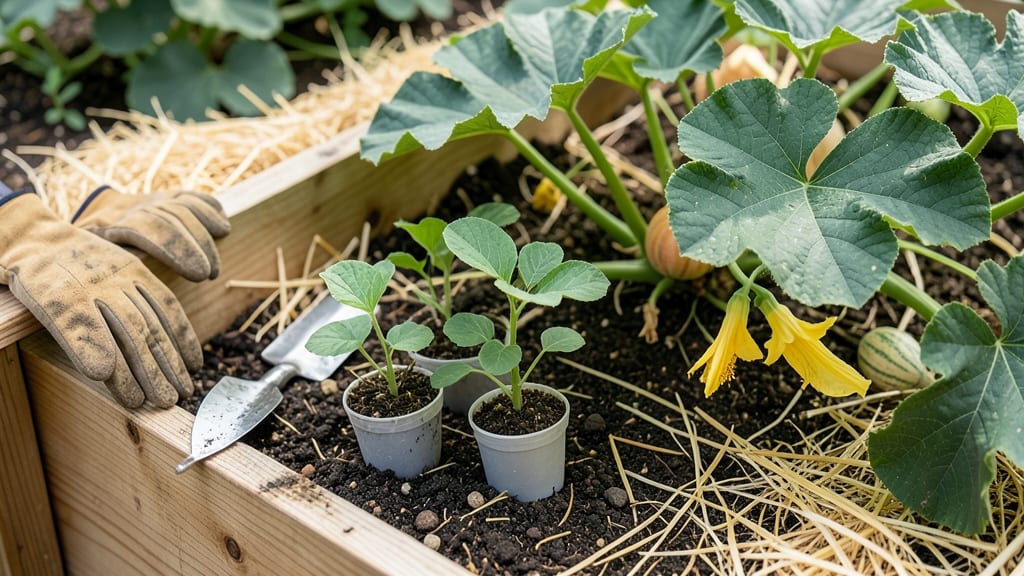
Timing your pumpkin 🎃 planting in Oregon isn't just about the calendar—it's about dodging frost traps that can ruin your harvest before it even starts.
The late April to early June window exists for a reason: coastal areas like Tillamook have different frost risks than inland zones like Bend, where nights can still dip dangerously low. Get this wrong, and you might spend September watching your vines wither instead of celebrating a bountiful harvest.
I’ve grown pumpkins in Oregon’s 7b-9a zones for years, and the difference between a thriving patch and a failed experiment often comes down to one week’s timing.
Whether you’re a first-time gardener or a seasoned grower, knowing when to plant—whether you’re direct-sowing seeds or transplanting seedlings—can mean the difference between a 30-pound jack-o’-lantern and a sad, shriveled disappointment.
In this guide, I’ll break down the exact planting dates for your county, including how to adjust for Oregon’s microclimates. We’ll cover everything from soil temperature tricks to the best pumpkin varieties that actually thrive in 150-210 frost-free days.
No more guessing—just proven strategies to ensure your pumpkins grow strong, healthy, and ready for harvest by October.
Ready to skip the trial-and-error and plant with confidence? Let’s get your pumpkins in the ground at the perfect moment—because in Oregon, timing isn’t just important. It’s everything.
Oregon county-specific pumpkin planting dates by hardiness zone
Oregon’s USDA hardiness zones 5-9 create dramatic differences in pumpkin planting success. In coastal zones (8-9) like Tillamook or Astoria, you can plant as early as late March—but inland areas like Bend (zone 6) or La Grande (zone 7) need to wait until mid-May to avoid frost damage.
Let’s break down the exact windows for your county.
For Portland and the Willamette Valley (zone 8), aim for April 15-May 1 after the last frost date. Medford and southern Oregon (zone 9) can start earlier, around March 20-April 10, while high desert regions (zone 6-7) like Prineville should wait until May 10-20 to ensure soil warmth.
🎃
| Region | USDA Zone | Last Frost Date | Planting Window | Soil Temp |
|---|---|---|---|---|
| Coastal (Astoria, Tillamook) | 8-9 | Late March | Late March - April 15 | 60°F+ |
| Portland/Willamette Valley | 8 | Mid-April | April 15 - May 1 | 65°F+ |
| Bend/High Desert | 6-7 | Mid-May | May 10 - June 1 | 70°F+ |
| Medford/Southern Oregon | 9 | Early April | March 20 - April 10 | 60°F+ |
| Eastern Oregon (La Grande) | 7 | Late April | May 1 - May 15 | 68°F+ |
Always check your local frost dates—even within zones, microclimates matter. For example, Mount Hood’s foothills (zone 6) can be 2-3 weeks later than Portland’s urban heat islands. Use black plastic mulch or row covers to warm soil faster in colder zones.
For early varieties (75-90 days) like ‘Jack Be Little’, plant by April 15 in most zones. Heirloom varieties (100+ days) such as ‘Howden’ need May 1-June 1 planting to mature before frost. Adjust based on your harvest goals—fall festivals or winter storage.
🌱
Pro tip: Test soil temperature with a soil thermometer. Pumpkin seeds need 60°F+ soil to germinate—cooler soils delay sprouting. If your soil is below 55°F, wait another week or use seedling trays indoors for 2-3 weeks before transplanting.
In coastal areas, watch for excess moisture—pumpkins hate soggy roots. Amend soil with compost and sand to improve drainage. Inland zones often need extra irrigation during summer dry spells, so plan for drip lines if rainfall is unreliable.
💧
Remember: Oregon’s first frost typically hits Mid-October in coastal areas but can arrive as early as
How to adjust pumpkin planting for Oregon’s microclimates and soil conditions
Oregon’s microclimates can throw off even the most experienced gardener. Coastal areas like Tillamook County stay damp and cool longer, while High Desert regions like Bend experience rapid temperature swings. To succeed, I’ve learned to adjust planting strategies based on these conditions—especially in wet, cold, or high-elevation zones.
For example, in Zone 7b (e.g., Eugene), where spring soils stay chilly, I wait until mid-May to plant seeds outdoors. In Zone 9a (e.g., Medford), I can start as early as late April thanks to warmer nights.
The key is matching your soil temperature to the seed’s germination needs—pumpkin seeds need soil at 70°F or warmer to sprout reliably.
Cold, wet soils in coastal Oregon or high-elevation areas can cause seeds to rot before germinating. Even if frost dates suggest it’s safe, soil temperature is the real indicator. Use a soil thermometer—wait until it hits 65°F+ for at least a week.
One of my biggest mistakes was planting Jack Be Little pumpkins in Bend (Zone 6a) too early. The seeds sprouted, but the young plants wilted under 30°F nighttime temps in early May.
Now, I use black plastic mulch to warm the soil faster and row covers for the first 2 weeks to protect seedlings from unexpected chills.
For disease-prone areas like the Willamette Valley, where humidity fuels powdery mildew, I choose resistant varieties like ‘Howden’ and space plants 6 feet apart for airflow. In drier zones like Harney County, I focus on drought-tolerant types like ‘Cinderella’ and mulch heavily to retain moisture.
Another trick I’ve adopted is hill planting. Mounding soil 12 inches high warms the roots faster and improves drainage—critical in Oregon’s clay-heavy soils. I also add composted manure to the base of hills to boost fertility without overfeeding, which can lead to blossom-end rot in pumpkins.
If you’re in a short-season zone (like Zone 5 in Eastern Oregon), opt for fast-maturing varieties (75-90 days) and start seeds indoors 3-4 weeks before the last frost. For longer seasons (like Zone 9), you can even plant a second crop in July for a fall harvest.
Just be prepared to harvest before the first frost, which in Medford can arrive as early as mid-October.