
Plants
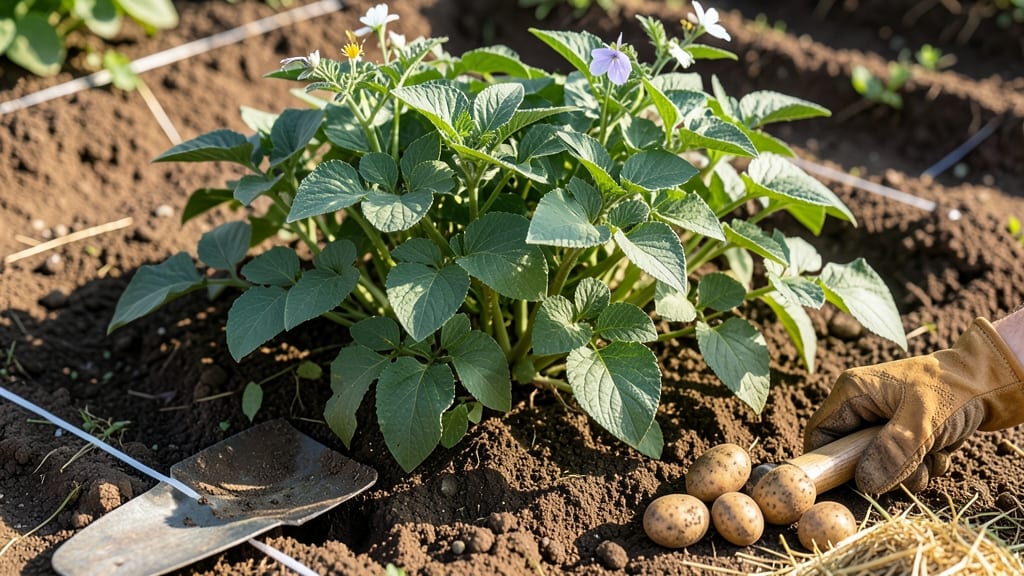
Planting potatoes at the wrong time in Pennsylvania can mean the difference between a bountiful harvest of crisp, golden 🥔 and a wasted season of frost-nipped sprouts.
The exact window—just 4-6 weeks before your last frost date—isn’t just a guess; it’s a science-backed strategy that accounts for Pennsylvania’s 5b-7a zones and unpredictable spring weather.
If you’ve ever wondered why some gardeners swear by early March plantings while others wait until April, the answer lies in soil temperature, frost risk, and your specific microclimate. Whether you’re in Pittsburgh’s cooler Zone 5b or Philadelphia’s slightly warmer Zone 7a, timing matters more than you think.
Let’s break down the precise schedule that’ll give you the edge this growing season.
Most gardeners make one of two mistakes: planting too early and risking frost damage, or waiting too late and sacrificing yield. The solution? A flexible timeline that adapts to Pennsylvania’s 150-200 frost-free days and regional variations.
I’ll show you how to calculate your exact planting window—and why seed potatoes should hit the soil when temperatures hit 45°F or warmer.
Ready to transform your potato patch from a gamble into a guaranteed harvest? By the end of this guide, you’ll know not just when to plant, but how to adjust for Pennsylvania’s quirks—like sudden cold snaps or extended wet springs—to ensure your 🥔 thrive from sprout to harvest.
Pennsylvania’s ideal potato planting timeline by last frost date
Pennsylvania’s USDA hardiness zones 5b-7a create a 4-6 week window for planting potatoes before the last spring frost, typically around April 15 but varying by region. For Pittsburgh (Zone 6a), aim for March 20-April 5, while Philadelphia (Zone 7a) can start as late as April 10-25.
Rural areas in Zone 5b should plant 2-3 weeks earlier to account for colder microclimates.
NOAA frost-free probability data shows 80% confidence of no frost by May 1 in most of PA, but soil temperature is the real trigger—wait until it consistently reaches 45°F+ at 6-inch depth. A soil thermometer is your best tool to avoid planting in cold, wet soil that stunts growth.
Early varieties like Yukon Gold (90-day harvest) can handle earlier planting, while Russet Burbank (120-day harvest) need the full window. Seed potatoes should be chitted (sprouted) 4-6 weeks before planting to jumpstart growth in PA’s cool springs.
Here’s how your last frost date determines planting windows across PA:
For extended-season growers, consider a late summer planting (July) for fall harvests before first frost. Use early-maturing varieties like Red LaSoda (70 days) to beat autumn frosts. Monitor Penn State Extension’s frost alerts for real-time adjustments.
Pro tip: Plant test rows 2 weeks apart to hedge against late frosts. If your main planting gets hit, the backup will save your harvest. Mulch with straw or grass clippings to protect emerging sprouts from 32°F+ temperatures.
Remember, Pennsylvania’s microclimates can vary by 1-2 weeks even within counties. Check your local weather station for frost probability maps—they’re more accurate than general zone guidelines.
Once planted, consistent moisture is critical. Aim for 1-2 inches of water weekly, especially during tuber formation (6-8 weeks after planting). Use a drip irrigation system to avoid wetting foliage, reducing blight risk.
For container growers, start 4-6 weeks earlier (late February) since pots warm faster. Choose 5-gallon buckets with drainage holes and fill with light, airy potting mix—potatoes hate soggy soil.
🥔
Pennsylvania’s ideal potato planting timeline by last frost date
Timing your potato planting in Pennsylvania hinges on two critical factors: last frost dates and soil temperature. Most of the state falls within USDA Zones 5b-7a, where the average last frost occurs between April 15 and May 1.
For a 90% frost-free probability, aim to plant seed potatoes 4-6 weeks before your local last frost date.
In Pittsburgh (Zone 6a), this typically means planting between late March and early April, while Philadelphia (Zone 7a) gardeners can start as early as mid-March. Rural areas with cooler microclimates may need to wait until mid-April to avoid frost damage to emerging sprouts.
Soil temperature is equally important—potatoes won’t sprout until the ground reaches 45°F (7°C). Use a soil thermometer to confirm readiness, especially in northern PA, where cold snaps can delay warming. Warmer southern regions like Lancaster County may hit this threshold by early March.
For gardeners in Zone 5b, like those in the Poconos, consider using row covers or cold frames to extend your planting window. These tools can protect tender sprouts from late frosts, allowing you to plant as early as mid-March even in cooler areas.
If you’re unsure about your local last frost date, check the NOAA Climate Data for your county or use the Penn State Extension’s frost probability calculator. Planting too early risks frost damage, while waiting too long may reduce your harvest window—especially for longer-season varieties like Russet Burbank.
Pro tip: Start seed potatoes indoors in biodegradable pots 4-6 weeks before your target outdoor planting date. This gives you a 2-week head start and helps avoid delays caused by unpredictable spring weather. Just be sure to harden off seedlings before transplanting!