
Plants
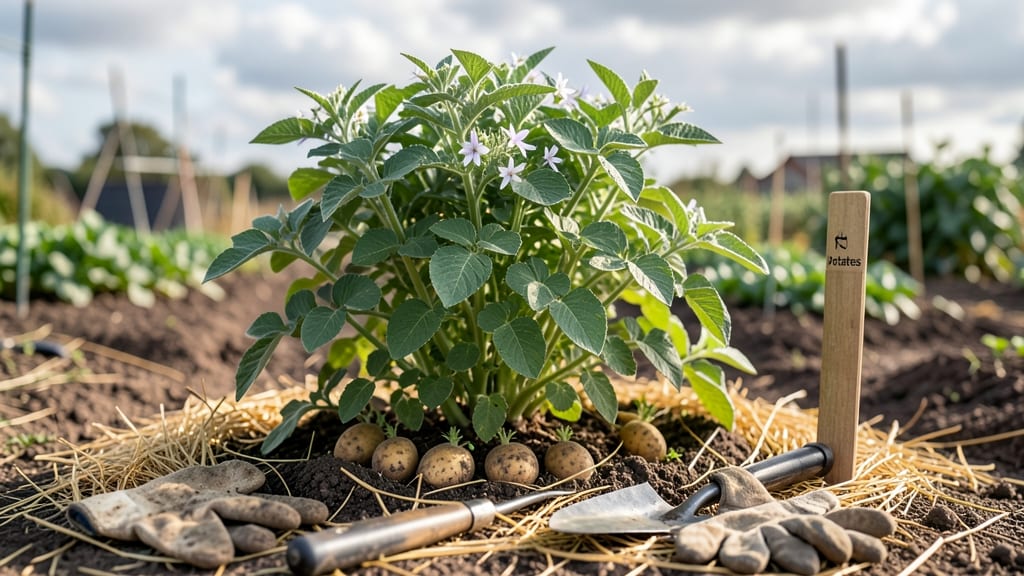
Planting potatoes in Indiana at the wrong time could mean the difference between a bountiful harvest of crisp, golden 🥔 and a season of disappointment. With frost dates that shift yearly and soil that warms unevenly across the state, knowing the exact window to plant is critical for success.
Most Indiana gardeners wait until March 15 to April 15 for early varieties, but timing depends on soil temperature and your specific USDA Zone 6a location. Plant too soon, and cold soil can stunt growth; too late, and your harvest shrinks. The key is balancing frost risk with soil readiness.
I’ll break down the science behind Indiana’s planting schedule, including how to adjust for northern vs. southern regions and what to watch for in your garden. You’ll learn how to prepare your soil, choose the right seed pieces, and even extend your growing season with simple tricks.
Whether you’re a first-time gardener or a seasoned pro, these insights will help you maximize your potato yield—no guessing games required. Let’s get those spuds in the ground at the perfect moment!
Indiana’s ideal potato planting timeline: weeks before last frost for maximum yield
Indiana’s Zone 5-6 climate demands precision when planting potatoes. The ideal window is 4-6 weeks before your last spring frost, typically between March 15 and April 15 for most varieties.
This timing balances frost risk with soil warmth, ensuring sprouts emerge without damage while giving tubers enough time to mature before summer heat sets in.
For northern Indiana (colder microclimates), aim for the earlier end of this window—around March 15-25—since frost dates can linger until mid-April. In southern Indiana, you may push planting until early April without frost concerns.
Always check your local frost date (Indiana averages April 15 for last frost) and adjust accordingly.
Soil temperature is critical: potatoes won’t sprout until the ground reaches 45°F. Use a soil thermometer to confirm—cold, wet soil delays germination and invites rot. If your soil is below 45°F in early March, wait or plant in raised beds, which warm faster.
Here’s how Indiana’s planting timeline breaks down by variety type:
| Variety Type | Planting Window | Days to Maturity | Best For | Indiana Notes |
|---|---|---|---|---|
| Early Varieties (e.g., Yukon Gold, Red Norland) | February 15–March 15 | 60–90 days | New potatoes, short season | Plant 2–3 weeks earlier than late varieties; use row covers for frost protection. |
| Mid-Season Varieties (e.g., Kennebec, Russet) | March 15–April 1 | 90–110 days | Storage, baking | Best balance for Indiana; harvest by late September to avoid frost damage. |
| Late Varieties (e.g., Purple Viking, German Butterball) | April 1–April 15 | 110–120 days | Long storage, large tubers | Risky in northern Indiana; prioritize southern counties or use black plastic mulch to warm soil. |
Planting too early risks frost damage to emerging sprouts, while delaying past April 15 shortens the growing season, reducing yields. For example, a Yukon Gold planted on March 1 in northern Indiana might produce 20% fewer tubers than one planted on March 25 due to late frost threats.
To maximize yields, pair your planting date with soil prep. Work in compost or aged manure 2–3 weeks before planting to improve drainage and warmth.
Avoid fresh manure, which can burn roots and attract pests. Test your soil’s pH (aim for 5.0–6.5)—Indiana’s clay-heavy soils often need lime or sulfur adjustments.
For container gardening (e.g., 5-gallon buckets), plant 2–3 weeks earlier than in-ground potatoes. Containers warm faster and drain better, but they also dry out quicker—monitor moisture closely. Use lightweight potting mix with perlite to prevent compaction.
Pro tip: If you’re overwintering potatoes (planting in fall for early spring harvest), do so by October 1 in southern Indiana or September 15 in the north. Chit (sprout) the seed potatoes indoors for 2–3 weeks before planting to jumpstart growth.
Remember, Indiana’s 165 frost-free days are precious—don’t waste them! Start your potato calendar now to align planting with your local microclimate and variety needs. 🌱
How to adjust planting dates for Indiana’s microclimates and soil conditions
Indiana’s climate varies dramatically from northern (colder) to southern regions (warmer), meaning your planting window might shift by weeks. For example, in Zone 6a areas like Fort Wayne, aim for March 20-April 5, while southern Indiana (like Evansville) can start as early as March 1 if soil warms quickly.
Cold soil is the #1 reason potatoes fail in Indiana. Use a soil thermometer—plant only when temperatures hit 45°F+ at 4-inch depth. If your soil stays cold, opt for raised beds, which warm 2-3 weeks faster than in-ground plots.
Container gardening is another great option for urban Indiana gardeners. Plant seed potatoes in 5-gallon buckets filled with well-draining mix (60% soil, 40% compost). Containers warm faster and let you adjust planting dates based on your microclimate—ideal for balconies or patios.
✅ Adjust Your Planting Schedule Based On:
- 🌡️ Soil temperature: Wait for 45°F+ at 4" depth
- 📍 Microclimate: Southern IN can plant 1-2 weeks earlier
- 🪴 Growing method: Raised beds/containers warm faster
- ☀️ Sun exposure: South-facing beds warm quicker
- 🌱 Variety type: Early varieties (e.g., 'Yukon Gold') tolerate cooler soil
Extend your season with row covers or cold frames. These can push planting back by 2-3 weeks in spring or delay harvest by 4-6 weeks in fall. For example, cover newly planted potatoes with floating row cover until soil warms—this protects sprouts from late frosts while letting sunlight through.
Test your soil’s pH and fertility before planting. Potatoes thrive in pH 5.0-6.5 and loamy soil. Amend heavy clay with compost or sand, and add balanced fertilizer (10-10-10) at planting. A simple soil test kit (available at garden centers) ensures your bed is ready.
Pro tip: Mark your calendar for April 15 (average last frost in Indiana) and count backward. Plant 4-6 weeks before this date for most varieties. For early harvests, try 'Red Norland' (60 days) or 'Kennebec' (90 days)—both perform well in Indiana’s climate.