
Plants
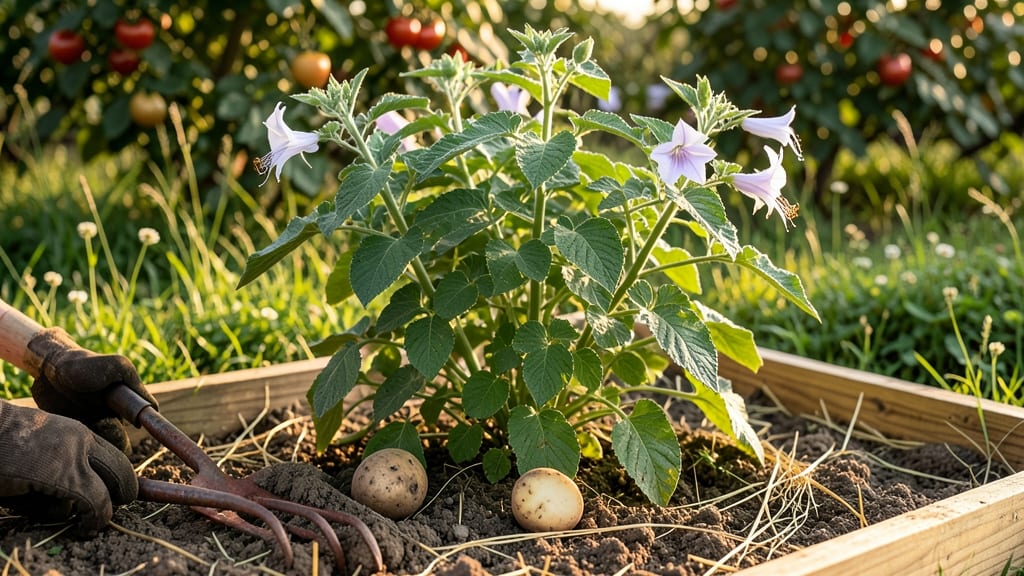
If you're dreaming of a bountiful potato harvest in Kentucky, when do you plant potatoes in this region to ensure success—especially in zones 6a-7a where frost can strike unexpectedly?
Timing your planting is the key to success, as the right window means the difference between a thriving crop of crisp 🥔 and wasted effort. Most gardeners in the Bluegrass region plant in early spring, but there’s a 3-week window that maximizes yield while avoiding late frosts.
Kentucky’s climate—with its mild winters and humid summers—gives you flexibility, but rushing or delaying can backfire. Plant too early, and frost will damage tender shoots; too late, and your tubers won’t mature before summer heat sets in.
The ideal time hinges on soil temperatures and last-frost dates, which vary slightly across the state. Let’s break down the exact schedule so you can start planting with confidence.
You’ll also discover how to adjust for Kentucky’s unpredictable spring weather, from using row covers to choosing the best potato varieties for your region.
Whether you’re a seasoned gardener or a first-timer, these insights will help you plan like a pro—so you’re harvesting golden spuds by July or August instead of scrambling at the last minute.
Ready to dig in? I’ll walk you through the step-by-step timeline, soil prep tips, and even backup strategies for when Mother Nature throws a curveball. Your perfect potato patch starts here.
Kentucky potato planting timeline: exact weeks before last frost by region
Kentucky’s USDA Zones 6a-7a offer 165 frost-free days, but microclimates like the Bluegrass Region and Cumberland Plateau have different frost risks. For most areas, the last frost date falls around March 15, but mountain regions can experience frost 2-3 weeks later.
Timing your planting 2-4 weeks before last frost ensures healthy growth without frost damage.
Soil temperature is critical—potatoes thrive when soil reaches 45°F (7°C). In Kentucky, this typically happens in late February to early March in the Bluegrass Region, but 1-2 weeks later in cooler mountain areas. Use a soil thermometer to confirm readiness, especially if spring arrives late.
Avoid planting too early—cold soil can stunt growth, while planting too late risks a shorter harvest season. Kentucky gardeners should aim for February 15 to March 15 in most areas, adjusting 1-2 weeks later for higher elevations.
Early varieties like Yukon Gold can handle cooler soils, while late varieties like Kennebec need warmer conditions.
🌱
For gardeners in Zone 6a (northern Kentucky), prioritize early-maturing varieties like Red Pontiac, which can be planted as early as February 1 if soil is workable. In Zone 7a (southern Kentucky), you have more flexibility—late March plantings still yield well if followed by consistent care.
Always check your local Cooperative Extension Service for year-specific frost data.
If you’re unsure about your region’s frost date, use row covers to protect early plantings. These can extend your planting window by 2-3 weeks by trapping heat and shielding tender shoots. For high-altitude areas, consider straw mulch to insulate soil and accelerate warming.
Harvest timing varies by variety but generally falls between 90-120 days after planting. In Kentucky, this means late June to August harvests. Early varieties like Early Rose may be ready by mid-July, while Russet Burbank could take until early September.
Plan your planting schedule with harvest dates in mind to avoid overlapping crops.
🌿
Pro tip: Mark your planting dates on a garden calendar and track soil temperatures weekly. If temperatures drop unexpectedly, use black plastic mulch to warm the soil faster. This method can shave 5-7 days off your planting timeline by raising soil temps by 5-10°F.
For second-crop potatoes, plant late varieties like Kennebec in mid-June after your first harvest. These “summer potatoes” thrive in Kentucky’s warm soils and can be harvested in late September to October, extending your fresh potato supply well into fall.
How to adjust potato planting for Kentucky’s unpredictable spring weather
Kentucky’s unpredictable spring weather can throw off even the best-laid potato planting plans. One week you might have warm soil temperatures, and the next, a late frost could threaten your entire crop.
The key is flexibility—knowing how to adapt your planting schedule and protect your potatoes when Mother Nature throws curveballs.
Start by monitoring soil temperatures with a simple thermometer. Potatoes need the ground to be at least 45°F (7°C) to sprout properly. If your soil warms up early but nights are still chilly, consider using row covers or black plastic mulch to insulate the soil and encourage faster warming.
This can buy you 2-3 extra weeks of planting time if needed.
Here’s the critical adjustment: If a late frost warning pops up after you’ve planted, don’t panic. Potatoes are surprisingly resilient once they’ve sprouted. A light frost (28°F/-2°C) won’t kill established plants—it might just slow them down.
For younger seedlings, however, cover them immediately with frost cloth or even old blankets secured with bricks.
⚠️ Late Frost Warning: Protect Your Potatoes
If frost is forecasted:
- Cover seedlings with frost cloth or cardboard boxes before sunset.
- Remove covers by 10 AM to prevent overheating.
- Avoid watering 24 hours before frost—wet foliage freezes faster.
🌡️ Pro Tip: Use a thermometer to check soil temps—potatoes can handle 40°F (4°C) soil but need 50°F (10°C) for active growth.
For gardeners in higher-elevation areas like the Cumberland Plateau, where frosts linger longer, consider a backup planting strategy. Plant a small batch of early-maturing varieties (like ‘Yukon Gold’) 2 weeks after your main planting date.
This ensures you’ll have at least one successful harvest even if spring drags on.
Another smart move: Pre-warm your soil in late winter by covering garden beds with clear plastic for 2-3 weeks before planting. This can raise soil temperatures by 5-10°F, giving you an earlier start. Just
Finally, keep an eye on rainfall patterns. Kentucky’s spring showers can lead to waterlogged soil, which stunts potato growth. If your garden stays soggy for more than 3-4 days, amend the soil with compost or sand to improve drainage. Well-drained soil is non-negotiable for potatoes—root rot is a common issue in wet springs.
With these adjustments, you’ll turn Kentucky’s unpredictable spring into an advantage. Your potatoes will thrive whether the weather cooperates or not. Happy growing!