
Plants
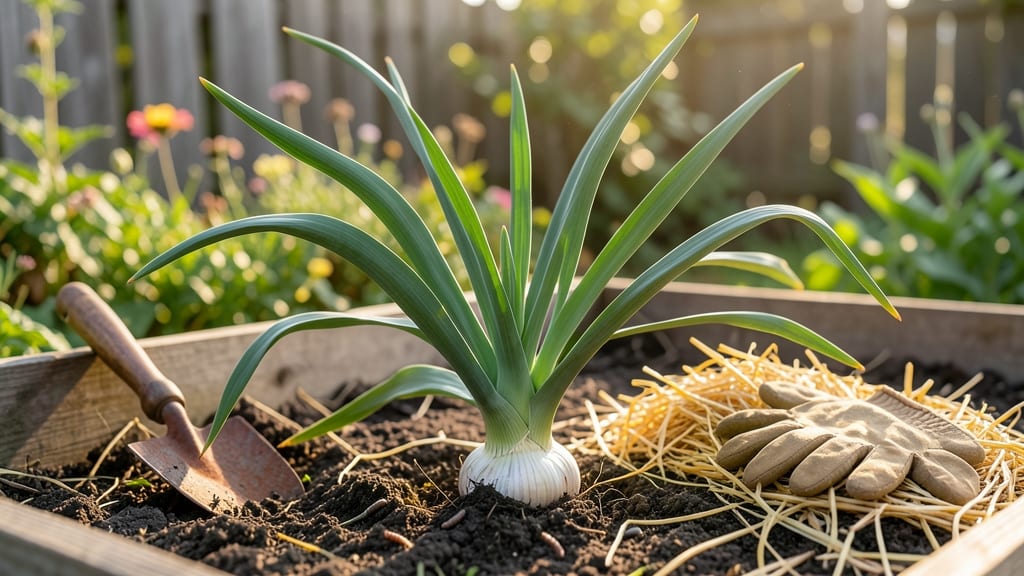
Planting garlic at the wrong time in Illinois can mean the difference between a bountiful harvest and a disappointing flop. The key to growing 🧄 successfully in zones 5-6 lies in understanding the precise fall window—typically between October and November—when soil temperatures drop and the ground begins to freeze.
Many gardeners assume garlic can be planted anytime in fall, but timing is everything. Illinois' unpredictable frosts and varying microclimates demand a strategic approach.
Whether you're growing hardneck or softneck varieties, planting 4-6 weeks before the first frost gives your cloves the cold exposure they need to develop robust bulbs by next summer.
In this guide, I'll break down exactly when to plant in your specific Illinois region, how to prepare your soil, and which varieties thrive best in your climate zone. You'll also discover pro tips to protect your garlic through winter and maximize your yield when harvest season rolls around.
Ready to grow garlic that rivals the best you've ever tasted? Let's dive into the perfect planting schedule tailored just for Illinois gardeners.
Illinois planting zones & best months for garlic (hardneck vs softneck breakdown)
Illinois spans USDA hardiness zones 5-7, creating distinct planting windows for hardneck and softneck garlic. Northern Illinois (zones 5a-5b) has earlier frosts, while Southern Illinois (zones 6a-7a) enjoys longer growing seasons.
This difference means Chicago gardeners should plant 4-6 weeks before first frost (typically late October), while St. Louis gardeners can extend planting into early November.
Hardneck varieties like 'Music' and 'German White' thrive in Illinois’ colder winters, producing scape shoots (flower stalks) that can be harvested for cooking.
Softnecks like 'Silverskin' prefer milder winters and are better suited for Southern Illinois. Timing is critical—plant too early, and cloves may sprout prematurely; too late, and bulbs won’t mature fully before harvest.
Soil temperature is your best guide: aim for 40-50°F at planting depth (6 inches). Use a soil thermometer to check—this usually aligns with mid-October in Northern Illinois and early November in Southern Illinois. If your soil is still warm, wait 1-2 weeks to avoid rot.
Here’s how Illinois’ climate zones break down for garlic planting:
| Zone | Best Planting Window | Hardneck Variety | Softneck Variety | Key Tip |
|---|---|---|---|---|
| 5a-5b (North) | Late October | 'Music', 'German White' | 'Artichoke' | Plant by Halloween for best results |
| 6a (Central) | Early November | 'Chesnok Red' | 'Silverban' | Extend to mid-November if soil is workable |
| 7a (South) | Mid-November | 'Creole' | 'California Early' | Can plant up to Thanksgiving |
The 'Plant by Halloween' rule is a gardener’s mantra in Northern Illinois. This gives garlic cloves enough time to establish roots before winter, while still allowing bulbs to mature by summer. Southern Illinois gardeners have more flexibility—some even experiment with December plantings if soil conditions permit—but this risks smaller yields.
For hardneck garlic, focus on Northern Illinois zones where winters are cold enough to vernalize (trigger bulb formation). Softnecks, meanwhile, perform better in Southern Illinois’ milder winters. Pro tip: If you’re unsure about your zone, check the University of Illinois Extension’s interactive map for precise frost dates in your county.
One common mistake? Planting garlic in spring. While possible, spring-planted garlic rarely develops full bulbs in Illinois’ short growing season. If you miss fall planting, your best bet is to buy fresh cloves from a local nursery in early spring and plant them immediately—but expect smaller harvests.
Soil preparation is just as critical as timing. Work in 2-3 inches of compost before planting to improve drainage, especially in heavy clay soils common in Illinois. Well-draining soil prevents rot, which is the #1 killer of garlic cloves in wet springs.
Ready to plant? Grab your soil thermometer and mark your calendar—October 15th is the magic date for most of Illinois. The earlier you plant, the larger your bulbs will grow!
Illinois planting zones & best months for garlic (hardneck vs softneck breakdown)
Illinois spans USDA Zones 5-7, and your garlic planting success hinges on knowing whether you’re in Northern Illinois (Zone 5) or Southern Illinois (Zone 6-7). In colder northern regions like Chicago, aim to plant by mid-October—up to 6 weeks before the first hard frost.
Meanwhile, in warmer southern areas like St. Louis, you’ve got flexibility until early November.
For hardneck garlic, the classic choice for Illinois, timing is critical. These varieties need cold exposure (40°F or lower) for 4-6 weeks to form bulbs.
Plant too late, and you’ll end up with small, weak cloves. Softneck garlic, like Artichoke, can tolerate slightly later plantings but still thrive best when established before the ground freezes.
Soil temperature matters too. Wait until the soil cools to 50-60°F—usually by late September or early October. Use a soil thermometer to check. If you plant too early, cloves may sprout before winter, leading to rot or poor survival.
If too late, they won’t root deeply enough to withstand freezing.
| Factor | Northern Illinois (Zone 5) | Southern Illinois (Zone 6-7) |
|---|---|---|
| Best Planting Window | Mid-October to early November | Late October to mid-November |
| Hardneck Variety | German White, Music, Chester | Silverskin, Rocambole |
| Soil Temp for Planting | 50-60°F | 50-60°F |
| Critical Deadline | 6 weeks before hard frost | 4-6 weeks before hard frost |
| Cold Requirement | 4-6 weeks below 40°F | 3-5 weeks below 40°F |
🌱 Pro Tip: Use your local frost date as your guide—check the Old Farmer’s Almanac for your county.
If you’re in Zone 6 or 7, don’t rush to plant. Softneck varieties like California Early can handle slightly later plantings, even into early December, but they’ll still need a cool winter to develop properly.
For hardneck garlic, though, stick to the October-November window—this ensures the scape (flower stalk) forms next summer, a key indicator of bulb maturity.
One common mistake? Planting spring garlic in Illinois. While it’s possible, your yields will be 50% smaller than fall-planted garlic. Spring plantings skip the cold vernalization period, leading to poor bulb formation. Save spring planting for green garlic or garlic scapes if you’re experimenting.
For container gardening in Illinois, use large pots (12+ inches deep) and plant by late September. Containers warm up faster, so move them to a protected spot or use row covers if frost threatens.
Just remember: garlic hates soggy soil, so ensure pots have drainage holes and use a lightweight potting mix.