Plants
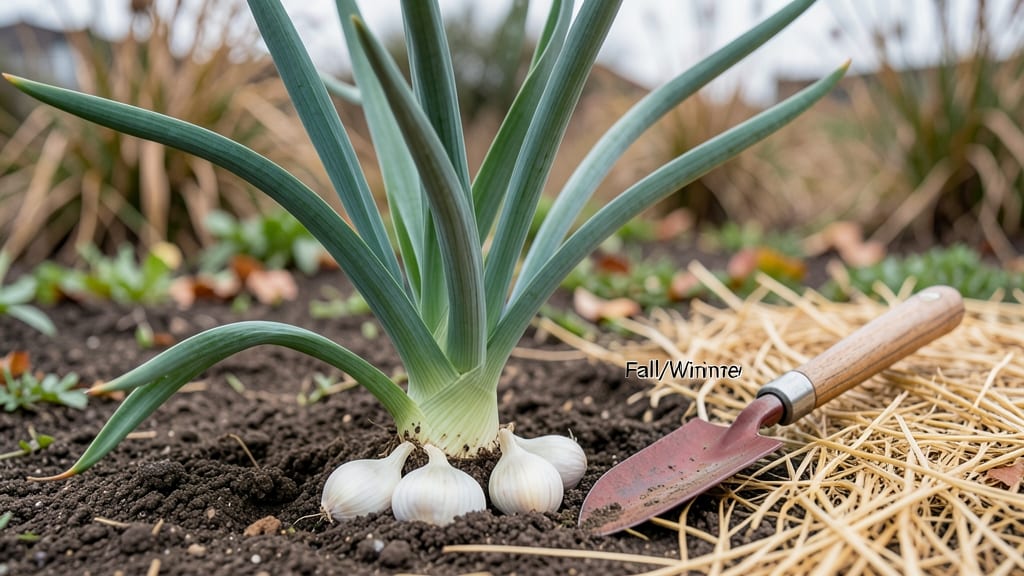
Planting garlic in California at the wrong time can mean the difference between plump, flavorful bulbs and sad, shriveled cloves. Unlike other crops, 🧄 garlic needs precise timing to thrive in our diverse climate—whether you're in frost-prone inland valleys or mild coastal areas like San Diego.
Most gardeners in USDA Zones 9a-10b swear by fall planting, but winter sowing works too if you live in areas with rare freezes.
The key is getting those cloves in the ground 4-6 weeks before your first frost—typically between October and November for a summer harvest, or January-February for a late-season crop.
Why does timing matter so much? Garlic needs cool winter temperatures to form bulbs, but it can't handle frost after sprouting. Inland regions might need earlier planting, while coastal zones can stretch it later.
Let me break down the exact windows and pro tips to guarantee a bountiful harvest every time.
Ready to grow garlic like a local? I’ll show you how to read your microclimate, prep soil perfectly, and avoid common mistakes that waste your hard work. Let’s get those cloves in the ground the right way!
California garlic planting calendar by region: frost zones explained
California’s diverse climate means your garlic planting window depends heavily on where you live. Inland valleys like Sacramento (Zone 9a) face occasional frosts, while coastal areas like San Diego (Zone 10b) rarely see freezing temps.
The key is planting 4-6 weeks before the first frost—typically mid-October to November for most regions—but coastal gardeners can extend this to January.
Hardneck varieties like Rocambole need cold to form bulbs, while softnecks like Artichoke tolerate milder winters. For example, San Francisco gardeners can plant as late as December, but Fresno growers must start by October 15th to avoid frost damage.
Timing isn’t just about months—it’s about soil temperature and daylight hours.
Here’s how to align your planting with California’s microclimates:
For Northern California, aim for mid-October to ensure bulbs mature before summer heat. Inland areas like Fresno can push planting to early November, but avoid waiting past November 15th—late plantings risk poor bulb formation.
Coastal gardeners in San Diego can plant as late as January because their mild winters eliminate frost risks.
Pro tip: Use a soil thermometer to confirm soil temps are between 50-60°F before planting. Cold soil slows germination, while warm soil can cause bolting (premature flowering). In Zone 10b, like Palm Springs, garlic grows year-round, but fall planting yields the largest bulbs.
If you’re unsure about your frost date, check your local Cooperative Extension office or use the USDA Plant Hardiness Zone Map. For example, Sacramento averages its first frost around December 15th, so planting by November 1st gives garlic enough time to establish roots before winter.
Hardneck varieties like Rocambole need 40-60 days of cold to form bulbs, while softnecks like Artichoke don’t require cold. This means Northern California gardeners should prioritize hardnecks, while Southern California growers can focus on softnecks for year-round harvests. Mixing varieties can extend your harvest season!
One common mistake is planting garlic too early in warm regions. In San Diego, planting in September can trigger bolting because the soil stays too warm. Wait until January for optimal results. Conversely, planting too late in Sacramento (after November 15th) risks frost damage before bulbs mature.
For container gardening, use well-draining pots and plant in October-November regardless of region. Containers warm up faster, so monitor soil moisture closely. Mulch with straw or wood chips to insulate roots and maintain even soil temps—critical for bulb development.
Remember: California’s microclimates create exceptions to every rule. If you’re in a high-elevation valley (like Napa), plant 2 weeks earlier than coastal areas. Always observe your garden’s unique conditions and adjust accordingly. 🌱
5 Critical factors that determine your planting window (beyond just months)
California’s garlic planting calendar isn’t just about months—it’s about soil temperature, daylight hours, and even rainfall patterns. Miss these, and your cloves might rot before they bulb up. Let’s break down the five hidden factors that override generic planting advice, so you can time it perfectly for your microclimate. Your garlic’s success hinges on soil temperatures between 40°F and 50°F—too warm, and cloves sprout weakly; too cold, and growth stalls. Use a soil thermometer (just $10 at garden centers) to check before planting. In San Diego, this might mean planting in late October, while Sacramento gardeners wait until mid-November when soils cool naturally.Daylight plays a sneaky role: longer winter days trick garlic into bolting (flowering) too early. Hardneck varieties like Rocambole need 12-14 hours of daylight to form bulbs, so plant them in cooler inland zones (e.g., Fresno) where days shorten naturally.
Softnecks like Artichoke tolerate longer daylight—ideal for coastal areas where days stay bright year-round.
Rainfall is the wildcard. Too much moisture causes rot, while drought stress stunts bulbs. Check your local rainfall averages: Los Angeles gets sporadic rains, so schedule planting for November to avoid winter downpours.
In humid Northern California (e.g., Redding), plant in January to sidestep soggy soils. Always amend clay soils with compost to improve drainage—garlic hates "wet feet."
Your garlic variety dictates flexibility. Hardnecks (e.g., Silverskin) need cold vernalization (40°F+ for 6+ weeks) to form bulbs, so plant them 6 weeks before your first frost. Softnecks (e.g., California Early) are more forgiving—plant them anytime from October to February in milder zones like San Francisco.
Pro tip: Buy organic, untreated cloves from local nurseries for stronger starts.
🔍 Test your soil’s readiness with this quick trick: Bury a thermometer 4 inches deep for 24 hours. If it reads 45°F–50°F, it’s prime time. Too warm? Wait. Too cold? Mulch with straw to insulate the soil. Avoid planting in summer—garlic hates heat stress and will bolt prematurely.
Final pro move: Adjust for gopher activity. In Central Valley areas, plant cloves deeper (3–4 inches) and use wire mesh cages to deter burrowing. Coastal gardeners? Focus on well-draining soil—gophers are less of a threat near the ocean.
Master these factors, and you’ll harvest plump, flavorful bulbs—not shriveled disappointments. Next up: Common mistakes that sabotage even the best-planned garlic beds. 🌱
🌱 5 Factors That Override the Calendar
- 🌡️ Soil temp: 40°F–50°F (use a thermometer!)
- ⏳ Daylight hours: Hardnecks need 12–14 hrs; softnecks tolerate longer days
- 🌧️ Rainfall: Avoid soggy soils; amend clay with compost
- 🧄 Variety type: Hardnecks need cold; softnecks are flexible
- 📏 Depth & gopher protection: Plant 2–3" deep; use cages in high-risk zones
Pro Tip: Test soil temp before planting—don’t guess!