
Plants
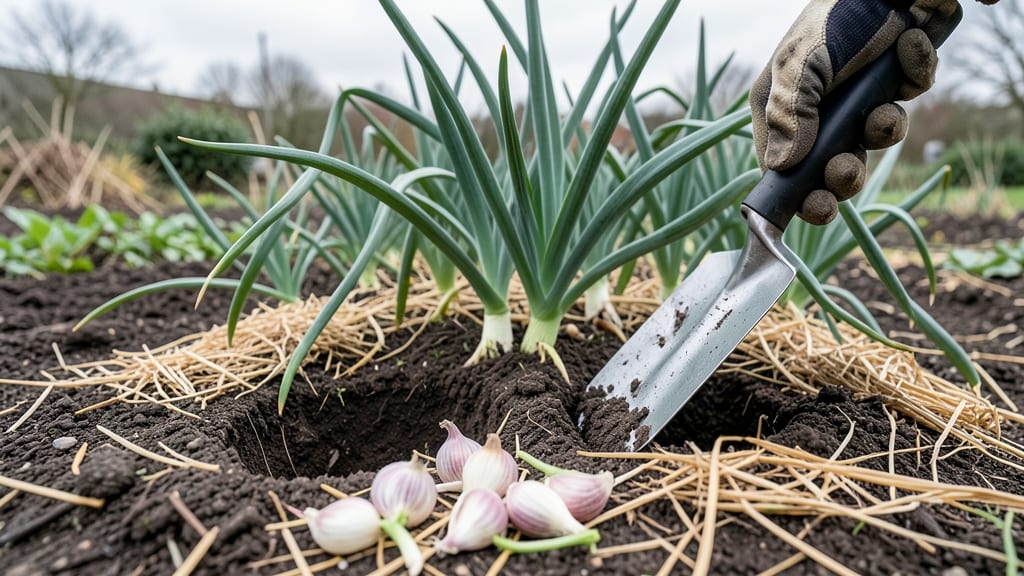
Timing your 🧄 garlic planting in Georgia could mean the difference between a thriving garden and a wasted season. The ideal window—October to November—lets this hardy crop establish roots before winter’s chill, setting the stage for next spring’s harvest.
If you’ve ever wondered why some gardeners swear by fall planting while others debate spring, the answer lies in Georgia’s 7b-8b climate. Planting too early or too late disrupts the garlic’s natural growth cycle, leaving you with weak bulbs or no harvest at all.
Don’t let uncertainty hold you back—I’ll walk you through the best months, soil prep secrets, and even how to pick the right variety for your Georgia garden. Whether you’re a first-timer or a seasoned grower, these tips will help you grow garlic like a pro.
From soil temperature tricks to avoiding common mistakes, you’ll learn exactly what it takes to turn your garden into a garlic-growing powerhouse. Let’s get started!
Best months to plant garlic in Georgia for maximum yield
Georgia’s mild winters and humid climate create perfect conditions for growing garlic, but timing is critical. Unlike many crops, garlic thrives when planted in fall—not spring—so you’ll want to start 4-6 weeks before the ground freezes.
For most of Georgia (USDA zones 7b-8b), this means October to early November is your ideal window.
Hardneck varieties like ‘Music’ or ‘German White’ perform best in Georgia’s climate, while softneck types such as ‘Silverskin’ can handle slightly later plantings. The key is ensuring cloves establish roots before winter dormancy begins. If planted too late, they may rot before forming bulbs.
Georgia’s first frost typically arrives between late October and early November, but this varies by region. In northern Georgia (zone 7a), aim for October planting, while southern Georgia (zone 8b) can extend into early November. Check the Georgia Climate Toolkit for your exact frost dates.
For spring planting (less common but possible), wait until January or February when soil temperatures rise above 50°F. However, spring-planted garlic often yields smaller bulbs compared to fall plantings. If you miss the fall window, don’t despair—just adjust your expectations.
| Planting Window | Best Varieties | Soil Temp | Harvest Month |
|---|---|---|---|
| Fall (Oct–Nov) | Hardneck (Music, German White) | 40–60°F | April–May |
| Spring (Jan–Feb) | Softneck (Silverskin) | 50–60°F | June–July |
| Late Fall (Dec) | Hardneck (Rocky Mountain) | 35–50°F | May–June |
🌱 Note: Fall plantings yield larger bulbs; spring plantings are riskier in Georgia’s heat.
One common mistake is waiting until December to plant garlic. While possible, late plantings may not establish roots before winter, leading to poor yields. If you’re unsure about frost dates, use a soil thermometer to confirm temperatures stay above 40°F for root development.
Georgia’s humidity can also affect garlic growth. To combat fungal diseases like white rot, avoid planting in soggy soil. Raised beds or well-drained garden spots are ideal. Mulch with straw after planting to insulate cloves during winter and prevent moisture loss.
For organic growers, amend soil with compost or well-rotted manure before planting. Garlic prefers slightly acidic to neutral soil (pH 6.0–7.0). Test your soil using a home test kit or submit samples to the University of Georgia Extension Service for professional analysis.
Pro tip: Separate garlic cloves 1–2 days before planting to let the base dry slightly. This reduces rot risk in Georgia’s damp climate. Plant the pointy end up, about 2 inches deep, with 4–6 inches between cloves. Space rows 12 inches apart for easy harvesting.
If you’re new to garlic growing, start small with 5–10 cloves to test your timing. Georgia’s climate rewards patience—garlic planted in October will reward you with large, flavorful bulbs by next spring. Just remember: timing is everything! 🧄
How to prepare your Georgia garden for garlic planting
Preparing your Georgia garden for garlic planting starts with understanding your local soil conditions and climate zone. Georgia’s USDA zones 7b-8b mean your garlic needs well-draining soil and protection from winter freezes, but with the right prep, you’ll set up your cloves for success.
I’ve learned that fall planting is ideal, but soil prep can begin as early as late summer.
First, test your soil pH—garlic thrives in slightly acidic to neutral soil (pH 6.0-7.0).
If your soil is too alkaline, amend it with compost or peat moss to lower the pH. I always add a 2-3 inch layer of compost to my garden beds in August or September to enrich the soil before planting.
This gives beneficial microbes time to break down and improve soil structure.
Next, focus on drainage. Garlic hates soggy soil, which can lead to rot. If your garden has clay-heavy soil, mix in sand or perlite to improve aeration.
Raised beds are another great option for Georgia gardeners with poor drainage—they warm up faster in spring and dry out more quickly after rains.
Test pH with a home kit or lab test. Aim for 6.0-7.0 pH.
Add 2-3 inches of compost 4-6 weeks before planting.
Avoid low spots—garlic needs well-draining soil.
Break bulbs into individual cloves 1-2 weeks before planting.
Gather straw or leaves for winter mulch (2-3 inches).
Don’t forget to separate garlic cloves properly—this is a common mistake that reduces yield. I peel away the papery skin and plant the pointed end up, about 2 inches deep.
For Georgia’s fall planting, aim to finish separation by mid-October so cloves can establish roots before first frost. If you’re planting spring garlic (less common but possible), separate cloves in February and plant as soon as soil is workable.
Companion planting can also boost your garlic harvest. Pair it with carrots, tomatoes, or lettuce to deter pests naturally. Avoid planting near beans or peas, as garlic’s strong aroma can inhibit their growth.
I’ve had great success with intercropping garlic and onions—they repel each other’s pests while sharing similar care needs.
Finally, mark your planting rows clearly so you don’t accidentally dig them up in winter. A simple wooden stake or flag works well.
In Georgia’s mild winters, garlic may sprout early, so keep an eye out for green shoots in late winter