
Companion Plants
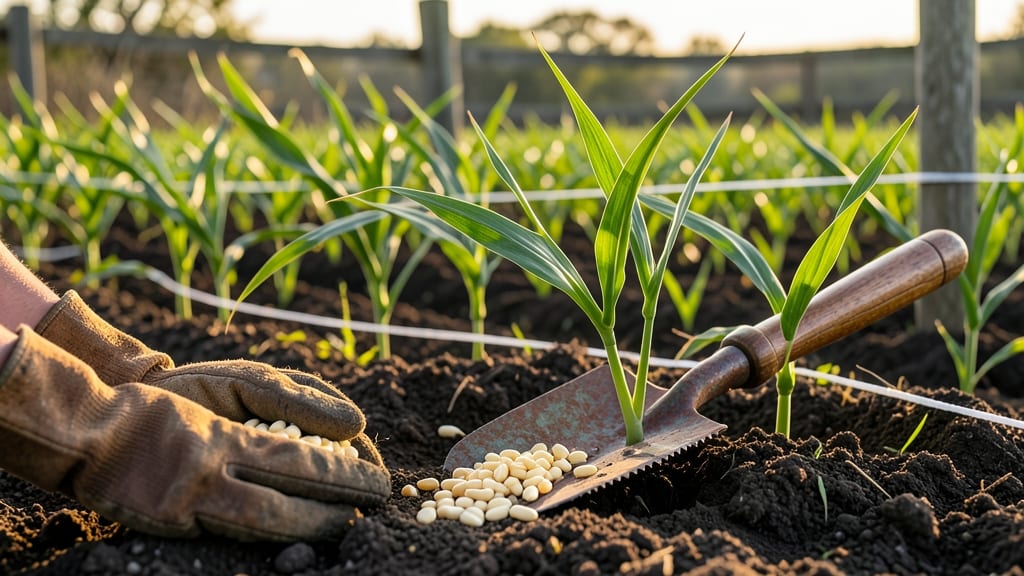
Timing your corn planting in Pennsylvania can make or break your harvest—get it wrong, and you might end up with frost-nipped seedlings or stunted ears.
The ideal window for planting 🌽 shifts dramatically from the warmer south to the cooler north, with soil temperatures playing a bigger role than calendar dates alone.
Most Pennsylvania gardeners wait until after the last frost—typically mid-April to early June—but that’s just the starting point.
The real secret lies in soil warmth: corn needs temperatures of at least 60°F to germinate properly, and waiting for that threshold (often late May in the Pocono Mountains) can mean the difference between a bountiful crop and wasted effort.
In this guide, I’ll break down exactly when to plant corn across PA’s 5b-7a zones, including county-specific frost-free deadlines and soil temperature maps. Whether you’re in Philadelphia’s urban heat pockets or the cooler valleys near Scranton, you’ll learn how to adjust your planting schedule for maximum success.
You’ll also discover the best varieties for your region, how to prep soil for faster germination, and the 5 critical mistakes that trip up even experienced PA gardeners. Let’s get those seeds in the ground at the perfect moment!
PA corn planting dates by county: frost-free deadlines & soil temperature maps
Pennsylvania’s diverse climate zones mean your corn planting window could shift by weeks depending on where you live. In Philadelphia (Zone 7a), gardeners often start sowing by mid-April, while those in Erie (Zone 6a) may wait until late May.
The key is tracking soil temperature—corn needs soil at least 50°F for germination and 60°F+ for optimal growth.
Use these regional guidelines to align your planting with local frost-free averages. Remember, late frosts can still hit in May, so always have a row cover ready. For real-time updates, check the Penn State Extension’s frost maps or use a soil thermometer to confirm readiness.
🌽
For northern PA, like the Poconos or Erie, opt for early-maturing varieties (60-70 days to harvest) to beat the first frost. In southern PA, you can stretch your season with succession planting—sow seeds every 2 weeks from April to June for a continuous harvest.
Pro tip: Use black plastic mulch to warm soil faster in cooler regions. This can shave 1-2 weeks off your planting timeline by raising soil temps by 5-10°F. Just remove it once plants emerge to prevent overheating.
If you’re unsure about your local frost dates, plant a test row of fast-growing radishes in early April. They’ll sprout quickly and signal when your soil is frost-free and ready for corn.
For container growing, start seeds indoors 4-6 weeks before your last frost date. Use biodegradable pots to transplant seedlings directly into the garden—this minimizes root disturbance and speeds up establishment.
Remember, corn thrives on warmth, so always prioritize soil temperature over calendar dates. A soil thermometer is your best friend for nailing the perfect planting window.
🌡️
How to adjust corn planting for PA’s microclimates: early vs. late varieties
Pennsylvania’s climate isn’t one-size-fits-all—Philly’s urban heat islands can be 10°F warmer than the Pocono Mountains by May. That means your corn planting schedule should shift based on where you live.
Urban gardeners in Philadelphia or Pittsburgh can often start 2-3 weeks earlier than rural areas like Erie or Scranton, where cooler soils delay germination.
For sweet corn (the most common variety), aim to plant when soil temperatures hit 60°F consistently—this usually means late April to early May in southern PA but mid-May in the north.
Field corn and popcorn need slightly warmer soils (65°F+) and often wait until early June to avoid frost risks.
Here’s how to match your variety to your microclimate:
🌽 PA Corn Variety Guide by Microclimate
| Microclimate | Best Varieties | Planting Window | Days to Maturity |
|---|---|---|---|
| Urban Heat Islands (Philly, Pittsburgh) | Silver Queen, Honey & Pearl, Bodacious | Late April–early May | 60–75 days |
| Suburban Areas (Lancaster, Harrisburg) | Peaches & Cream, Ambassador, Golden Bantam | Early–mid May | 70–85 days |
| Cool Mountain Regions (Poconos, Erie) | Early Sunglow, Golden Cross Bantam, Country Gentleman | Mid–late May | 55–70 days |
*Days to maturity = time from planting to harvest. Choose shorter varieties for cooler areas to avoid frost.
If you’re in a transitional zone (like Central PA), consider planting a successive crop: start with early varieties in late April and follow up with mid-season types in early June. This stretches your harvest from late July to early October, ensuring fresh ears all season.
For field corn (used for livestock or grain), wait until early June—its longer growing season (90–120 days) gives it time to mature before PA’s first frost. Popcorn, like Tom Thumb or Golden, thrives in warmer microclimates and should be planted by mid-May in southern PA.
Pro tip: Use black plastic mulch in cooler areas to warm the soil 2–3 weeks faster than bare ground. This trick lets you plant 2 weeks earlier without risking frost damage to tender seedlings.