
Plants
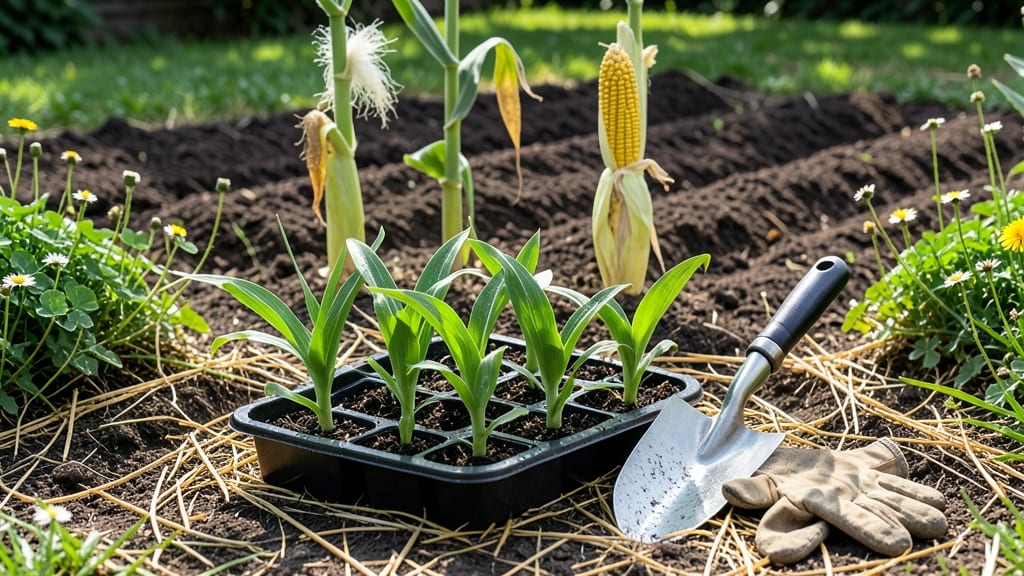
Planting corn in Florida at the wrong time can mean the difference between a bumper crop and wasted effort—especially when unpredictable weather throws frost risks into the mix. With Florida’s 9a-11 zones offering frost-free windows, timing your 🌽 harvests right ensures sweet, tender ears every season.
Most gardeners in the Sunshine State focus on two key planting windows: spring (March–May) and late summer/fall (August–September). But here’s the catch—North Florida’s last frost (around January 31) demands extra caution, while South Florida can plant year-round with minimal frost worries.
Whether you’re growing sweet corn, field corn, or popcorn, getting the soil temperature right (60°F) and spacing plants correctly is the key to avoiding stunted growth. I’ll break down the exact months that work best for your region—and how to adjust when Florida’s weather throws curveballs.
Ready to grow corn that rivals your favorite farm stand? Let’s dive into the most efficient planting schedule tailored to Florida’s unique climate, so you can enjoy fresh ears from June to December.
Best Florida corn planting months by region (with frost risk zones)
Florida’s frost-free growing season varies dramatically from north to south, making planting timing your most critical decision for corn success. Unlike northern states, Florida’s USDA Zones 9a-11 mean you can grow corn year-round—but strategic timing maximizes yields and avoids heat stress.
Let’s break down the optimal planting windows for your specific region.
North Florida (Zones 8a-9a, e.g., Jacksonville, Gainesville) faces late frosts until March 15, while Central Florida (Zones 9a-9b, e.g., Orlando, Tampa) typically sees last frosts by February 15. South Florida (Zones 10a-11, e.g., Miami, Fort Lauderdale) rarely experiences frost, allowing extended planting seasons.
For all regions, soil temperature is the real benchmark: corn seeds won’t germinate well below 60°F. In Florida, this usually aligns with March for spring plantings and August-September for fall plantings. Let’s compare the best windows by region.
In North Florida, spring plantings (March-April) are your best bet, with 75-90 days to maturity before summer heat sets in. Central Florida gardeners enjoy a longer window, allowing for successive plantings every 2-3 weeks from February through May.
Meanwhile, South Florida’s tropical climate lets you plant year-round, though summer plantings require shade cloth to protect tender seedlings from intense sun.
For fall harvests, aim for August-September plantings in all regions. This gives corn enough time to mature before cooling temperatures slow growth. In North Florida, fall plantings are riskier due to earlier frosts (starting December 1), so choose fast-maturing varieties (60-70 days).
One Florida-specific challenge is humidity, which can lead to fungal diseases like corn smut if planting is too late. Always space plants 12-18 inches apart and water at soil level (not overhead) to minimize risk.
For North Florida gardeners, row covers can extend the season by 2-3 weeks in early spring.
Pro tip: Monitor soil temperature with a soil thermometer—corn seeds need consistent warmth (60°F+) to germinate. In Florida’s unpredictable climate, planting too early can lead to poor germination, while planting too late risks heat stress before harvest. Aim for that sweet spot in early spring or late summer.
Remember, Florida’s microclimates mean your neighbor’s perfect harvest timing might not work for you. Check your local frost dates via the UF/IFAS Extension Service for precise guidance tailored to your zip code. With the right timing, you’ll enjoy crisp, sweet corn straight from your garden all year long.
How to adjust planting dates for Florida’s unpredictable weather patterns
Florida’s weather can be as unpredictable as a summer storm—one day scorching hot, the next unexpectedly chilly. To protect your corn harvest, I’ve learned to adjust planting dates based on soil temperatures, hurricane season, and even humidity spikes.
The key is flexibility: what works in North Florida won’t always suit South Florida’s longer frost-free season.
Start by monitoring soil temperatures with a simple thermometer. Corn seeds need soil that’s at least 60°F (15°C)—any cooler, and germination slows to a crawl. In North Florida, this usually means waiting until mid-April, while Central Florida gardeners can plant as early as late March.
South Florida’s warmer climate lets you start in February, but watch for unseasonal cold fronts.
🚨 WARNING: Don’t let false springs fool you. A brief warm spell in February might tempt you to plant early, but a late frost can wipe out tender seedlings. Use black plastic mulch to warm the soil faster—this buys you 2-3 extra weeks of planting time in cooler zones.
🌡️ Watch for These Red Flags
- Soil temp < 60°F: Seeds rot or fail to sprout.
- Forecasted cold snap: Delay planting until after 14 days frost-free.
- Hurricane season (June-Nov): Avoid planting 6 weeks before peak storm months.
- Drought warnings: Prioritize drought-tolerant varieties like 'Bodacious'.
Pro Tip: Sign up for local frost alerts from your county extension office.
For succession planting, I stagger my corn in 2-week intervals from March to May. This ensures a steady supply of fresh ears and spreads out the risk of pest outbreaks or disease.
For example, plant one batch in early March, another in mid-April, and a final batch in late May—just before the summer heat peaks.
If you’re in South Florida, you can also try a fall planting in August. Choose early-maturing varieties (like 'Silver Queen') to harvest before December’s rare cold snaps. Just beware of hurricane season: avoid planting in September if storms are forecasted.
Finally, container growing adds another layer of control. Move pots to shaded areas during 100°F+ heatwaves and bring them indoors if a cold front is predicted. Dwarf varieties like 'Peaches and Cream' thrive in containers and let you adjust planting dates more easily.
With these adjustments, you’ll beat Florida’s weather—not the other way around. The result? Sweet, plump corn all season long, no matter what Mother Nature throws at you. 🌽