
Plants
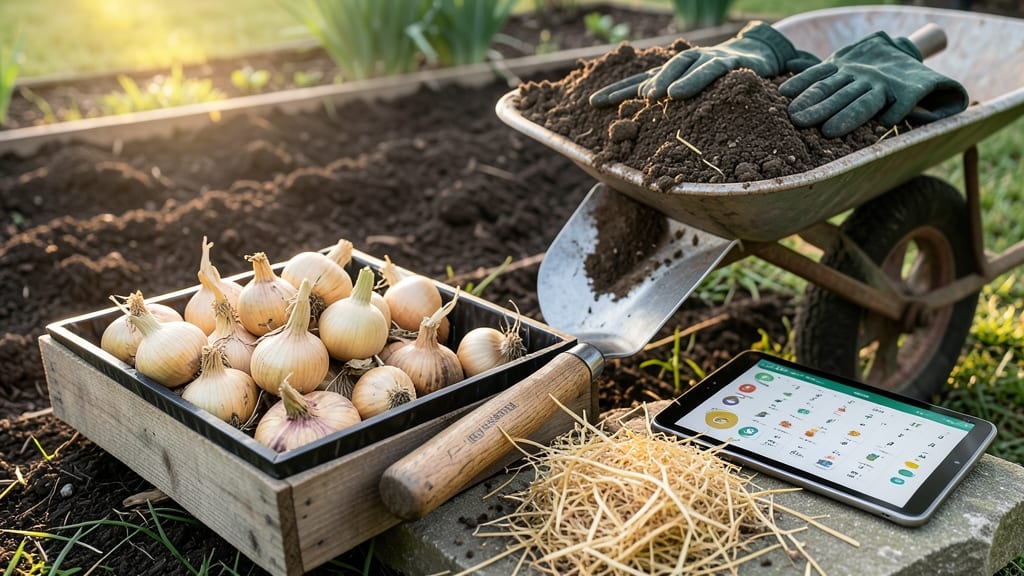
If you’ve ever planted spring flowering bulbs (like tulips or daffodils) in the South and watched them sprout too early or fail to bloom, you’re not alone. The key to vibrant 🌷 displays lies in timing—something that varies wildly from the humid Deep South to milder coastal zones.
Unlike northern gardeners who plant in late fall, Southern gardeners have a narrower window—typically between October and December—to avoid heat stress or premature sprouting. But here’s the catch: your exact planting month depends on your USDA zone, soil temperature, and even local rainfall patterns.
In this guide, I’ll break down the perfect planting schedule for your region, plus pro tips to protect your bulbs from Southern climate quirks like early warmth or heavy rains.
Whether you’re in Zone 7b or 11, you’ll learn how to set these bulbs up for zero-frost success—and a spring garden that steals the show.
Ready to stop guessing and start planting with confidence? Let’s get your bulbs in the ground at the ideal time for your corner of the South.
Best bulb planting months in the South by USDA hardiness Zone
In the South, bulb planting timing isn’t about freezing temperatures—it’s about avoiding heat stress and humidity. Unlike northern climates, Southern gardeners must plant 6-8 weeks before the first frost, which can happen as late as January in Zone 10.
For example, in Zone 7b, aim for mid-October to November, while Zone 9-10 gardeners can plant until early December.
Your USDA Zone dictates the perfect window. For instance, tulips and daffodils thrive when soil temps drop below 60°F, signaling it’s time to plant.
In humid zones like Florida, planting too early can cause bulbs to rot, while dry zones like Texas may need earlier planting to establish roots before summer heat returns.
🌱
| USDA Zone | Best Planting Month | Key Consideration | Bulb Examples |
|---|---|---|---|
| 7a-7b (e.g., Atlanta, GA) | Mid-October to November | First frost: mid-November | Daffodils, Tulips, Hyacinths |
| 8a-8b (e.g., Orlando, FL) | Late October to December | Humidity risk; plant deeper | Rain Lilies, Crocus |
| 9a-9b (e.g., Houston, TX) | November to December | Avoid summer heat; use mulch | Miniature Daffodils, Snowdrops |
| 10a-10b (e.g., Miami, FL) | December to January | No frost; plant in cooler months | Amaryllis, Paperwhites |
For spring-flowering bulbs like tulips, timing is critical. Plant too early in Zone 10, and bulbs may sprout prematurely in winter, only to wilt when summer heat returns.
Conversely, planting too late in Zone 7 risks frost damage before roots establish. Aim for 60°F soil temps—use a soil thermometer to check.
🌿
Some bulbs, like amaryllis and paperwhites, thrive in Zone 10’s mild winters and can be planted as late as January. These tropical bulbs don’t need cold dormancy, making them ideal for Southern gardeners who miss traditional spring blooms.
For daffodils and tulips, however, stick to fall planting—they require cold to bloom.
Pro tip: In humid zones, plant bulbs deeper than usual (8-10 inches) to protect them from rot. Use well-draining soil and avoid planting in low-lying areas where water pools. In dry zones, add organic mulch to retain moisture until roots establish.
☀️
If you miss the ideal window, don’t panic. Container gardening lets you plant bulbs anytime—just use a cool basement or garage to mimic winter conditions. For example, tulip bulbs can be pre-chilled in the fridge for 8-10 weeks before planting in pots, extending your growing season.
Finally, fall-planted bulbs need 6-8 weeks of cool soil to form roots. In Zone 9-10, this might mean planting in December to ensure roots establish before summer heat arrives. Always check your local frost dates—they’re your best guide!
How to adjust planting time for Southern climate quirks
Southern gardens face unique challenges that can throw off your bulb planting schedule, like humidity spikes or unpredictable frost. Unlike northern climates, where frost dates are more reliable, the South’s microclimates demand flexibility.
For example, Zone 8 gardeners in Atlanta might plant in November, while those in Zone 10 (like Miami) can wait until December—or even January for heat-sensitive varieties like tulips.
Soil temperature is your best indicator for timing. Bulbs need 60°F soil (measured 6 inches deep) to root before winter. In the Deep South, this often means waiting until late October or November—not the September rush seen in cooler zones.
Use a soil thermometer to check, or plant when daytime highs dip below 80°F for a week.
🚨 CRITICAL ADJUSTMENT: If your area gets winter rains (common in Zone 9), plant bulbs earlier (by 2-3 weeks) to avoid soggy soil. In coastal zones (like Zone 10), where frost is rare, opt for tropical bulbs (e.g., rain lilies) instead of traditional tulips or daffodils.
⚠️ Watch for These Southern Pitfalls
Heat Stress: Planting too early in Zone 10 can cause bulbs to sprout prematurely, only to be fried by summer heat. Wait until soil temps drop below 75°F before planting.
Fungal Risks: The South’s humidity encourages bulb rot. Always plant in well-draining soil and avoid overwatering after planting.
Pest Pressure: Squirrels and voles love Southern bulbs. Use chicken wire cages or plant daffodils (toxic to pests) as a deterrent.
For container gardening, timing shifts even more. Pots heat up faster, so plant 4-6 weeks later than in-ground bulbs. Choose heat-tolerant varieties like Mexican shellflowers or daylilies, which thrive in Zone 10’s warmth.
If you’re in a high-altitude Southern zone (e.g., Asheville, NC), follow Zone 7 guidelines instead of your official zone.
Mulch is your secret weapon in the South. Apply 2-3 inches of mulch after planting to insulate bulbs from temperature swings. In Zone 8-9, use straw or pine straw; in Zone 10, opt for gravel mulch to reflect heat.
This extends your planting window by 2-3 weeks in both directions (earlier or later).
Pro tip: Test your bulb viability before planting. Squeeze a bulb—if it’s soft or shriveled, it won’t survive Southern summers. Choose firm, dry bulbs from reputable suppliers like Bare Root Nursery or Local Southern growers.
For high-humidity zones, soak bulbs in neem oil solution (1 tsp oil per gallon of water) for 10 minutes before planting to deter fungi.