
Companion Plants
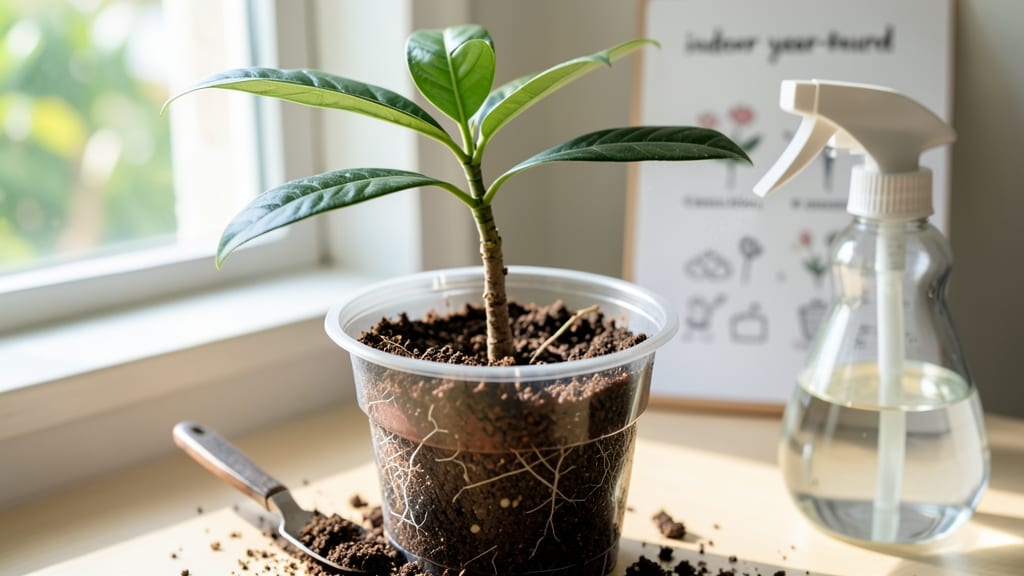
The perfect timing for planting your avocado seed in soil determines whether your little 🥑 sprout thrives or withers—so getting it right matters more than you think. Too early, and delicate roots may rot; too late, and your seedling could stall before it even starts. The good news? With the right approach, you can nurture that seed into a sturdy young tree, whether you're working indoors year-round or prepping for spring planting in Zone 6a.
Most gardeners start their avocado seeds in water first, watching for those first 1-2 inch roots that signal it's time to transition to soil. This usually happens between 4-12 weeks, depending on temperature and humidity.
But here's the catch: if you're planting outdoors in colder climates, timing matters even more—waiting until after the last frost (around mid-April in Zone 6a) gives your seedling the best shot at survival.
Indoors, you've got flexibility, but consistency is key. A sunny windowsill or grow light keeps your seedling happy year-round, while outdoor plantings in spring (March-April) align with natural growth cycles.
The soil prep is just as important as the timing—well-draining mixes and proper depth (about 1-2 inches) set the stage for healthy roots.
Ready to turn that avocado pit into a thriving tree? I'll walk you through every step—from spotting those ready signs (like upright stems and vibrant leaves) to choosing the perfect soil mix for your climate. Let's make sure your seedling gets off to the strongest start possible.
Avocado seed germination timeline: when to plant in soil for best results
Timing is everything when it comes to planting your avocado seed in soil. Unlike many plants, avocado seeds require a pre-germination phase in water before they’re ready for soil. This process typically takes 4 to 12 weeks, depending on temperature and humidity.
Understanding each stage helps you know exactly when to transition your seedling to soil for the best chance of survival.
Most avocado seeds begin sprouting roots within 2 to 4 weeks when kept in water, with the stem emerging shortly after. However, rushing to plant too soon can shock delicate roots.
The ideal time to plant in soil is when your seedling has a 2- to 3-inch root system and a 1- to 2-inch stem. This usually falls between weeks 6 and 8 of the germination process.
Temperature plays a critical role in this timeline. In warm climates (USDA Zones 9-11), seeds may germinate faster—sometimes in as little as 4 weeks. In cooler zones (USDA Zones 6-8), germination can stretch to 10-12 weeks.
If you’re growing indoors near a sunny window, maintain a consistent 70–80°F (21–27°C) to speed up the process.
If you’re planting outdoors, time your transplant carefully. In temperate climates, aim for late spring after the last frost (typically April–May in USDA Zone 6a). In tropical or subtropical zones, you can plant year-round, but avoid heavy rains or extreme heat, which can stress young seedlings.
For indoor growers, the timeline is less seasonal. As long as your seedling meets the 2-inch root and 1-inch stem criteria, you can plant it in soil at any time. However, place it near a south-facing window or under grow lights immediately after transplanting to prevent legginess.
One common mistake is waiting too long to plant. If roots exceed 4 inches or the stem grows too tall, the seedling may struggle to stabilize in soil. Conversely, planting too early—when roots are underdeveloped—can lead to root rot or collapse. Balance is key!
Pro tip: Use a clear jar or container for the water phase so you can monitor root growth easily. Once roots reach 1-2 inches, it’s a clear signal that soil is the next step. Transplant gently, disturbing roots as little as possible to minimize shock.
Remember, avocado seedlings grown from seed are not guaranteed to bear fruit for 5–13 years, but the journey starts with perfect timing. By following this timeline, you’ll give your seedling the best possible start in life.
Signs your avocado seed is ready for soil (and how to prepare it)
Timing the transition from water to soil is critical for your avocado seed’s survival.
Most seeds sprout roots in water within 2-4 weeks, but they’re only ready for soil when they show 3 key signs: a 1-2 inch root, a hardened stem, and first true leaves. Waiting too long risks stunted growth, while moving too soon invites rot.
Don’t rush—root length is your best indicator. A healthy avocado seedling should develop roots 1-2 inches long before transplanting. These roots need strength to anchor in soil and absorb nutrients. If yours are shorter than ½ inch, give it another 1-2 weeks in water.
The stem’s firmness also matters. When your seedling’s stem feels wood-like (not soft or bendy), it’s ready. Gently squeeze it—if it springs back, it’s not ready yet. A hardened stem resists bending and signals the seedling can support itself in soil.
First true leaves (not the initial seedling leaves) are your final green light. These larger, glossy leaves appear after the initial sprout phase. Once you see 2-3 true leaves, your seedling is primed for soil. Ignore this step, and you risk transplant shock.
⚠️ Warning: Common Mistakes to Avoid
- Transplanting too soon: Seedlings with soft stems or tiny roots (<1 inch) will wilt or rot in soil.
- Skipping soil prep: Poor drainage or compacted soil suffocates roots—always use a well-draining mix.
- Overwatering after transplant: Keep soil moist but not soggy for the first 2 weeks.
Prepare your seedling for soil by hardening it off for 3-5 days before transplanting. Place it in bright, indirect light (like a windowsill) to mimic outdoor conditions.
This reduces shock when you move it to soil. Use a small pot (6-8 inches wide) with drainage holes—avocado seedlings hate soggy roots.
After transplanting, place your pot in bright, indirect sunlight for 1 week before introducing full sun. Monitor for yellowing leaves (a sign of overwatering) or drooping (underwatering). Adjust care until your seedling establishes roots in soil—usually within 2-4 weeks.