
Planting
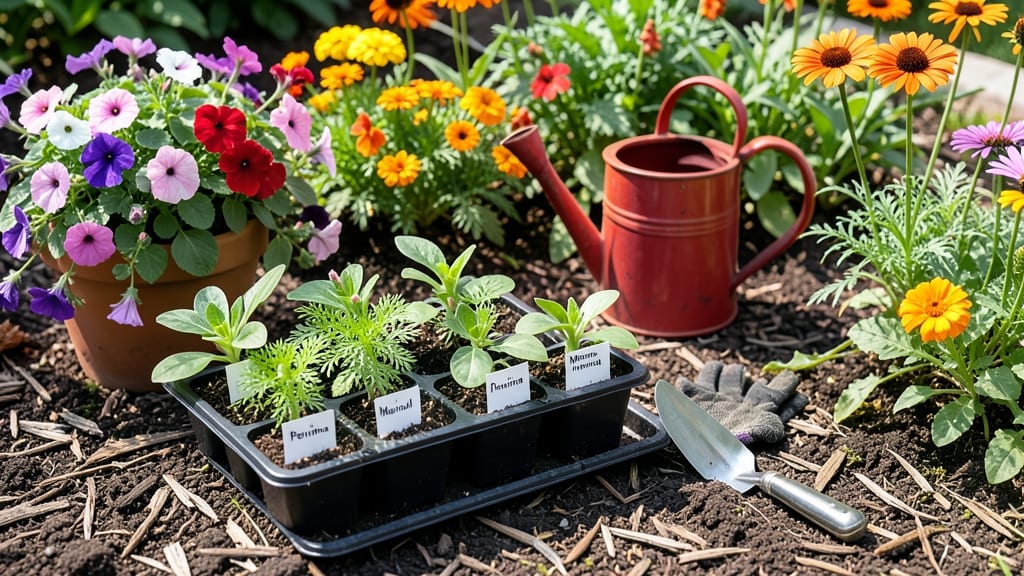
Timing your flowers planting in Ohio can mean the difference between a showstopping garden and a sad, frost-nipped disappointment. With Ohio’s USDA Zone 6a climate, knowing when to plant—whether it’s 🌸 annuals or hardy perennials—is the secret to vibrant blooms all season.
Most Ohio gardeners wait until after the last frost (around April 15), but some flowers thrive when planted earlier or even in fall. The key? Understanding your region’s microclimate—whether you’re in Toledo, Columbus, or Cincinnati—can shift your planting window by weeks.
In this guide, I’ll break down the exact weeks before last frost to plant everything from delicate pansies to sun-loving marigolds. You’ll also learn how to extend your growing season with simple tricks, so you can enjoy flowers from spring through fall without the guesswork.
Ready to transform your Ohio garden into a blooming paradise? Let’s get started with the perfect planting schedule tailored just for you.
Ohio’s last frost dates by region: when to plant flowers for maximum success
Ohio’s last frost dates vary dramatically from north to south, making precise timing critical for flower success. In northern Ohio (e.g., Toledo, Cleveland), the average last frost falls around April 29, while southern Ohio (e.g., Cincinnati, Lexington) typically sees its last frost by April 15.
Central Ohio (Columbus, Dayton) lands somewhere in between, around April 22. These dates mark your window to plant warm-season flowers like marigolds and zinnias safely.
For cool-season flowers such as pansies and snapdragons, you can start as early as March 15 in southern Ohio or April 1 in northern regions. These hardy varieties tolerate light frosts, but avoid planting after May 1—they’ll bolt or struggle in summer heat.
Always check your USDA Zone (Ohio spans 5b–6b) and local weather forecasts for adjustments.
Here’s how to use Ohio’s frost-free window to your advantage: Plant annuals 2–4 weeks after your last frost date, and perennials 1–2 weeks earlier to establish roots before summer heat. Bulbs like tulips and daffodils, however, should go in the ground by November for spring blooms.
| Region | Last Frost Date | Best Planting Window | Notes |
|---|---|---|---|
| Northern Ohio (Toledo, Cleveland) | April 29 | May 15–June 1 | Wait for soil to warm to 60°F |
| Central Ohio (Columbus, Dayton) | April 22 | April 30–May 15 | Ideal for perennials |
| Southern Ohio (Cincinnati, Lexington) | April 15 | April 1–April 15 | Start cool-season flowers early |
Ohio’s first frost typically arrives between October 10–20, depending on the region. This signals the end of your outdoor planting season for most flowers, but you can still plant fall-blooming varieties like chrysanthemums and asters until September 15.
For bulbs, aim to plant tulips and daffodils by October 1 to ensure they establish roots before winter.
Pro tip: Use row covers or cold frames to extend your planting season by 2–3 weeks in spring or fall. These tools create microclimates that protect tender seedlings from late frosts.
For example, I’ve successfully planted petunias in early April using a lightweight row cover, giving them a head start before removing it after the last frost.
Always monitor your local Almanac frost predictions—they’re updated weekly and account for year-to-year variations. For instance, 2023’s last frost in Columbus arrived on May 5, two weeks later than average, catching many gardeners off guard.
Plan for flexibility by keeping seedling trays indoors until you’re certain the coast is clear.
Soil temperature matters just as much as air temperature. Use a soil thermometer to confirm your garden bed has reached at least 60°F before planting warm-season flowers. Cool soil slows germination and stunts growth, even if the air feels warm.
In my raised beds, soil warms faster than in-ground plots, so I often plant 1–2 weeks earlier in those areas.
Ohio’s microclimates can also shift planting windows. South-facing slopes warm up earlier, while low-lying areas hold frost longer. If your yard has shady spots, opt for partial-shade flowers like impatiens or fuchsias, which tolerate cooler conditions.
Conversely, sun-loving varieties like sunflowers and coneflowers thrive in full sun and can handle the heat once established.
Don’t forget about succession planting—it’s your secret weapon for continuous blooms. After your first frost, sow fast-growing annuals like cosmos or zinnias to fill gaps left by summer-blooming perennials. This keeps your garden vibrant from spring through fall without overcrowding.
Finally, keep a garden journal to track your frost dates and planting successes. Note when you planted, which varieties thrived, and any adjustments you made for the next year.
Over time, you’ll refine your timing to match your unique Ohio microclimate—because no two gardens are exactly alike, even in the same neighborhood!
Best flowers to plant in Ohio by season: cool vs. warm season timing guide
Ohio’s diverse climate means some flowers thrive in cool spring temperatures while others need warm summer soil. Knowing which category your favorites fall into helps you avoid frost damage or wilting heat stress. Here’s my breakdown of Ohio’s best flowers by planting window.
For cool-season flowers, plant 4–6 weeks before your area’s last frost date. These hardy blooms handle light frosts and even chilly nights. Think pansies, snapdragons, and sweet alyssum—perfect for early spring color.
In northern Ohio, aim for late March to early April; in southern Ohio, push to mid-April.
🌸 Ohio Flower Planting Timeline by Season
- 🌱 Cool-Season Flowers (March–April): Pansies, Snapdragons, Sweet Alyssum, Calendula
- ☀️ Warm-Season Flowers (May–June): Marigolds, Petunias, Sunflowers, Dahlias
- 🌿 Perennials (April–May): Coneflowers, Black-Eyed Susans, Peonies, Lavender
- 🌼 Fall Bulbs (September–October): Tulips, Daffodils, Crocus (plant before first frost)
Warm-season flowers, like marigolds and zinnias, need soil temps above 60°F to thrive. Wait until 2–4 weeks after your last frost date—typically mid-May in northern Ohio and early May in southern Ohio. These heat-lovers will bolt or wilt if planted too soon.
Perennials like coneflowers and peony are the easiest to time. Plant them in early spring (April) or fall (September–October) for deep root establishment. Their long-lived blooms reward patience—once established, they’ll return year after year with minimal effort.
Ohio’s fall planting window (September–October) is ideal for bulbs like tulips and crocus. These cool-season stars need 6–8 weeks of chilly weather to root before dormancy. Plant them before your first frost (usually mid-October in northern Ohio and late October in southern Ohio).
Pro tip: Succession plant warm-season flowers every 2–3 weeks after your last frost for continuous blooms. Start with fast growers like cosmos, then add marigolds and petunias for a nonstop summer show. Just remember—Ohio’s weather is unpredictable, so always keep row covers handy!