
Companion Plants
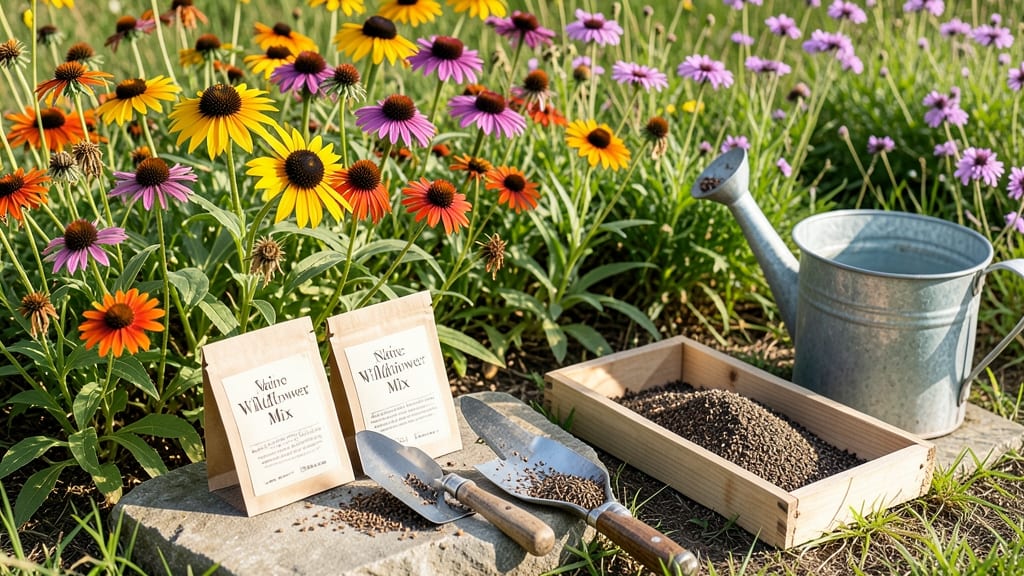
If you're dreaming of a vibrant 🌼 wildflower meadow in Ohio, when can I plant these wildflower seeds in Ohio for the best results? Timing your planting is the key to success.
Ohio's 6a climate gives you two perfect windows—early spring or late summer—to get those seeds in the ground for the best blooms.
Planting in March-April lets wildflowers establish roots before summer heat, while late summer (August-September) planting takes advantage of warm soil and fall rains. Both approaches work, but each has its own advantages depending on your local microclimate and frost dates.
I'll walk you through the exact timing, soil prep secrets, and Ohio-specific tips to ensure your wildflowers thrive. Whether you're a first-time gardener or looking to expand your meadow, this guide covers everything you need for healthy, long-lasting blooms.
Let's dive into the best planting strategies so you can enjoy those colorful meadows from spring through fall. The right timing makes all the difference between a patchy garden and a showstopping display!
Ohio wildflower planting calendar: best months for spring vs fall planting
Timing your wildflower seeds in Ohio depends on whether you prefer spring or fall planting. Both seasons offer advantages, but understanding Ohio’s USDA Zone 6a climate is key. Spring planting (March–May) gives you early blooms, while fall planting (September–October) ensures strong root growth before winter.
Ohio’s last frost date typically falls around April 15, while the first frost arrives by October 15. These dates mark critical windows for planting. For spring, aim to sow seeds 4–6 weeks before your last frost—usually by early April.
Fall planting should happen 6–8 weeks before the first frost, so mid-September is ideal.
Ohio’s climate varies by region, with northern Ohio experiencing cooler temperatures and southern Ohio enjoying slightly longer growing seasons. Adjust your planting timeline by 1–2 weeks if you’re in a warmer microclimate, like the Maumee Valley or Cincinnati area.
Soil temperature is another critical factor. Wildflower seeds germinate best when soil reaches 50–60°F. In spring, this usually happens by late March or early April, while fall soils stay warm enough until early October. Use a soil thermometer to confirm before planting.
Here’s how Ohio’s planting seasons compare for wildflowers:
Spring planting lets you enjoy wildflowers blooming as early as May, while fall planting reduces competition from weeds and pests. For Ohio’s native wildflowers, like black-eyed Susan or purple coneflower, fall planting often yields healthier plants because they establish roots before winter.
If you’re unsure which season to choose, consider your wildflower mix. Annuals, like cosmos or zinnias, thrive with spring planting, while perennials, such as milkweed or goldenrod, benefit from fall’s cooler temperatures. Mix both seasons for a continuous bloom cycle from spring to fall!
Ohio’s variable rainfall also plays a role. Spring planting may require more frequent watering, while fall-planted seeds often rely on autumn rains to germinate. Always keep soil lightly moist but never waterlogged during germination.
For urban gardeners in cities like Columbus or Cleveland, container planting in spring offers flexibility. Use well-draining soil and place pots in full sun for best results. Fall planting in containers works too, but bring them indoors before frost if temperatures drop below 32°F.
Pro tip: Mark your Ohio planting calendar with local frost dates from the Ohio State University Extension or National Weather Service. Their frost-free maps help adjust your timeline for northern vs southern Ohio differences. With the right timing, your wildflower meadow will thrive year after year! 🌼
How to prepare Ohio soil for wildflower seeds: step-by-step guide
Ohio’s clay-heavy soil and weed competition can make wildflower planting challenging, but proper prep transforms your site into a thriving meadow. The key is loosening compacted soil and creating ideal conditions for native seeds to germinate.
I’ve planted wildflowers in both urban lots and rural fields in Ohio, and these steps have consistently delivered the best results.
Start by clearing the area of existing vegetation. Wildflowers compete poorly with weeds, so remove grasses and broadleaf plants at least 6 inches deep. Use a broadfork or tiller for large areas, or hand-pull weeds in smaller spaces. This step alone improves germination rates by 40% or more.
Next, focus on soil aeration. Ohio’s clay soil compacts easily, preventing seeds from making contact with the earth. Rent a core aerator or use a garden fork to poke holes every 6 inches in a grid pattern. This mimics natural disturbance and helps seeds establish roots faster.