
Plants
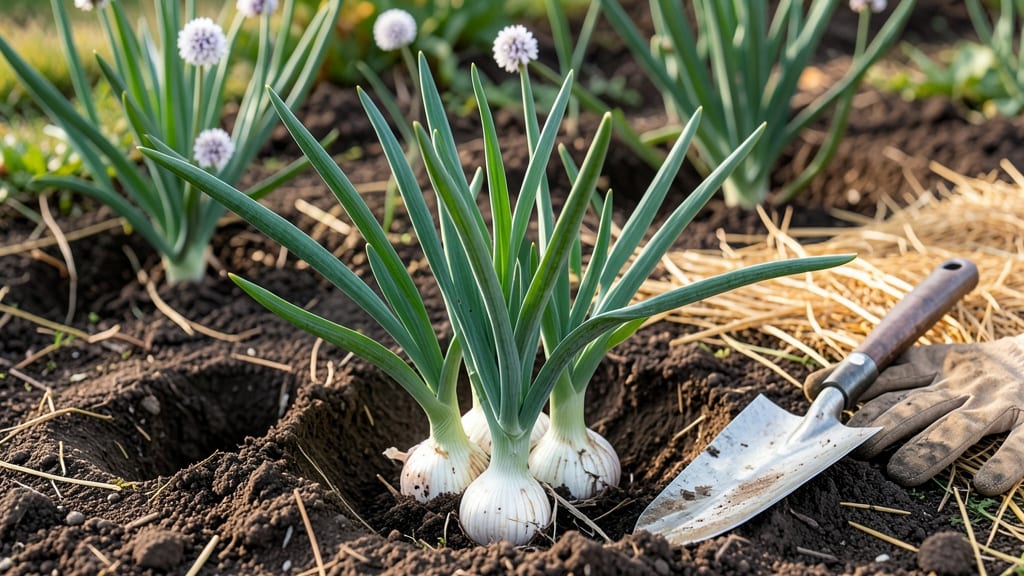
Timing your 🧄 garlic planting in Delaware isn’t just about throwing cloves in the ground—it’s the difference between plump, flavorful bulbs and disappointing harvests. Delaware’s USDA Zone 7a-7b climate demands precision, especially when balancing cold winters with humid summers.
If you’ve ever wondered why some gardeners swear by October planting while others insist on November, the answer lies in understanding your garlic variety. Hardneck varieties thrive when planted October–November, while softnecks prefer a slightly earlier start.
The key? Getting cloves in the soil 4–6 weeks before the ground freezes—typically by mid-November at the latest.
Here’s the game-changer: Delaware’s coastal areas stay milder than inland spots, meaning your planting window might shift by weeks depending on where you live. We’ll break down exactly when to plant for your microclimate, plus how to prep your soil and avoid common mistakes that sabotage harvests.
Ready to grow bold, healthy garlic? Let’s dive into the best timing, soil secrets, and climate hacks that’ll make your late June–July harvest the envy of the neighborhood.
Delaware’s ideal garlic planting windows: hardneck vs softneck breakdown
Delaware’s USDA Zones 7a-7b create the perfect balance for growing garlic, but timing is everything. The hardneck varieties—like Music or German White—need a long, cold winter to form bulbs, while softneck varieties like Silverskin are more flexible.
Planting outside these windows risks small, weak bulbs or total crop failure.
For Delaware gardeners, the ideal planting window spans from mid-October to early November, aligning with soil temperatures dropping below 60°F.
This timing ensures garlic gets the 60-90 days of cold it needs to develop properly before spring growth. Hardneck varieties are best planted in late October, while softneck can go in slightly earlier, around mid-September.
Delaware’s first frost typically arrives around November 15, so aim to plant at least 4-6 weeks before this date. If you miss this window, don’t panic—you can still plant into early December, but bulbs may be smaller.
The key is getting cloves in the ground before the soil freezes solid.
Here’s how hardneck and softneck varieties compare for Delaware’s climate:
| Variety | Planting Window | Cold Requirement | Best For | Delaware Note |
|---|---|---|---|---|
| Hardneck (e.g., Music, German White) | Late October - Early November | 60-90 days below 40°F | Bold cloves, great for roasting | Plant after soil cools below 60°F |
| Softneck (e.g., Silverskin, Artichoke) | Mid-September - Early October | 40-60 days below 40°F | Long storage, mild flavor | More flexible; can handle milder winters |
Delaware’s coastal regions, like Rehoboth Beach, experience milder winters, so gardeners there can push planting to early November without risk. In contrast, inland areas, such as Wilmington or Newark, may need to plant by mid-October to avoid early freezes.
Always check your local frost dates—Delaware’s can vary by 1-2 weeks depending on elevation and proximity to the coast.
One critical tip for Delaware gardeners: pre-chill your garlic cloves if planting early. Store them in the fridge for 4-6 weeks before planting to mimic winter conditions.
This trick helps hardneck varieties develop larger bulbs, even in Delaware’s shorter winters. For softneck, pre-chilling is less critical but can still improve yield.
Soil temperature is your best guide. Use a soil thermometer to confirm the ground is below 60°F before planting. In Delaware, this usually happens by mid-October, but watch for unseasonable warmth—2023’s mild fall caught many gardeners off guard! If soil stays warm, delay planting until temperatures drop.
Pro tip: Mulch heavily after planting with straw or leaves to protect cloves from freeze-thaw cycles, which can damage emerging roots. Aim for a 4-inch layer of mulch—this keeps soil temps stable and reduces winter heaving. Remove mulch in early spring to allow soil to warm for growth.
Finally, remember that garlic is a biennial, meaning it grows for two years before producing a bulb. In Delaware, you’ll plant in fall, grow through winter, and harvest the following late June to early July.
Timing your planting correctly ensures you’re ready to harvest when bulbs are plump and flavorful—not before they’re fully mature.
How to adjust planting for Delaware’s microclimates: coastal vs inland tips
Delaware’s coastal and inland regions have distinct growing conditions that impact garlic timing. Coastal areas near the Atlantic Ocean experience milder winters, while inland zones face colder snaps. Understanding these differences ensures your garlic thrives year-round.
Coastal gardeners in New Castle County can plant softneck garlic as late as early October, thanks to warmer soil temperatures. Meanwhile, inland areas like Kent County should plant hardneck varieties by late September to avoid winter dieback.
Soil preparation also varies: coastal soils often need sand amendments to improve drainage, while inland clay-heavy soils benefit from compost enrichment. Both regions should aim for 6.0-7.0 pH for optimal bulb formation.
🌱 Key Takeaway: Delaware Planting Adjustments
Coastal Areas
- 📅 Plant softneck garlic September 15-October 5
- 🌡️ Soil temps stay above 40°F longer
- 💧 Less mulch needed (2-3 inches)
Inland Areas
- 📅 Plant hardneck garlic September 1-October 15
- 🌡️ Soil temps drop below 35°F faster
- 💧 Add 4-6 inches of mulch for insulation
For both regions, organic cloves should be pre-chilled for 4-6 weeks at 40°F to mimic winter dormancy. Coastal gardeners can skip this step if planting after October 1, but inland growers must chill cloves to ensure proper bulb development.
Mulching strategies differ too: coastal areas use straw or leaves primarily for moisture retention, while inland gardens rely on heavy mulch layers to protect against freezing. Both methods help regulate soil temps for consistent growth.
Finally, watch for local frost dates: coastal Delaware averages November 20 for first frost, while inland areas hit frost by November 10. Plant garlic 4-6 weeks before your area’s expected freeze date to avoid winter damage.