
Companion Plants
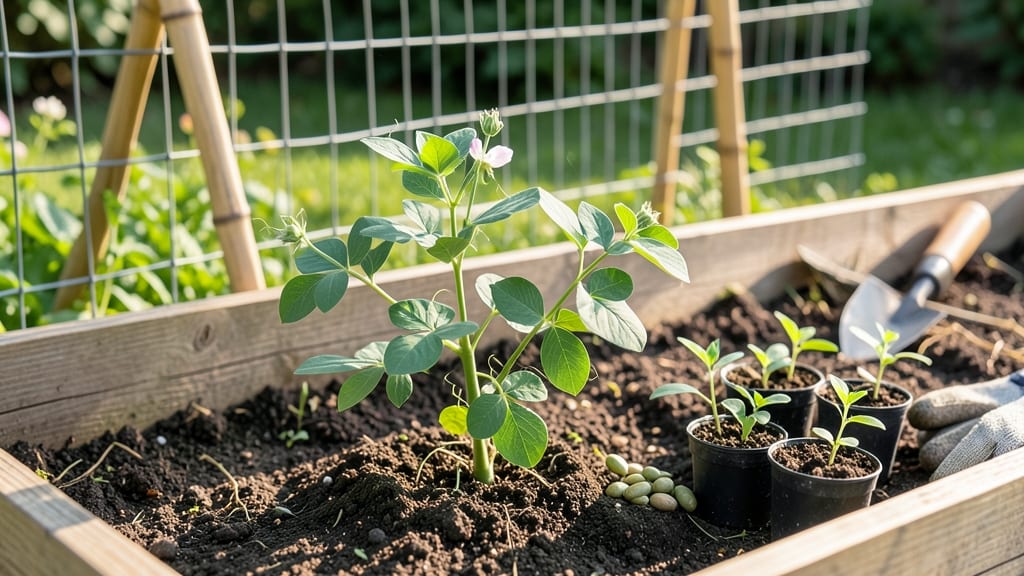
If you're wondering when to plant peas in Zone 5, timing is the secret to avoiding frost damage and enjoying a harvest that's both bountiful and delicious. The right window means the difference between crisp, sweet peas 🌱 and struggling plants that barely make it through spring's unpredictable chill.
Zone 5 gardeners know the struggle—plant too early, and cold soil can stall germination. Too late, and you miss the sweet spot before summer heat sets in. The key is understanding your last frost date and soil temperature, which can vary even within 5a and 5b subzones.
I'll break down exactly when to plant for both spring and fall harvests, so you can start strong and avoid common mistakes.
What you'll discover is that peas are surprisingly flexible in Zone 5. Whether you're growing sugar snap, snow peas, or shelling varieties, the right preparation—like choosing cold-hardy seeds and using row covers—can extend your growing season by weeks.
Let's get into the exact dates and pro tips that will make this your best pea season yet.
From soil prep to frost protection, I'll cover everything you need to know to time your planting perfectly. By the end, you'll have a clear plan to beat Zone 5's challenges and enjoy fresh peas straight from your garden. Ready to dig in?

Zone 5 pea planting calendar: exact dates by variety type
Timing your pea planting in Zone 5 means balancing frost risk with soil warmth—peas need 40-50°F soil to germinate but can’t handle late frosts. The best window is 4-6 weeks before your last frost date, typically mid-March to early April for most of Zone 5.
However, varieties differ: snow peas and snap peas tolerate cooler soil better than shelling peas, which need warmer conditions.
For a second harvest, late-summer planting (late August to early September) works if you use cold-hardy varieties like 'Green Arrow' or 'Oregon Sugar Pod.'
This extends your growing season into fall, but avoid planting too close to the first frost (mid-October in Zone 5), as peas need 60-75 days to mature. Always check your local frost dates—they can vary by 1-2 weeks even within the same zone.
Here’s how to match your pea variety to the perfect planting window in Zone 5:
If you’re in Zone 5a (colder end of the zone), aim for late April planting to avoid late spring frosts, which can devastate young pea plants. In Zone 5b, you can start as early as mid-March under row covers or in a greenhouse for a head start.
Always monitor soil temperature with a soil thermometer—peas won’t germinate well in soil below 40°F.
For fall planting, focus on late August to early September to give peas enough time to mature before the first frost. Choose fast-maturing varieties (under 60 days) like 'Little Marvel' or 'Sugar Sprint.'
Avoid planting after September 15th in most of Zone 5, as the growing season shortens rapidly. Use black plastic mulch to warm the soil and extend the harvest window by 1-2 weeks.
One common mistake in Zone 5 is planting peas too early in cold, wet soil, which leads to rot or poor germination. Wait until the soil is dry enough to crumble and at least 40°F before sowing.
If you’re unsure, do a soil test or use a moisture meter—peas hate soggy conditions. For container growing, use a fast-draining mix with compost to improve warmth and fertility.
In my garden, I’ve found that succession planting every 2 weeks from mid-April to early May gives me a steady supply of peas. Start with snow peas
How to time pea planting for Zone 5’s frost risk (with soil temperature guide)
Zone 5’s unpredictable spring frost can turn your pea dreams into a wintery disappointment if you plant too early. The key is waiting until soil temperatures hit 40°F (4°C)—cold enough for peas but not so chilly they rot.
Use a soil thermometer (just $10 at garden centers) to check before planting, especially in northern Zone 5b areas where frost lingers longer.
Most frost forecasts focus on air temperature, but soil temperature tells the real story for peas. For example, in Chicago (Zone 5a), soil may still be below 40°F in early March, while Cincinnati (Zone 5b) might reach ideal temps by late February.
Planting too soon in cold soil delays germination by weeks—or worse, causes seed rot.
Pea seeds planted in soil below 35°F (2°C) will fail to germinate. Even if they sprout, seedlings can’t survive 28°F (-2°C) without protection. Use row covers if planting early—just remove them during the day to prevent overheating.
For cold-hardy varieties like Sugar Snap or Green Arrow, you can push the envelope by planting 4-6 weeks before your last frost date. However, tender snow peas need to wait until soil is at least 45°F (7°C).
Check your USDA Zone 5a/b frost dates—typically mid-April to early May—and count backward from there.
Pro tip: If your area has late spring frosts (common in Michigan or Minnesota), opt for dwarf varieties like Little Marvel. They mature faster and are less vulnerable to frost damage. Pair this with black plastic mulch to warm soil by 5-10°F—a game-changer for early planting.
Don’t forget about late summer planting (August) for a fall harvest! Zone 5’s first frost usually hits mid-October, so peas sown in early August can produce pods by September or October. Just ensure they have 60+ days to mature before frost—most varieties meet this window.
Finally, monitor your local Almanac frost predictions or use apps like Farmers’ Almanac for real-time updates. In Zone 5, one late frost can wipe out unprotected pea plants—so when in doubt, wait a week and test that soil temperature again.
Your peas will thank you with sweet, abundant harvests instead of sad, frozen stalks. 🌱