
Plants
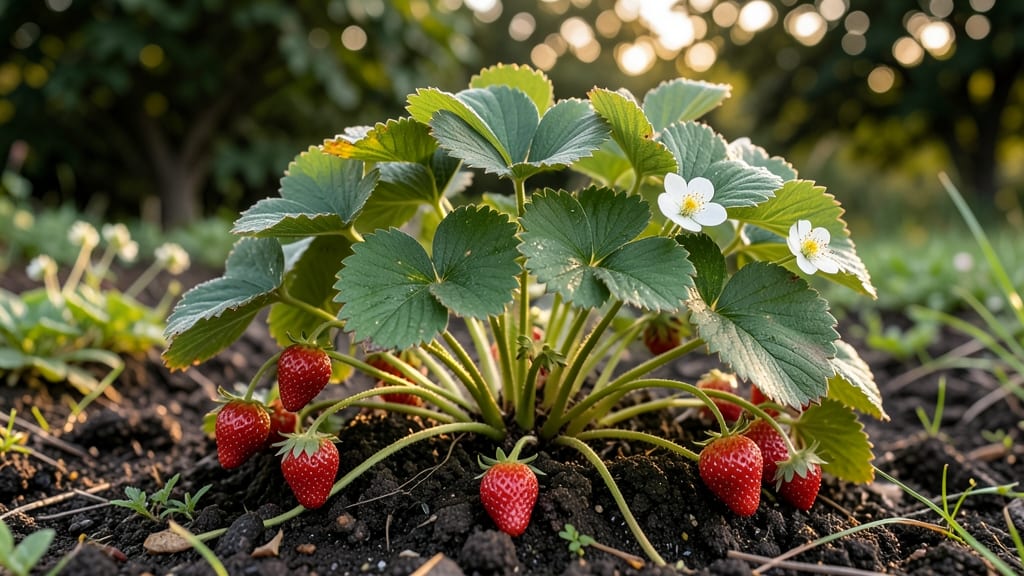
If you’ve ever wondered how tall does a strawberry plant grow, the answer might surprise you—because these sweet little plants aren’t just about their fruit! While most varieties stay compact, some can stretch surprisingly tall, especially if you’re not managing them properly.
Whether you’re planning a small container garden or a sprawling raised bed, knowing the right height for your strawberry patch is the key to happy plants and bountiful harvests.
Strawberries come in all shapes and sizes, from dwarf varieties that barely peek above the soil to taller everbearing types that send out long runners. June-bearing strawberries, for example, typically stay between 6 and 12 inches tall, while alpine strawberries might only reach 4 to 8 inches.
But here’s the catch: if you don’t prune or trellis them, those runners can turn your neat little patch into a wild tangle of vines—sometimes even 18 inches or more in height!
Getting the spacing right isn’t just about aesthetics—it’s about giving your strawberries room to breathe. Crowding them too closely can stunt growth, while giving them too much space might leave you with fewer berries.
I’ll walk you through the ideal distances for each type, plus how to train your plants to stay at their happiest height. Ready to turn your strawberry patch into a well-organized, high-yielding dream? Let’s dive in.
From choosing the right variety for your space to avoiding common mistakes that make your plants grow too tall or leggy, you’ll learn everything you need to keep your strawberries thriving.
And don’t worry—whether you’re a first-time gardener or a seasoned green thumb, these tips will help you grow strawberries that are just the right size for easy harvesting and maximum flavor. Let’s get growing!


Strawberry plant heights by variety: from dwarf to towering types
Strawberry plants may seem small, but their mature height and growth habits vary wildly between varieties. While most stay under 12 inches, some can stretch to 18 inches with long runners—this affects everything from spacing to trellising.
Knowing your variety’s height helps you design a patch that maximizes yield without crowding.
June-bearing strawberries, like Jewel or Chandler, typically grow 6-12 inches tall but send out long runners (up to 2 feet) that spread outward. Everbearing types, such as Albion or Seascape, stay slightly shorter (8-12 inches) but produce fruit in multiple flushes.
Day-neutral varieties like Ozark Beauty often grow 10-18 inches with bushier foliage.
Dwarf varieties, such as Alpine strawberries (4-8 inches tall), are perfect for containers or hanging baskets, while standard varieties like Sparkle can reach 18 inches when trellised. Understanding these differences ensures you allocate the right space and support structures for each type.
Here’s how plant height breaks down by category, including ideal spacing and care tips to keep them healthy and productive:
| Variety Type | Mature Height | Runner Length | Ideal Spacing | Best For |
|---|---|---|---|---|
| June-Bearing | 6–12 inches | 12–24 inches | 18–24 inches apart | In-ground beds, large containers |
| Everbearing | 8–12 inches | 12–18 inches | 12–18 inches apart | Containers, small gardens |
| Day-Neutral | 10–18 inches | 12–24 inches | 18–24 inches apart | Trellises, vertical gardens |
| Dwarf/Alpine | 4–8 inches | 6–12 inches | 6–12 inches apart (clusters) | Hanging baskets, windowsills |
June-bearing strawberries, like Chandler or Honeoye, prioritize height control because their energy goes into producing a single large harvest in early summer. Pruning runners early keeps their focus on fruit production rather than spreading.
Meanwhile, everbearing varieties like Seascape balance height and spread, making them ideal for small-space gardens or container growing.
Day-neutral strawberries, such as Ozark Beauty, often grow taller because they produce fruit continuously throughout the season. If you’re growing these in containers, use a smaller variety like Tristar (10–12 inches tall) to avoid overcrowding.
For in-ground planting, taller varieties benefit from trellising to keep fruits off the soil and improve air circulation.
One common misconception is that taller strawberry plants always mean more runners. In reality, height and spread are separate traits. For example, Alpine strawberries stay short but produce dense clusters of tiny runners, while June-bearing types may grow taller but send out longer, sparser runners.
Always check the variety’s description to match your garden’s layout.
Another factor affecting height is pruning practices. If you allow runners to grow unchecked, your strawberry plants may develop long, leggy stems that weaken the main plant. Regularly pinching back runners encourages a bushier, more compact growth habit, especially in everbearing varieties.
For June-bearing types, removing runners entirely in the first year helps the plant establish a strong root system for next season’s harvest.
For container growers, dwarf varieties like Mignonette or Tiny Tim thrive in 6-inch pots with minimal height. These varieties rarely exceed 8 inches and produce abundant fruit despite their small size.
If you’re growing taller varieties in containers, choose large pots (12+ inches deep) and use a support trellis to manage their height and weight.
Finally, remember that soil quality and sunlight exposure play a huge role in plant height. Strawberries grown in poor soil or shade often become leggy and tall as they stretch toward light.
Amend your soil with compost and ensure 6+ hours of full sun daily to keep plants compact and productive.
Strawberry plant heights by variety: from dwarf to towering types
Strawberry plants typically grow between 6 to 12 inches tall, but their height can vary dramatically depending on the variety and growing conditions. June-bearing types often reach the upper end of this range, while alpine strawberries stay compact.
Understanding these differences helps you plan your garden layout for maximum yield and easy maintenance.
Most strawberries grow close to the ground, but their runners (stolons) can spread significantly wider, sometimes up to 3 feet or more. This horizontal growth is why proper spacing is just as important as height considerations.
Let's break down the height variations by popular strawberry types to help you choose the right varieties for your space.
| Variety Type | Mature Height | Runner Spread | Spacing Needs | Best For |
|---|---|---|---|---|
| June-Bearing | 10-18 inches | 2-3 feet | 18-24 inches apart | Large patches, high yield |
| Everbearing | 8-12 inches | 1-2 feet | 12-18 inches apart | Containers, small gardens |
| Day-Neutral | 6-12 inches | 1-2 feet | 12-16 inches apart | Extended harvests, trellising |
| Alpine | 4-8 inches | 6-12 inches | 6-8 inches apart | Rock gardens, fairy gardens |
June-bearing varieties like Jewel and Chandler tend to grow taller with thicker foliage, making them ideal for traditional in-ground planting. Their 10-18 inch height means you'll need to plan for taller berries that are easier to harvest from the ground.
These varieties produce a single large harvest in early summer, so their height supports heavy fruit production.
Everbearing varieties such as Seascape and Ozark Beauty stay more compact at 8-12 inches, making them perfect for containers or small-space gardens. Their moderate height allows for easier access to berries while still producing fruit throughout the growing season.
This makes them a favorite for balcony gardens and urban settings where space is limited.
Day-neutral varieties like Albion and Sequoia maintain a consistent 6-12 inch height, which is great for trellising to save space and improve air circulation. Their continuous blooming and fruiting habits make them excellent for extending your harvest season, and their manageable height keeps them accessible for regular maintenance.
Alpine strawberries are the smallest variety, typically reaching only 4-8 inches tall. These tiny plants are perfect for rock gardens, fairy gardens, or even as edging plants. Their compact size means they can be planted in tight clusters, creating a lush carpet of greenery with occasional strawberries peeking through.
This makes them ideal for decorative purposes as well as small-scale harvesting.
When planning your strawberry patch, remember that while the main plant height is important, the spread from runners often determines how much space you'll need. Proper spacing prevents overcrowding, which can lead to disease and reduced fruit quality.
Always leave room for these horizontal runners to spread naturally or guide them with barriers if needed.