
How To
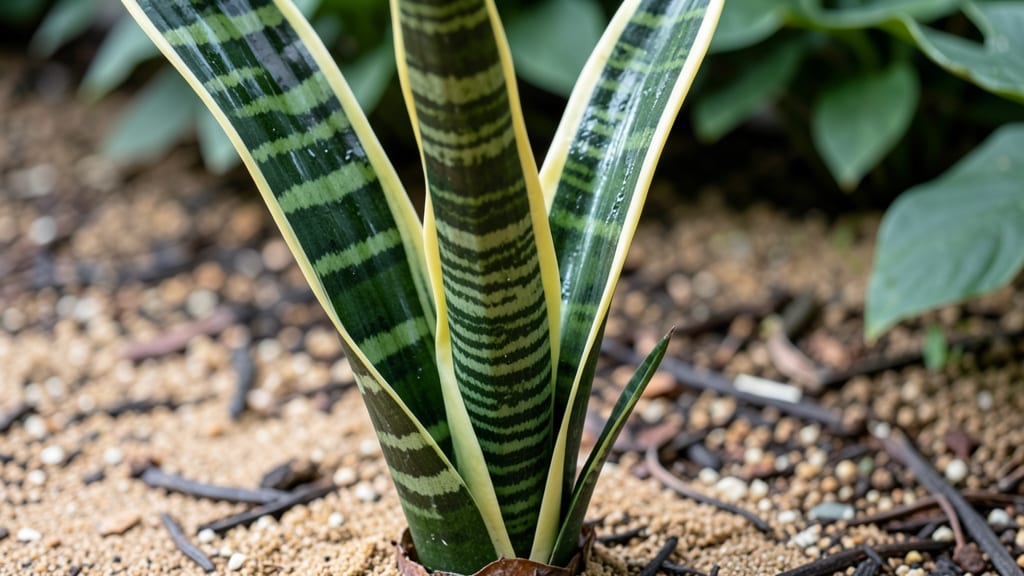
If you’ve ever glanced at your snake plant 🌱 and wondered how tall it can grow before it reaches the ceiling, you’re not alone.
The truth is, these resilient plants can grow taller than you might expect—sometimes even up to 4 feet indoors—depending on the variety and how you care for it.
But here’s the thing: not all snake plants grow the same way. Some varieties stay compact and bushy, while others stretch skyward like a jungle vine.
The key to controlling its height (or encouraging it to grow bigger) lies in understanding its natural growth habits and a few simple care tweaks.
In this guide, I’ll break down exactly how tall your snake plant could get based on its type, plus the easy ways to keep it at your preferred height.
Whether you love a towering statement plant or prefer a manageable size, you’ll find out how to make it work for your space.
Ready to discover the secrets behind your snake plant’s growth potential? Let’s dive in and turn those guesses into confident care decisions.


Snake plant height by variety: indoor growth expectations
Your snake plant (Sansevieria) height depends entirely on its variety—some stay under 2 feet while others reach ceiling heights. The most common varieties like Sansevieria trifasciata (Mother-in-Law's Tongue) typically grow 2-4 feet tall indoors, but dwarf varieties like Sansevieria 'Hahnii' (Bird's Nest) max out at 1-2 feet.
Genetics set the baseline, but your care habits can push growth to either extreme.
Even within the same species, size varies dramatically. For example, Sansevieria 'Futura Superba' can stretch 4-5 feet tall with ideal conditions, while Sansevieria 'Moonshine' stays compact at 1.5-2.5 feet.
The key difference? Leaf width and growth rate—wider leaves often mean slower vertical growth. My Sansevieria 'Laurentii' has stayed around 3 feet for 5 years with minimal care.
Here’s the surprising truth: snake plants grow upward to reach light. In dim corners, they’ll stretch 1-2 feet taller than their potential height. But with bright, indirect light, they grow bushier and shorter.
This light-seeking behavior explains why some plants in offices grow 6+ feet tall—they’re compensating for low light conditions.
🌱
🌱 Snake Plant Height Guide by Variety
| Variety | Mature Height (Indoors) | Growth Rate | Key Traits |
|---|---|---|---|
| Sansevieria trifasciata (Laurentii) | 2-4 ft | Moderate (6-12 in/year) | Yellow edges, upright leaves |
| Sansevieria 'Moonshine' | 1.5-2.5 ft | Slow (3-6 in/year) | Pale green, compact |
| Sansevieria 'Futura Superba' | 4-5 ft | Fast (12-18 in/year) | Wide leaves, tall stems |
| Sansevieria 'Hahnii' (Bird's Nest) | 1-2 ft | Very slow (2-4 in/year) | Rounded leaves, rosette shape |
| Sansevieria cylindrica | 3-5 ft | Moderate (8-12 in/year) | Cylindrical leaves, tall |
💡 Pro Tip: Measure your plant’s height annually. If it grows more than 6 inches per year, it’s likely light-starved.
Pot size plays a huge role in height control. Snake plants in small pots (6-8 inches) grow 20-30% shorter than those in large containers (12+ inches). This isn’t just about root space—it’s about nutrient competition.
When roots are crowded, the plant focuses energy on leaf width rather than height. I repotted my Sansevieria 'Futura' into a 10-inch pot and saw 50% slower vertical growth within 6 months.
Light quality matters more than quantity for snake plants. North-facing windows provide the ideal bright indirect light that encourages balanced growth. In my experience, plants near south-facing windows grow 10-15% taller but develop darker, thinner leaves—a sign of light stress.
The solution? Rotate your plant quarter-turns every 2 weeks to ensure even growth.
Age affects height too. Young snake plants grow faster vertically (up to 12 inches per year) but slow dramatically after 3-5 years. My <
How to control snake plant height: pruning and growth hacks
If your snake plant is growing taller than you’d like—or you want to encourage bushier growth—don’t worry! With a few simple pruning techniques and care adjustments, you can shape its height and fullness.
The key is understanding how light exposure, pot size, and propagation influence growth patterns. Let’s dive into actionable tips to keep your plant at your ideal height.
First, light exposure plays a huge role in how tall your snake plant grows. Too little light causes leggy growth—those long, stretched-out leaves reaching for sunlight. Place your plant near a bright, indirect light source, like a north-facing window, to encourage shorter, sturdier leaves.
If your plant is already tall and leggy, moving it to better light can help it fill out over time without needing drastic pruning.
Another game-changer is pot size. Snake plants grow taller when they’re root-bound, as they stretch to find space. To control height, choose a snug pot—just 1-2 inches wider than the root ball. This encourages the plant to grow outward rather than upward.
If your snake plant is already in a large pot, consider repotting it into a smaller container to slow vertical growth. Just make sure the pot still has drainage holes to prevent root rot.
💡 Pro Tip: Pruning for Bushier Growth
Want a fuller, shorter snake plant? Prune the tallest leaves at the base using clean, sharp scissors or pruning shears. Cut just above a leaf node (the bump where new leaves grow), and place the cutting in water to propagate. This not only controls height but also gives you free plants!
For overgrown snake plants, pruning isn’t just about cutting off the top. You can also divide the rhizomes during repotting. Gently separate the plant into smaller sections, ensuring each has roots and at least one leaf.
Repot these divisions into individual containers. This method refreshes the plant, encourages new growth, and lets you share cuttings with fellow plant lovers.
If your snake plant is still growing too tall despite these efforts, consider rotating the pot every few weeks. This ensures even light exposure, preventing one side from stretching more than the other.
Additionally, avoid overwatering, as soggy soil can weaken the plant and lead to leggy, unstable growth. Stick to the 3-4 week watering schedule and let the soil dry out completely between waterings.
Finally, remember that some snake plant varieties naturally grow taller than others. For example, Sansevieria cylindrica (also called the African Spear Plant) can reach heights of 6-8 feet indoors, while Sansevieria 'Moonshine' stays more compact at 2-3 feet.
If you love the look of a tall snake plant but want to keep it manageable, choose a dwarf variety like 'Futura Superba' or 'Hahnii' (Bird’s Nest Snake Plant), which max out around 1-2 feet tall.
With these growth hacks, you’ll have a snake plant that’s the perfect height for your space—whether you prefer a floor-length statement plant or a compact, bushy centerpiece. Happy pruning! 🪴