
How To
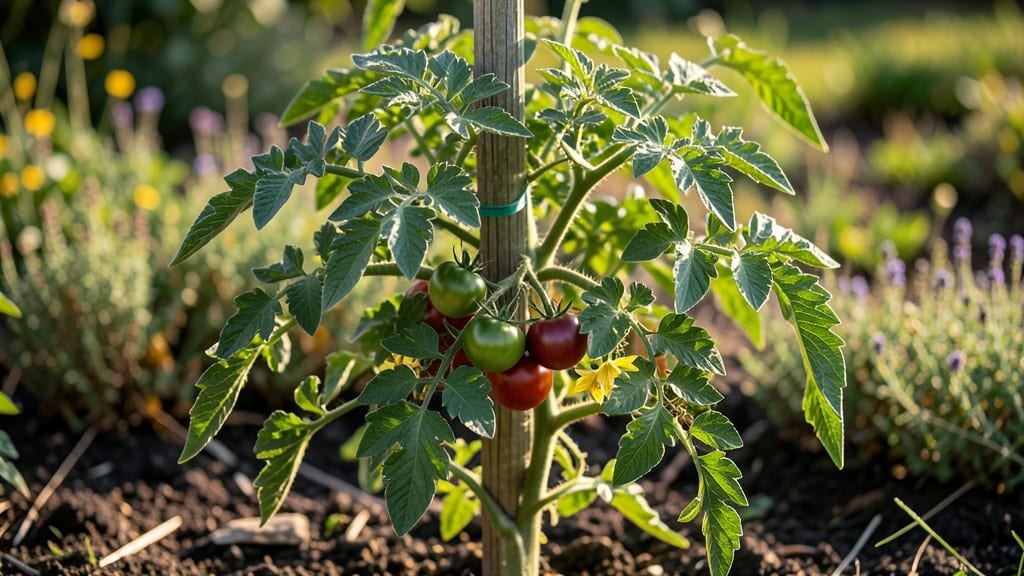
Wondering how tall does a Roma tomato plant grow before it starts producing those plump, meaty tomatoes you love? The answer might surprise you—these plants can reach 4 to 6 feet tall, but their growth habits depend entirely on whether you're growing a bush or vine variety.
That means your small balcony garden or backyard plot can handle them, with the right setup.
For gardeners working with limited space, this is great news—especially when you learn that dwarf Roma varieties stay between 2 to 3 feet, making them perfect for containers or tight garden beds.
But here’s the catch: indeterminate Roma tomatoes (the ones that keep growing) need support, while determinate types stay compact. Let’s break down what this means for your planting plan.
Whether you’re a first-time gardener or a seasoned pro, knowing your Roma tomato’s growth potential helps you space plants correctly, choose the right trellis, and even decide if you should prune for better airflow.
Skip this step, and you might end up with crowded plants that struggle to produce—or worse, miss out on a bumper harvest entirely.
Ready to maximize your space without sacrificing yield? I’ll walk you through everything you need to know—from trellising tricks to pruning tips—to keep your Roma tomato plants happy, healthy, and productive all season long. Let’s get growing!


Roma tomato plant height guide: determinate vs indeterminate growth explained
When planning your Roma tomato garden, knowing how tall these plants grow is crucial for spacing and support. Most Roma varieties reach 4 to 6 feet tall at maturity, but their growth habits vary dramatically between determinate and indeterminate types.
This difference isn’t just about height—it affects yield, pruning needs, and even how you’ll harvest those plump, meaty tomatoes.
The height of Roma tomato plants depends entirely on their growth type. Determinate varieties top out around 3 to 4 feet, making them ideal for containers or small gardens. Indeterminate types, however, can climb 6 feet or taller if given proper support, producing fruit all season long.
Understanding these differences helps you choose the right variety for your space and goals.
Here’s how the two growth habits compare—and why it matters for your garden layout:
| Growth Type | Height Range | Growth Habit | Best For | Pruning Needs |
|---|---|---|---|---|
| Determinate | 3–4 ft | Bushy, compact | Containers, small gardens | Minimal (remove suckers) |
| Indeterminate | 6+ ft (vining) | Tall, sprawling | Trellises, large gardens | Regular (prune suckers) |
If you’re growing Roma tomatoes in containers, opt for determinate varieties like ‘Roma VF’ (virus-resistant) or ‘Plum Regal,’ which stay under 3 feet tall. These are perfect for 5-gallon buckets or fabric grow bags with proper drainage.
For larger spaces, indeterminate types like ‘Roma Red’ or ‘Roma Super’ will reward you with continuous harvests if trained on a sturdy trellis or cage.
One common misconception is that all Roma tomatoes grow the same height. In reality, dwarf Roma varieties exist—some even reaching just 2 to 3 feet—while heirloom indeterminate types can stretch toward 8 feet if unchecked.
Always check the seed packet or plant tag for specifics, as this affects everything from staking needs to harvest timing.
For space-saving gardens, consider pruning techniques like the “Florida Weave” for indeterminate plants. This method involves weaving vines through a trellis to save space while keeping airflow strong—critical for preventing blossom end rot or fungal diseases.
Even determinate plants benefit from light pruning to improve air circulation around the fruit.
Pro tip: If your Roma tomato plants grow too tall for your space, don’t panic! You can top them at 4 feet to encourage bushier growth and earlier fruiting.
Just use clean, sharp pruning shears and seal cuts with cinnamon powder to prevent disease. This works especially well for container-grown plants where vertical space is limited.
Remember, the height of your Roma tomato plants isn’t set in stone—it’s influenced by factors like sunlight exposure, nutrient availability, and watering consistency. A plant getting 8+ hours of sun will naturally grow taller and produce more fruit than one in partial shade.
Adjust your care routine based on how your plants respond throughout the season.
For first-time growers, start with a determinate Roma variety in a 5-gallon container. This setup gives you control over height while still yielding 10–20 pounds of tomatoes per plant—enough for sauces, salsas, or sharing with neighbors.
Once you’re comfortable, experiment with indeterminate types and trellising for bigger harvests.
🌱
Roma tomato plant height guide: determinate vs indeterminate growth explained
Understanding whether your Roma tomatoes are determinate or indeterminate is the first step to planning your garden layout. These two growth types affect everything from plant height to harvest timing.
Determinate Roma varieties typically reach 3–5 feet tall, while indeterminate types can climb to 6 feet or taller with proper support. This difference isn’t just about space—it impacts how you’ll train, prune, and even harvest your plants.
Determinate Roma tomatoes grow in a bush-like shape and produce fruit all at once, making them perfect for container gardening or small spaces. Their compact size means you can plant them closer together, but they’ll stop growing once they flower.
Indeterminate varieties, on the other hand, keep growing and producing fruit until frost, but they need vertical support to handle their weight and reach their full 5–6 foot height.
Here’s how these growth habits break down in practice:
| Growth Type | Height Range | Growth Habit | Best For |
|---|---|---|---|
| Determinate | 3–5 feet | Bushy, compact | Containers, small gardens |
| Indeterminate | 5–6+ feet | Vining, continuous growth | Trellises, large gardens |
If you’re growing Roma tomatoes in containers, opt for determinate varieties to avoid overcrowding. These plants stay manageable in 5-gallon pots or larger, while indeterminate types will need larger containers (10+ gallons) or vertical trellises to thrive.
Even in ground gardens, indeterminate Roma tomatoes can sprawl if unsupported, leading to broken stems and lost fruit.
Pruning plays a huge role in managing height. For indeterminate varieties, I recommend pruning suckers (the shoots that grow between the main stem and branches) to encourage upward growth and better air circulation.
This keeps the plant focused on producing fruit rather than excessive foliage. For determinate types, minimal pruning is needed—just remove any yellowing leaves to redirect energy to the fruit.
One common misconception is that all Roma tomatoes are short and bushy. While many heirloom varieties fit this description, modern hybrids and indeterminate types can easily reach 6 feet or more.
Always check the seed packet or plant tag for specifics—this small step saves you from planning mistakes later in the season.
For maximum yield, match your Roma tomato’s growth type to your garden setup. Indeterminate varieties reward patience with a longer harvest season, while determinate types deliver a bountiful single harvest in a smaller footprint.
Either way, proper spacing and support will ensure your plants grow to their full potential—without taking over your garden! 🌱