
Size
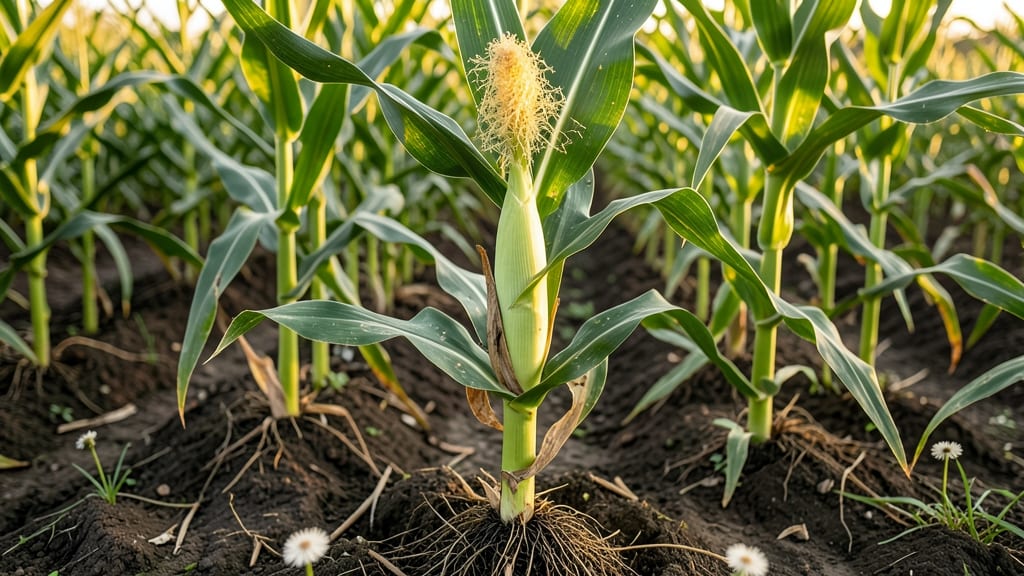
Ever wondered just how tall a corn plant can grow if given the perfect conditions? The answer might surprise you—some varieties stretch taller than you are, reaching heights that put basketball hoops to shame.
Growing corn that stands 10 to 12 feet tall (or even higher in rare cases) isn’t just about space—it’s about genetics, soil, and a little extra care.
Whether you’re aiming for a dramatic backyard feature or just curious about the limits of these stalks, understanding what makes them grow so tall is the first step.
In this guide, I’ll break down the science behind corn’s impressive height, share tips to encourage those extra inches, and help you decide if giant stalks are right for your garden. Ready to grow corn that feels like a small forest?
From selecting the right varieties to managing wind and pests, you’ll learn everything you need to turn your garden into a corn-filled skyline. Let’s get started!


Maximum corn plant height: records & common varieties explained
Corn plants can grow surprisingly tall—some varieties even reach heights that make them look like small trees! The average mature height for most sweet corn varieties falls between 6 and 12 feet, but with the right conditions and genetics, you can grow stalks that exceed 14 feet.
World records even show corn plants reaching over 18 feet tall, proving that with proper care, these plants can truly soar.
Several factors influence how tall your corn plants will grow, including genetics, sunlight exposure, soil fertility, and water availability. Tall varieties like 'Mammoth Melting' and 'Country Gentleman' are bred specifically for height, often reaching 10 to 14 feet when grown in ideal conditions.
These giants aren't just impressive—they can also serve as natural privacy screens or even windbreaks in your garden.
Here’s a quick look at some of the tallest corn varieties and their typical mature heights, along with other key details to help you plan your garden:
| Variety | Mature Height | Best For | Notes |
|---|---|---|---|
| Mammoth Melting | 12-14 ft | Privacy screens, novelty | Sweet, tender kernels; needs ample space. |
| Country Gentleman | 10-12 ft | Heirloom gardens, windbreaks | Hardy, drought-tolerant once established. |
| Lancaster Sure Crop | 8-10 ft | General gardening, early harvests | Reliable, good for smaller gardens. |
| Golden Bantam | 5-7 ft | Container gardening, kids' gardens | Dwarf variety; great for small spaces. |
| World Record (Experimental) | 18+ ft | Research, competitions | Requires ideal conditions, genetic modification, or hybrid vigor. |
If you're aiming for the tallest corn possible, focus on varieties like 'Mammoth Melting' or 'Country Gentleman', as they’re bred for height and vigor. However, keep in mind that taller corn plants may require more space, staking, and support to prevent lodging—especially in windy areas.
For smaller gardens or container growing, dwarf varieties like 'Golden Bantam' are a great alternative.
Genetics play a huge role in corn height. Hybrid varieties often outperform heirlooms because they combine the best traits from multiple parent plants, resulting in stronger, taller stalks. If you're experimenting with growing giant corn, consider starting with hybrid seeds designed for maximum height.
These varieties are typically more disease-resistant and productive, making them ideal for ambitious gardeners.
Climate also affects how tall your corn will grow. Corn thrives in warm, sunny conditions with 6 to 8 hours of direct sunlight daily. Regions with longer growing seasons, like the Southern U.S., often produce taller corn because the plants have more time to mature.
In cooler climates, like the Northern U.S. or Canada, you might see slightly shorter stalks unless you use early-maturing varieties or extend the season with row covers.
Soil fertility is another critical factor. Corn is a heavy feeder, especially during the vegetative growth stage when the stalks are elongating. Amend your soil with compost or well-rotted manure before planting to provide the necessary nutrients.
A soil test can help you determine if additional nitrogen, phosphorus, or potassium is needed to support tall growth. Without proper nutrition, your corn plants may struggle to reach their full height potential.
Lastly, watering plays a vital role in corn height. Corn plants need consistent moisture, especially during the tasseling and ear development stages. Deep watering 2 to 3 times per week ensures the roots grow strong and healthy, supporting taller stalks.
Avoid letting the soil dry out completely, as this can stunt growth and reduce yield.
Ready to grow your own towering corn? Start by choosing the right variety for your space and climate, then give your plants the care they need to reach new heights! 🌽
How to grow extra-tall corn: pro tips for giant stalks
Growing corn that reaches 10 feet or taller isn’t just for show—it’s a rewarding challenge that can yield impressive harvests. The secret lies in proper spacing, soil nutrition, and consistent care.
When corn plants have room to stretch and access to nutrients, they’ll grow taller than you might expect, sometimes even 14 feet or more with the right variety and conditions.
One of the biggest mistakes gardeners make is crowding corn plants. While it might seem efficient to pack them tightly, this actually stunts growth and reduces air circulation, inviting pests and diseases.
For towering corn, aim for 36+ inches between plants in rows spaced 3 feet apart. This gives roots room to spread and stalks space to reach their full potential.
Corn is a heavy feeder, meaning it craves nutrients—especially nitrogen for leafy growth and phosphorus for root development. Before planting, amend your soil with compost or aged manure to build a nutrient-rich foundation.
During the growing season, side-dress with a balanced fertilizer (10-10-10) when plants are knee-high to fuel their rapid ascent.
Watering plays a crucial role in height. Corn needs 1-2 inches of water per week, delivered deeply to encourage strong root systems. Morning watering is ideal—it reduces evaporation and fungal risks like corn smut. Avoid wetting the foliage, especially in humid climates, to prevent disease.
If you’re growing corn in windy areas, consider staking or trellising taller varieties to prevent lodging (when stalks bend or break under their own weight).
For the tallest corn possible, choose varieties bred for height, such as 'Mammoth Melting' or 'Country Gentleman'. These can reach 12-14 feet with proper care. However, remember that taller doesn’t always mean more productive—some dwarf varieties yield just as well in smaller spaces.
Balance your goals: Are you growing for height, harvest, or both?
Finally, monitor your corn for pests like corn earworms or aphids, which can weaken plants and stunt growth. Use row covers early in the season or introduce beneficial insects like ladybugs to keep pests in check naturally.
With the right conditions, your corn can grow taller than ever—turning your garden into a verdant corn tower that’s the talk of the neighborhood! 🌽