
How To
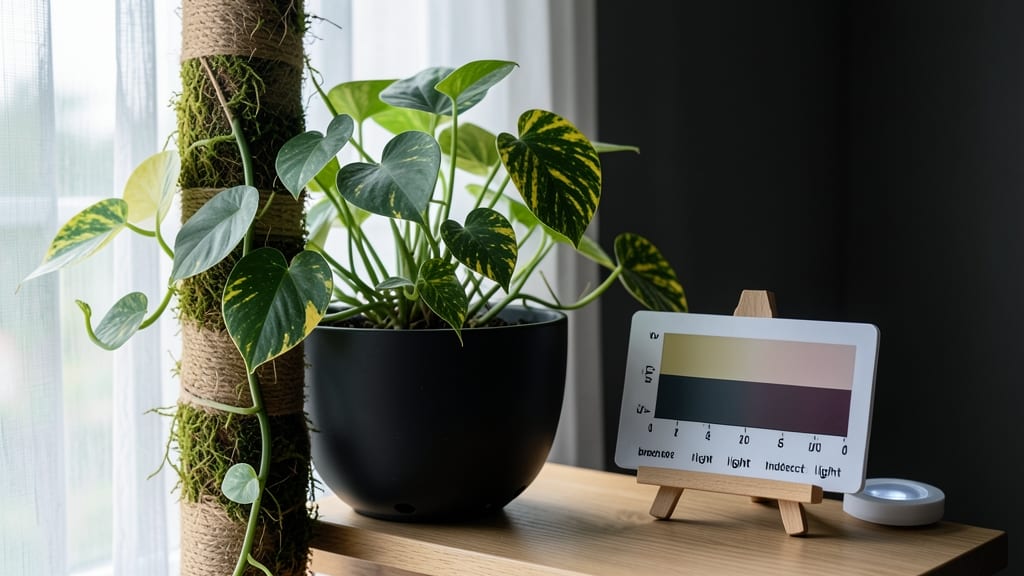
If you’re wondering how much light does a Chinese Money Plant need to thrive, the answer might surprise you—especially if your plant is looking leggy or sparse.
This hardy houseplant loves bright indirect sunlight, but too much direct sun or too little light can stunt its growth faster than you’d expect.
I’ve seen this happen more times than I can count—even experienced plant parents accidentally overlook how much light this particular Chinese Money Plant actually needs. The good news?
Fixing it is simpler than you think, and once you nail the lighting, you’ll see those round, coin-shaped leaves popping up like they’re supposed to.
In this guide, I’ll break down exactly how much light your Chinese Money Plant needs to stay happy, whether you’re placing it by a window or using grow lights. You’ll also learn how to spot signs of light stress and adjust before it’s too late.
Let’s get your plant the perfect lighting setup so it grows into that lush, eye-catching centerpiece you’ve been dreaming of.

Optimal light requirements for chinese money plant growth and leaf development
The Chinese Money Plant (Pachira aquatica) thrives in bright indirect sunlight, making it perfect for indoor spaces. Unlike sun-loving plants, it avoids harsh afternoon rays that can scorch its delicate leaves.
This tropical beauty naturally grows under dappled forest light, so mimicking those conditions is key to its success.
For best results, place your plant 2-3 feet from an east or north-facing window. These windows provide gentle morning light without the intense heat of southern or western exposures.
If you notice leaves turning pale or stretching toward the light, it’s a clear sign your plant needs more brightness—but not direct sun.
Here’s the science behind its light needs: The chlorophyll in Chinese Money Plant leaves absorbs blue and red light wavelengths most efficiently. These wavelengths (found in bright indirect light) fuel photosynthesis while preventing leaf burn. Without enough light, the plant stretches unnaturally—a condition called etiolation—to reach for more energy.
In outdoor settings (USDA Zone 6+), this plant can handle partial shade but prefers morning sun with afternoon shade. If grown outside, protect it from direct afternoon sunlight, which can cause leaf scorch.
Even in low-light conditions, it survives, but growth will be slower and leaves may lose their vibrant green color.
| Light Condition | Ideal Placement | Growth Impact |
|---|---|---|
| Bright Indirect Light | East/west-facing window, 2-3 ft away | Optimal leaf variegation, compact growth |
| Low Light (e.g., north window) | Near window but not direct | Slower growth, pale leaves, leggy stems |
| Direct Sunlight (afternoon) | Avoid south/west windows | Leaf scorch, brown edges, crispy texture |
| Artificial Grow Lights | 6-8 inches above plant, 12-14 hrs/day | Balanced growth in low-light spaces |
The leaf variegation in Chinese Money Plants (those stunning yellow or cream edges) is a direct result of light exposure. More light = more vibrant colors! If you’re growing a variegated variety, place it where it gets the most bright indirect light to enhance those striking patterns.
Even non-variegated types benefit from consistent light, producing darker, richer green leaves.
For urban gardeners or office workers, rotating your plant quarter-turns every 2-3 weeks ensures even light exposure. This prevents one side from becoming lopsided or stretching toward the window. Think of it like giving your plant a gentle sunbath—just enough to keep it happy without overdoing it.
Pro tip: If you’re unsure about your space’s light levels, use a light meter app to measure foot-candles. Aim for 500-1,000 foot-candles (bright indirect light range) for your Chinese Money Plant. Most office spaces fall into this range, making it a great low-maintenance office companion.
Remember, this plant is adaptable but not invincible. While it tolerates low light, pushing it too far in either direction (too dark or too bright) will stress it. The goal is balance: enough light for growth, but protection from harsh conditions.
With the right light, your Chinese Money Plant will reward you with lush, coin-shaped leaves and a sturdy, bushy form.
🌿
Optimal light requirements for chinese money plant growth and leaf development
The Chinese Money Plant (Pachira aquatica) thrives in bright indirect sunlight, making it perfect for east or north-facing windows. This tropical beauty tolerates low-light conditions but struggles in deep shade, where growth slows dramatically. The key is replicating its natural understory habitat—think dappled sunlight filtering through leaves.
For optimal leaf development, aim for 4-6 hours of bright indirect light daily. Too little light causes stretched, pale leaves, while too much direct sun leads to brown leaf tips.
Morning sun is ideal—it’s gentle and won’t scorch delicate foliage. South-facing windows work but require sheer curtains to diffuse harsh afternoon rays.
🌿 Chinese Money Plant Light Requirements Summary
| Requirement | Specification |
|---|---|
| Ideal Light Type | Bright Indirect (40% sunlight) |
| Daily Light Hours | 4-6 hours |
| Best Window Placement | East or North-facing |
| Distance from Window | 2-3 feet |
| Direct Sun Tolerance | Morning only (max 2 hours) |
Notice how leaf variegation intensifies with proper light exposure? The golden-green hues on mature leaves develop best under moderate brightness. In dim corners, leaves revert to plain green—a clear sign your plant is light-deprived. Rotate your plant quarter-turns weekly to ensure even growth and prevent lopsided development.
Outdoor gardeners can place Chinese Money Plants in partial shade gardens during summer, shielding them from midday sun (10 AM–4 PM). In winter, bring potted plants indoors before temperatures drop below 50°F, as cold drafts combined with low light stress the plant.
A south-facing patio with afternoon shade works well in mild climates.
Pro tip: Use a light meter app to measure foot-candles (ideal range: 500-1,000 fc). Most office spaces provide 200-500 fc, which is barely sufficient—supplement with a grow light if leaves start yellowing. The goal is to mimic the filtered sunlight of its tropical origins.
Remember, adaptability is your friend. If your plant shows signs of stress, gradually adjust light exposure over 2-3 weeks to avoid shock. Sudden changes can cause leaf drop or bud rot, so patience is key when fine-tuning the perfect spot. 🌱