
Plants
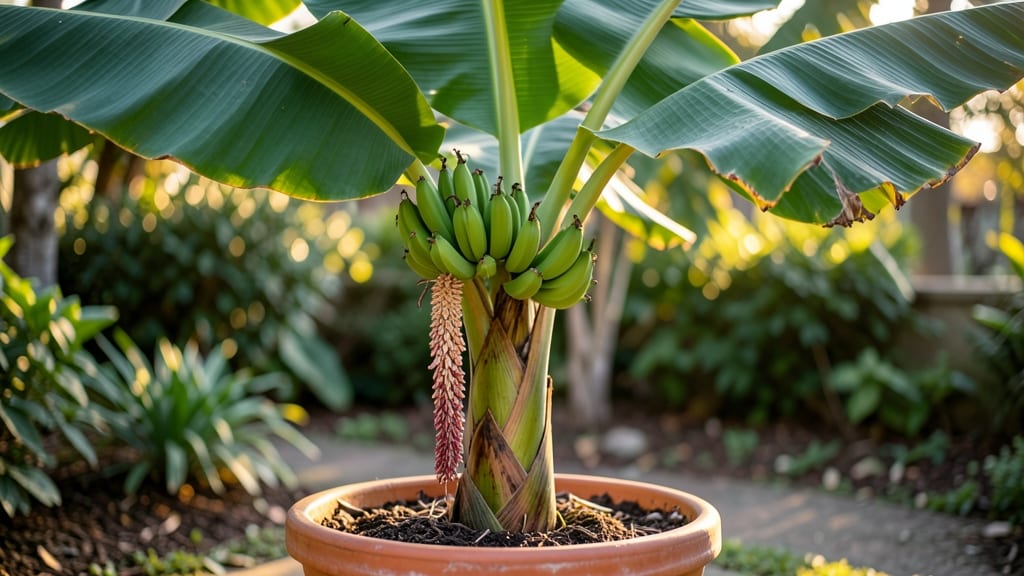
If your 🍌 banana plant is struggling to thrive indoors, you’re not alone—most people underestimate just how much light these tropical giants truly need. Unlike hardy houseplants, banana plants demand bright, indirect sunlight for at least 6-8 hours daily, or they’ll start yellowing, drooping, or growing weak stems.
The good news? With the right setup, you can mimic their natural habitat and watch your plant flourish.
Think fluorescent lighting is enough? Think again. Banana plants crave the intensity of direct sunlight, but even outdoor growers must balance exposure to avoid leaf scorch.
Whether you’re dealing with a south-facing window or a dim corner, I’ll show you how to tweak your space for optimal growth—no green thumb required.
From spotting light deficiencies (like slow growth or pale leaves) to choosing the best grow lights, this guide covers everything you need to keep your banana plant happy year-round. Let’s turn that wilting disappointment into a lush, leafy tropical star—starting with the light.
Ready to stop guessing and start growing? I’ll walk you through the exact light conditions your banana plant craves, plus pro tips for adjusting your home setup. Your plant’s future depends on getting this right—let’s make it easy.

Banana plant light requirements: the ideal sunlight balance for indoor growth
Banana plants (Musa spp.) are tropical powerhouses that crave sunlight like a sunbather craves a beach day. In their native habitats, they bask in 6-8 hours of direct sunlight daily, and replicating this indoors is key to their survival.
Without enough light, your plant will stretch pitifully toward windows, growing weak stems and sparse leaves—a condition called etiolation.
Think of sunlight as the plant’s energy drink. Too little, and it sluggishes; too much, and it gets sunburned leaves that crisp like overcooked bacon. The goal? Mimic the bright, indirect light of a tropical forest canopy.
South-facing windows are your best bet, but even then, you’ll need to rotate your plant every few weeks to prevent one-sided growth.
🌱
| Light Requirement | Indoor Solution | Signs of Issue |
|---|---|---|
| Direct Sunlight (6-8 hrs/day) | South-facing window or grow lights | Yellow/brown leaf tips (over-exposure) |
| Bright Indirect Light | East/west window + sheer curtain | Pale, stretched leaves (under-exposure) |
| Artificial Light (12+ hrs/day) | LED grow lights (5000K-6500K) | Slow growth, weak stems |
| Low Light (Fluorescent) | Not recommended (etiolation risk) | Leggy, weak growth (no fruiting) |
If you’re relying on natural light, a south-facing window is your golden ticket—especially in USDA Zones 9-11, where outdoor growth is possible. But if you’re in a north-facing apartment, you’ll need to supplement with LED grow lights (look for 5000K-6500K color temperature).
Place lights 6-12 inches above the plant and run them for 12-14 hours daily to mimic long tropical days.
Watch for leaf color changes—yellowing or brown edges mean too much direct sun, while pale, elongated leaves scream for more light. Rotate your plant quarter-turns weekly to ensure even growth.
And remember: heat stress from windows can be just as damaging as light deprivation, so keep temps between 70-85°F.
For dwarf varieties like Dwarf Cavendish, you can get away with slightly less light (4-6 hours), but they’ll still reward you with faster growth and larger fruit when given optimal conditions.
The trade-off? More light = more maintenance, but the payoff is a thriving, fruit-bearing banana plant that’ll make your indoor jungle the envy of the neighborhood.
☀️
Pro tip: Use a light meter (or your phone’s lux app) to measure light levels. Aim for 10,000-15,000 lux—any lower, and your banana plant will start to stretch like a sleepy cat.
If your home falls short, invest in a full-spectrum LED grow light—it’s the next best thing to a tropical paradise.
Lastly, seasonal adjustments are key. In winter, shorter days mean you’ll need to extend light exposure with grow lights or move your plant to the brightest window. Conversely, summer’s intense rays might require afternoon shade to prevent leaf scorch. Balance is everything!
🌿
How to adjust your home’s lighting for a banana plant’s needs
Banana plants thrive under bright, indirect sunlight, but most homes can’t replicate their tropical habitat. The key is combining natural light with smart artificial solutions to create the perfect balance.
Start by placing your plant near a south-facing window, where it can soak up the most sunlight between 10 AM and 4 PM. If your home lacks natural light, don’t panic—LED grow lights can fill the gap.
For indoor growers, a 12-hour light cycle mimics natural daylight and prevents leggy growth. Position lights about 6-12 inches above the plant and use a timer to automate on/off cycles. This consistency tricks your banana plant into thinking it’s in its native environment, even in a dim corner.
Rotate the pot weekly to ensure even growth, as plants lean toward their light source.
✅ Free and abundant
✅ Mimics outdoor conditions
❌ Limited to window placement
✅ Full control over intensity/duration
✅ Works in any location
❌ Requires initial investment
If your banana plant shows signs of light stress, like crispy leaf edges or slow growth, it’s time to adjust. Move it closer to the window or increase artificial light exposure gradually.
Avoid sudden changes—banana plants hate shock. For dwarf varieties, even 4-6 hours of bright light can suffice, but standard types need 8+ hours daily to flourish.
Watch for heat stress near windows, especially in summer. If leaves feel warm or wilt slightly, create a buffer with a sheer curtain. This diffuses harsh rays while still allowing light penetration. In winter, supplement with a full-spectrum LED bulb (6000K color temperature) to maintain energy levels during shorter days.
For container growers, rotate pots weekly to prevent uneven growth toward the light. This simple habit ensures your banana plant grows straight and sturdy. Pair this with weekly misting to keep humidity high—banana plants love 60-80% humidity, which artificial lights can dry out.
Remember, consistency is key. Banana plants adapt to stable light conditions but struggle with fluctuations. If you notice new leaves turning pale or yellow, it’s a cry for more light.
Conversely, brown leaf tips signal too much direct sun. Adjust gradually, and soon you’ll have a thriving tropical beauty right in your living room. 🌿