
Plants
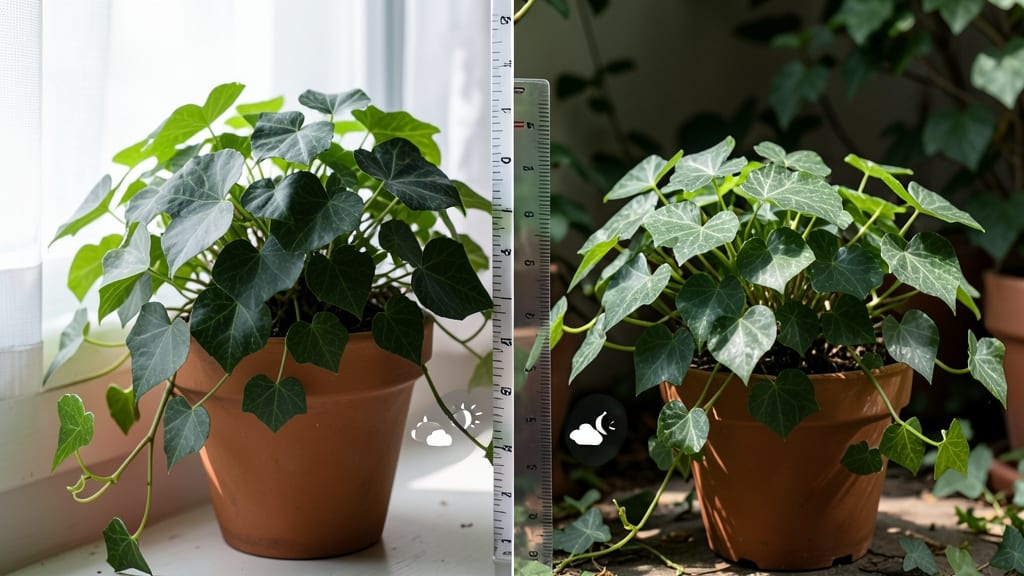
If your 🌿 ivy plant looks tired or stops growing, chances are it’s not getting how much light does an ivy plant need—and that’s easy to fix. Unlike sun-loving plants, ivy thrives in bright but indirect sunlight, making it perfect for homes with limited direct light.
Too much sun? Watch for crispy edges. Too little? You’ll spot leggy stems and pale leaves.
The secret to keeping ivy happy is understanding its flexible light needs. While it can handle low-light spots, it won’t reach its full potential without enough brightness.
Whether you’re growing it indoors near a window or outdoors in partial shade, small adjustments can make a big difference in how fast and lush it grows.
I’ll walk you through exactly how much light ivy needs—from the ideal bright indirect sunlight to signs your plant is begging for more (or less). By the end, you’ll know where to place your ivy for the best results, no guesswork required.
Ready to transform your ivy from struggling to stunning? Let’s dive into the light conditions that’ll keep your plant thriving all year round.

Ideal light requirements for healthy ivy growth: bright to medium indirect sunlight explained
Ivy plants are famously adaptable, but their light needs are the foundation of their health. Too little light, and you’ll end up with leggy, sparse growth—too much, and those gorgeous leaves will scorch.
The sweet spot? Bright to medium indirect sunlight, which mimics their natural habitat under forest canopies or along shaded walls.
Most ivy varieties thrive with 2 to 6 hours of filtered sunlight daily. Think of it as the golden rule: if you can read a book comfortably under the same light, your ivy will likely love it.
Direct midday sun (12 PM–3 PM) is a no-go for most types, especially English ivy, which can develop brown leaf tips or crispy edges when exposed too long.
Here’s how to translate that into real-world scenarios: A north-facing window is ideal for indoor ivy, offering gentle morning light without harsh afternoon rays. Outdoors, ivy flourishes under dappled shade, like beneath a tree with sparse branches or on a northeast-facing wall.
Even a sheer curtain can diffuse light enough to prevent sunburn.
| Light Condition | Description | Ivy Response | Best For |
|---|---|---|---|
| Bright Indirect Light | Sunlight filtered through sheer curtains or trees (e.g., east or north window) | Healthy growth, vibrant leaves, compact vines | Indoor pots, shaded patios |
| Medium Indirect Light | Dappled shade (e.g., under tree canopies, 20–50% shade cloth) | Slower growth, darker foliage, sturdy stems | Outdoor walls, forest edges |
| Low Light (<3 hrs) | Dim corners, west-facing windows with no direct sun | Leggy stems, pale leaves, weak attachment to supports | Offices, basements (supplement with grow lights) |
| Direct Sunlight | >6 hrs/day (e.g., south or west exposure without shade) | Brown/yellow leaves, sunburn, stunted growth | Avoid—use shade cloth if outdoors |
Pro tip: Rotate your ivy pot quarter-turn weekly to ensure even light exposure. This prevents one side from stretching toward the window while the other fades. For outdoor ivy, watch for seasonal shifts—summer’s intense sun might require temporary shade cloth (30–50% coverage) to protect delicate foliage.
Signs your ivy isn’t getting enough light? Look for yellowing leaves, elongated stems, and leaves that fail to climb properly. Too much light? Crispy edges, bleached spots, and a sudden growth halt are red flags.
Adjusting light is easier than you think—just move the plant closer to or farther from the window, or add a sheer curtain to diffuse harsh rays.
If you’re growing Swedish ivy (like Hedera helix ‘Gloire de Marseille’), it’s slightly more tolerant of bright indirect light and can handle up to 4 hours of morning sun.
Meanwhile, Hawaiian ivy (a trailing type) prefers the shadiest spots and may struggle with even moderate light. Knowing your variety’s preferences is half the battle!
For indoor growers, grow lights can be a game-changer in low-light spaces. A simple LED full-spectrum bulb (12–14 hours/day) placed 6–12 inches above the plant mimics natural light cycles. Just avoid placing it too close—heat stress is just as harmful as too little light.
Remember: Ivy’s flexibility is its superpower. With the right light, it’ll reward you with year-round greenery, whether cascading from a shelf or clinging to a trellis.
Start with bright indirect light, observe your plant’s response, and tweak as needed. Your ivy will thank you with lush, vibrant growth all season long. 🌿
How to adjust light conditions for different ivy varieties: English ivy vs. Swedish ivy vs. Hawaiian ivy
Not all ivy plants are created equal when it comes to light needs. While they all thrive in bright indirect sunlight, some varieties handle low-light conditions better than others. Understanding these differences helps you place each type perfectly in your home or garden.
For example, English ivy is the most adaptable, while Hawaiian ivy loves a bit more brightness to maintain its vibrant foliage.
Your ivy’s growth habit (trailing or climbing) also influences its light preferences. Trailing varieties like Swedish ivy often tolerate dimmer corners, whereas climbing types like Boston ivy need slightly more light to support their vigorous growth.
Let’s break down the specifics so you can match each variety to the perfect spot.
If your space lacks natural light, grow lights can be a game-changer for ivy care. Use full-spectrum LED grow lights placed 6-12 inches above the plant for 12-14 hours daily to mimic natural conditions.
For climbing varieties, ensure the light source is even to prevent one-sided growth, which can make stems weak or leggy.
For outdoor ivy, watch the seasonal light changes. In summer, provide afternoon shade with sheer curtains or a lightweight shade cloth to protect leaves from harsh rays. In winter, move potted ivy closer to south-facing windows or supplement with grow lights to maintain its health during shorter days.
Pro tip: Rotate your ivy plant every 2-4 weeks to ensure even light exposure on all sides. This simple step prevents uneven growth and keeps your ivy looking lush and symmetrical.
Whether you’re growing English ivy in a hanging basket or Hawaiian ivy on a trellis, adjusting light conditions based on the variety ensures your plant stays vibrant and healthy year-round.
For low-light lovers, Swedish ivy is your best bet—it thrives in spots where other plants struggle. Meanwhile, Hawaiian ivy rewards you with bold foliage when given enough brightness. Experiment with placement and observe how your ivy responds to find its perfect light balance.