
Plants
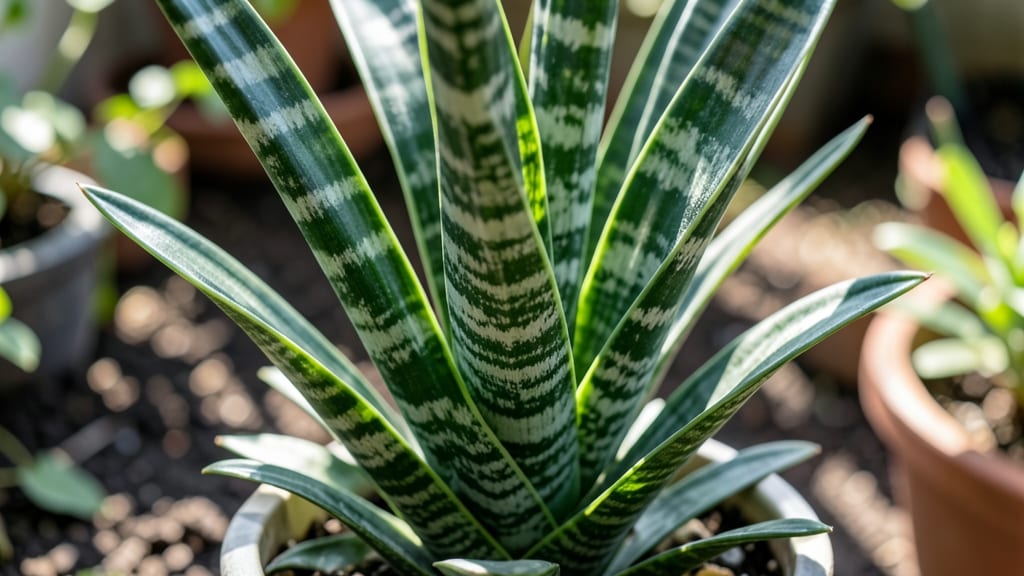
If you’ve ever wondered how much light does a snake plant require, you’re not alone—this resilient 🌱 thrives in conditions that surprise even seasoned plant parents. Unlike high-maintenance greens, snake plants are masters of adaptability, handling everything from dim offices to bright, indirect sunlight with ease.
The key to their success? Understanding their flexible light range. Too little light, and they’ll slow their growth (but rarely die). Too much direct sun, and those striking leaves can develop unsightly brown patches.
I’ll show you exactly where to place your plant—whether it’s basking near an east-facing window or surviving in a corner with just artificial glow.
What makes this even better? Snake plants don’t just tolerate low light—they purify the air while doing it. We’ll dive into the signs your plant is happy (or stressed) and how to tweak its environment for that perfect balance of growth and glow.
Ready to turn your snake plant into the low-effort, high-reward centerpiece of your space? Let’s get started with the light conditions that’ll keep it thriving for years.

Snake plant light requirements: the ideal range for healthy growth
Snake plants (Sansevieria) are famous for their low-light tolerance, making them perfect for busy households or offices with limited natural light. However, they actually prefer bright indirect light to thrive and grow strong.
The key is finding that sweet spot—too little light slows growth, while too much can scorch those striking leaves.
Most snake plants do well with 2-4 hours of indirect sunlight daily. This could mean placing them near an east-facing window (gentle morning sun) or 3-5 feet from a south-facing window with sheer curtains.
Their natural habitat in West African savannas means they’re adapted to dappled sunlight, not harsh midday rays.
Here’s the golden rule: if your snake plant’s leaves are yellowing or brown-tipped, it’s getting too much direct sun. Conversely, if growth stalls and leaves lose their vibrant green, it’s craving more light. The good news? They’re forgiving—even neglectful light conditions won’t kill them quickly.
| Light Condition | Ideal Placement | Growth Impact |
|---|---|---|
| Low Light (<2 hours) | North-facing windows, offices, hallways | Survives but grows slowly; leaves may pale |
| Bright Indirect Light (2-4 hours) | East/west windows, 3-5 ft from south window | Healthy growth; vibrant green leaves |
| Direct Sunlight (>4 hours) | South-facing windows without filters | Leaf burn; crispy brown edges |
| Artificial Light (LEDs/fluorescents) | Under grow lights 10-12 hours/day | Slower growth; may need supplement |
One common misconception is that all indirect light is equal. A north-facing window might offer only 1-2 hours of weak light, while a south-facing window with sheer curtains provides bright indirect light for 6+ hours.
Test your space: if your snake plant’s leaves are stretching toward the light (a sign of etiolation), it’s not getting enough.
For variegated snake plants (like 'Golden Hahnii'), bright indirect light is even more critical—their yellow stripes need light to stay vibrant. In low light, these varieties often revert to solid green, losing their prized pattern.
Think of variegated types as the divas of the snake plant world—they demand a little more TLC.
Pro tip: Rotate your snake plant quarter-turn every 2-3 months to ensure even growth. Since they grow toward light sources, one side can become lopsided if left stationary. This is especially important for taller varieties like 'Futura Superba', which can lean dramatically without rotation.
If you’re unsure about your space’s light levels, try the "shadow test": Place a white sheet near your plant’s spot at noon. If the shadow is sharp and dark, it’s too sunny.
If the shadow is faint or nonexistent, it’s perfect for a snake plant. For deep shade areas, supplement with a 10,000-lux LED grow light for 4-6 hours daily.
Remember, snake plants are drought-resistant, but their light needs are equally important. Balancing these two factors—moderate water and optimal light—will give you a snake plant that thrives for years with minimal effort. 🌿
How to adjust light for snake plants in different rooms
Adjusting light for your snake plant depends entirely on your home’s layout. Unlike high-maintenance plants, snake plants adapt well, but subtle tweaks can make a big difference in their growth speed and leaf health.
For example, a bedroom with minimal natural light might need a rotating schedule, while a sunroom could require strategic placement to avoid sunburn. Let’s break down the best approaches for common rooms.
In bathrooms or offices with fluorescent lighting, your snake plant will survive but may grow slower. Fluorescent bulbs don’t mimic natural sunlight, so supplement with a grow light for 4-6 hours daily if you notice stunted growth.
Place the plant 2-3 feet from the window or light source to balance exposure without stressing the leaves.
For kitchens or living rooms near south-facing windows, use a sheer curtain to diffuse direct sunlight. Without protection, leaves can develop brown tips or crispy edges—a clear sign of light stress.
Rotate your plant quarter-turns every 2 weeks to ensure even growth, as plants lean toward their light source over time.
- 📍 North Window: Place 2-3 feet away for bright indirect light—ideal for slow-growing varieties.
- 🌿 East/West Window: Rotate weekly to prevent leaning; avoid afternoon sun on west-facing sides.
- 💡 Fluorescent Rooms: Add a LED grow light for 6 hours/day if leaves turn pale or stretch.
- ☀️ South Window: Use a curtain to filter light; watch for yellow patches on leaves.
- 🌙 Low-Light Corners: Choose variegated varieties (like 'Moonshine')—they tolerate dimmer spaces better.
If your snake plant’s leaves develop dark brown spots or curled edges, it’s getting too much direct sun. Move it further back or add a light filter. Conversely, if leaves stretch tall and thin (a sign of etiolation), it’s begging for more light.
In these cases, a south-facing window with a sheer curtain often strikes the perfect balance.
Pro tip: Test your space by moving the plant temporarily. Observe its reaction over 2-4 weeks—healthy growth means you’ve nailed the light! Remember, snake plants are forgiving, but they’ll always reward you with lush, vibrant foliage when given the right conditions.
For office setups, place your snake plant near a desk lamp if natural light is limited. Even artificial light helps, but pair it with occasional fresh air to keep the plant thriving. With these adjustments, your snake plant will flourish in nearly any room—no green thumb required!