
Plants
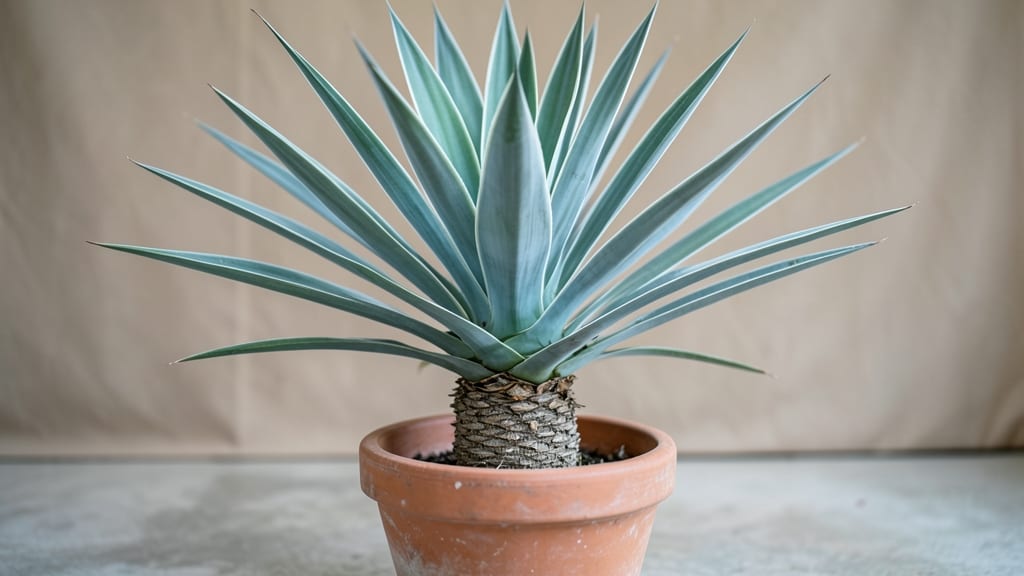
If your yucca plant 🌵 looks more like a sad, droopy stick than a striking desert beauty, the issue might be simpler than you think—it’s probably not getting the light it needs.
This hardy plant craves bright, direct sunlight, and when it doesn’t get it, growth slows, leaves yellow, and that signature architectural shape fades fast.
Most gardeners assume "full sun" means hours of harsh glare, but yuccas are smarter than that. They thrive with 6 hours of direct sunlight daily, whether it’s morning rays or golden afternoon light.
The key is consistency—too little, and they stretch awkwardly; too much, and those sharp leaves can scorch. Finding that sweet spot is easier than you’d expect.
Whether you’re planting in Zone 6a or a container on your patio, I’ll show you exactly where to place your yucca for maximum impact. No guesswork, just proven tips to turn that wilting 🌵 into a showstopper. Let’s get started.
You’ll also discover how to spot light-related stress before it’s permanent and adjust your setup in 3 simple steps. Trust me, once you nail the light, your yucca will reward you with bold foliage and that coveted desert vibe—no green thumb required.

Ideal sunlight requirements for yucca plants: 6 hours of direct sun daily
Yucca plants are sun worshippers, demanding 6+ hours of direct sunlight daily to thrive. Native to arid regions, they’ve evolved to bask in intense light, making them perfect for sunny gardens or containers.
Without enough light, they’ll stretch unnaturally or lose their striking blue-green foliage, turning dull and leggy. Think of sunlight as their energy drink—skip it, and they’ll struggle to survive.
The key is full sun exposure, meaning at least 6 hours of unfiltered sunlight between 10 AM and 4 PM. Yuccas can tolerate up to 8+ hours of direct sun, especially in cooler climates, but even they’ll appreciate a brief afternoon shade break in scorching summer heat.
This balance prevents leaf scorch while keeping their growth vigorous.
For indoor yuccas, place them near a south-facing window where they’ll receive the most light. If your home lacks natural sunlight, supplement with a grow light (12-14 hours daily) to mimic outdoor conditions. Without enough light indoors, yuccas become weak and prone to pests, so don’t skimp on brightness!
Seasonal adjustments are crucial. In spring and fall, yuccas thrive in full sun year-round, but during summer’s peak heat, provide afternoon shade (1 PM–5 PM) to prevent stress. In winter, they can handle shorter days, but keep them in the sunniest spot possible to maintain their health.
🌵 Pro Tip: Observe your yucca’s leaves—if they’re leaning toward the light, it’s not getting enough. Rotate the pot weekly to ensure even growth and prevent lopsided development.
🌱 Yucca Light Requirements Summary
| Requirement | Specification | Outdoor Spot |
|---|---|---|
| Minimum Daily Sun | 6+ hours direct | South-facing garden bed |
| Ideal Daily Sun | 8+ hours direct | Full sun patio |
| Summer Adjustment | Afternoon shade | Dappled shade 1 PM–5 PM |
| Indoor Light Source | South window or grow light | Near glass with no obstructions |
| Winter Light Needs | Max sunlight available | Sunniest indoor window |
💡 Note: Yuccas in containers dry out faster—place pots where they get unobstructed sun and avoid reflective surfaces that can burn leaves.
Not all yucca varieties have identical light needs. Yucca filamentosa (Adam’s needle) and Yucca gloriosa (Spanish dagger) are the most sun-tolerant, while Yucca elephantipes (spineless yucca) can handle slightly more shade (4–6 hours). Always check your specific variety’s care guide, but remember: more sun is better than too little.
If you’re unsure about your garden’s sunlight, use a simple test: Place a white piece of paper on the ground where you’d plant the yucca. If the shadow is shorter than the paper, it’s full sun. If the shadow is longer, it’s partial shade—move your yucca closer to the sun!
🌿 Warning: Avoid placing yuccas in reflective or glassy environments, like near windows or in urban areas with heat islands. The concentrated light can cause leaf burn, turning edges brown and crispy. A little shade cloth (30–50%) can help in extreme conditions.
Finally, remember that healthy yuccas grow slowly but steadily. If yours is stagnant, it’s likely not getting enough light. With the right sun exposure, your yucca will reward you with bold foliage, dramatic blooms, and a low-maintenance beauty that’s the star of any sunny spot.
Ideal sunlight requirements for yucca plants: 6 hours of direct sun daily
Yucca plants are sun worshippers, craving 6+ hours of direct sunlight daily to reach their full potential. Without enough light, they’ll stretch awkwardly toward any available rays—a condition called etiolation.
This weak growth makes them vulnerable to pests and diseases, so finding the sweet spot between too much and too little is key.
In nature, yuccas thrive in arid, desert climates where sunlight is intense. Mimic these conditions by placing your plant in the brightest spot available, whether that’s a south-facing garden bed or a sunny patio.
Even partial shade can slow their growth, so avoid spots under trees or near tall structures that cast long shadows.
🌵 Pro Tip: If you’re unsure about sunlight intensity, use a light meter or observe your plant’s leaves. Healthy yucca leaves should be upright and glossy, not drooping or pale.
Yuccas are surprisingly adaptable to seasonal changes, but their light needs shift slightly. During summer months, they can handle full sun all day, while winter’s weaker sunlight might require supplementing with a grow light if you’re growing indoors.
Even outdoors, watch for late afternoon sun in hot climates—it can scorch leaves if the plant isn’t acclimated.
For container-grown yuccas, rotate the pot every few weeks to ensure even light exposure on all sides. This prevents lopsided growth and keeps the plant compact and visually balanced. If you notice one side leaning toward the light, it’s a clear sign your yucca needs repositioning.
🌿 Fun Fact: Some yucca varieties, like Yucca filamentosa, can tolerate light frost but still require full sun to thrive. Their tough, sword-like leaves are nature’s way of saying, “I’m built for the sun!”
If your yucca starts showing signs of light stress—like yellowing leaves or stretched stems—don’t panic. Adjusting its location or adding a light source can often reverse the damage. The key is acting quickly before the plant becomes chronically weak.