
Plants
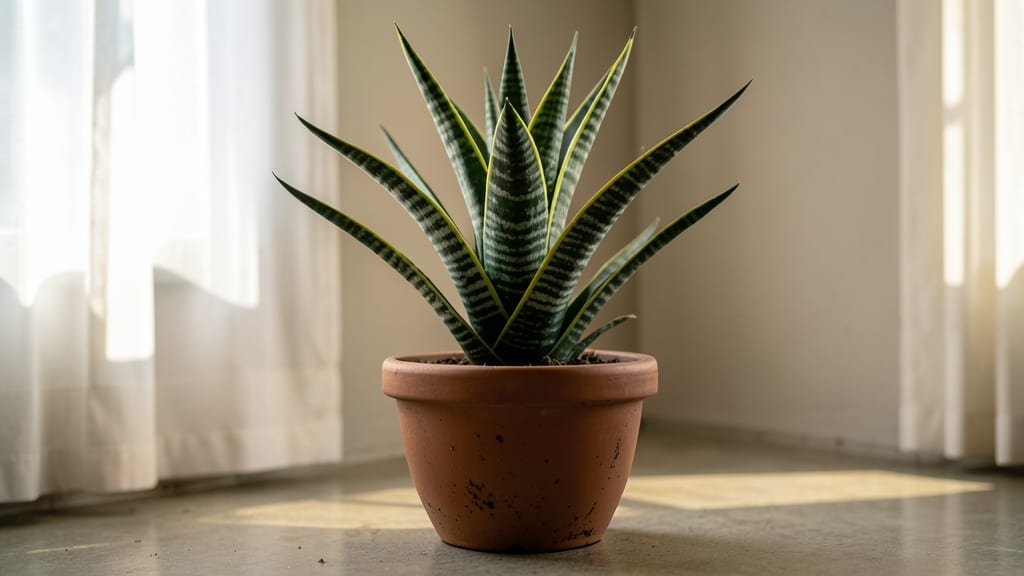
If you’re wondering how much light does a rattlesnake plant need, its striking black-and-white stripes are the first clue—when they fade or the leaves look dull, you’re likely dealing with the wrong lighting.
This tropical beauty thrives in bright indirect light, but too much direct sun or dim corners can turn its bold patterns into a sad, washed-out mess.
I’ve seen firsthand how just 4-6 hours of filtered light daily can transform a struggling rattlesnake plant into a showstopper. The key isn’t harsh sunlight—it’s mimicking its natural understory habitat where dappled rays keep leaves vibrant without scorching.
Let’s break down exactly where to place yours for those showcase-worthy stripes.
East-facing windows are the gold standard, but west-facing spots work too—just add a sheer curtain to diffuse the intensity. Artificial grow lights can step in when natural light falls short, especially in USDA Zone 6a winters.
I’ll show you how to spot the signs of light stress (like yellowing or crispy edges) and fix them fast.
Whether you’re dealing with leggy growth or faded patterns, this guide will help you dial in the perfect light setup. Your rattlesnake plant’s dramatic foliage deserves the spotlight—let’s make it happen.

Optimal light requirements for rattlesnake plant growth and stripe clarity
The rattlesnake plant (Calathea lancifolia) thrives in bright indirect light, where its iconic black-and-white stripes stay crisp and vibrant. Unlike sun-loving plants, this tropical beauty hates harsh afternoon rays—direct sun causes leaf scorch and dulls its patterns.
Think of its ideal spot as a dappled forest floor, where light filters through leaves but never burns.
Most growers hit the sweet spot with 4-6 hours of filtered light daily. This mimics its native understory habitat in South American rainforests. Too little light? The stripes fade to muddy gray.
Too much? You’ll see crispy brown edges on leaves. The key is balance—like Goldilocks, your rattlesnake plant wants its light "just right."
Here’s the science: Photosynthesis efficiency peaks at 10,000-15,000 lux (about 50% of full sunlight). At this level, chlorophyll production stays optimal, keeping those striking variegated leaves show-stopping. Below 5,000 lux, and you’ll notice stunted growth and pale stripes.
Fun fact: Rattlesnake plants are heliotropic—they grow toward light sources. If you notice all leaves leaning one way, it’s begging for a rotating light source or repositioning every few weeks to grow evenly. This movement isn’t just quirky behavior; it’s how the plant maximizes light absorption without risking damage.
| Light Condition | Lux Range | Leaf Impact | Growth Effect |
|---|---|---|---|
| Bright Indirect (Ideal) | 10,000-15,000 | Vibrant stripes, glossy | Compact, healthy |
| Low Light (<5,000 lux) | 5,000 or less | Dull stripes, pale | Leggy, slow growth |
| Direct Sun (Afternoon) | 20,000+ | Brown edges, crispy | Stunted, stressed |
| Morning Sun (Tolerated) | 15,000-20,000 | Minor flecking | Normal with acclimation |
Pro tip: If your rattlesnake plant is near a south-facing window, use a sheer curtain to diffuse harsh rays. I’ve seen dramatic improvements in leaf vibrancy within weeks after adding a light filter.
For indoor setups, place it 2-3 feet back from the glass—this creates that perfect filtered light effect.
Seasonal adjustments matter too. In summer’s intense light, move your plant further from windows or use a light diffuser. In winter’s low light, supplement with a 12-hour grow light (more on this in the next section). The goal? Keep those stunning stripes popping year-round.
Watch for leaf curling or drooping—these are classic signs of light stress. Your rattlesnake plant communicates through its foliage, so pay attention! With the right light, you’ll reward it with bold, healthy growth and leaves that look like they’re straight out of a botanical illustration.
Remember: Consistency is key. Sudden light changes (like moving from a dim office to a bright sunroom) can shock the plant. Transition slowly over 1-2 weeks to let it adjust. Patience here pays off with show-stopping foliage that turns heads.
🌿
Optimal light requirements for rattlesnake plant growth and stripe clarity
The rattlesnake plant (Calathea lancifolia) thrives in bright indirect light, mimicking its native tropical understory habitat. Too little light causes dull, faded stripes and slow growth, while too much direct sun leads to brown leaf tips and crispy edges.
Aim for 4-6 hours of filtered light daily—think dappled sunlight through sheer curtains or a north-facing window.
This plant’s striking black-and-white patterns actually rely on moderate light to develop fully. In low light, the stripes become washed out and grayish, while excessive direct sun can cause sunburn-like damage to the delicate foliage. The key is balancing intensity and duration—never place it in harsh afternoon rays.
🌱Pro Tip: Rotate your plant every few weeks to ensure even light exposure on all sides. This prevents lopsided growth and keeps those bold stripes crisp and defined.
| Light Condition | Ideal Duration | Effects on Plant |
|---|---|---|
| Bright Indirect Light | 4-6 hours daily | Vibrant stripes, healthy growth |
| Low Light | <2 hours daily | Dull stripes, leggy stems |
| Direct Sun | >2 hours daily | Brown tips, sunburn |
For indoor growers, east-facing windows are ideal—they provide gentle morning light without the harsh afternoon heat. If your rattlesnake plant sits in a west or south window, use a sheer curtain to diffuse the light and prevent leaf scorch.
In winter, supplement with a 12-hour grow light (6500K spectrum) to maintain its light needs.
Outdoor growers can place rattlesnake plants in partial shade gardens—underneath taller trees or on shaded patios. Just ensure they’re protected from midday sun, especially during summer months when UV intensity peaks. A 50% shade cloth works wonders for outdoor setups.
🌿Science Note: Rattlesnake plants are heliotropic, meaning their leaves follow light sources. If you notice leaves tilting toward one direction, it’s time to rotate the pot for balanced growth.