
Plants
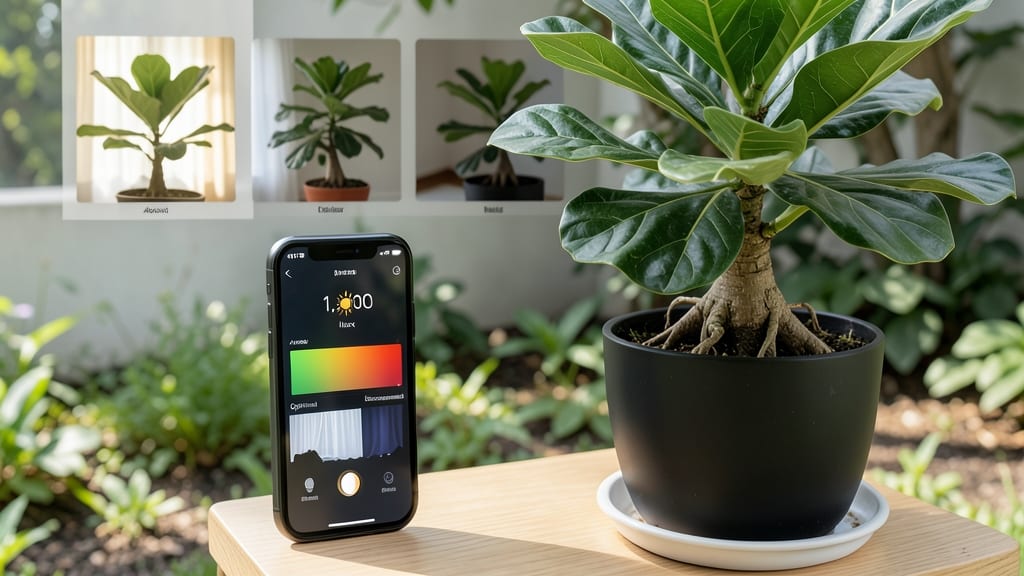
If your 🌿 ficus plant is struggling, you’re probably wondering how much light does a ficus plant need—and the answer might surprise you. Most people underestimate how much bright, indirect sunlight this tropical beauty actually craves.
The secret to keeping your ficus thriving lies in understanding its need for bright indirect sunlight, not harsh direct rays that can scorch its delicate leaves.
Ficus plants, whether it's the bold Ficus elastica or the graceful Ficus benjamina, thrive when placed where they can bask in gentle, filtered light for 4-6 hours daily.
Too little light leads to weak stems and sparse foliage, while too much direct sun causes crispy brown edges—neither of which you want for your leafy centerpiece.
Don’t worry if your home lacks natural light—we’ll cover how to mimic ideal conditions using sheer curtains, strategic window placement, and even grow lights. By the end, you’ll know exactly where to position your ficus for healthy, vibrant growth that lasts.
The key is balance, and once you master it, your ficus will reward you with glossy leaves and lush branches that make any space feel more alive. Let’s get started!

Ideal light requirements for ficus plants: bright indirect sunlight explained
Ficus plants thrive in bright indirect sunlight, which mimics their natural understory habitat. Too little light causes leaf drop and weak growth, while direct sun scorches delicate foliage. Understanding the light spectrum—from low to high intensity—helps you create the perfect environment for your plant.
Most ficus varieties, like the Ficus elastica (rubber plant) and Ficus benjamina (weeping fig), prefer 4-6 hours of filtered light daily. This means positioning them near windows with sheer curtains to soften harsh rays. Without this balance, your ficus may struggle to photosynthesize efficiently, leading to stunted growth.
Here’s how to visualize the ideal light conditions for your ficus:
| Light Intensity | Ficus Response | Best Placement |
|---|---|---|
| Low Light (<30% sunlight) | Leggy growth, yellow leaves, weak stems | North-facing windows or 6-8 feet from east/west windows |
| Medium Light (30-50% sunlight) | Healthy growth, vibrant foliage, compact shape | 2-3 feet from east or north windows |
| High Light (50-70% sunlight) | Leaf scorch, crispy edges, slowed growth | Avoid direct sun; use sheer curtains or move 4+ feet away |
| Direct Sunlight | Immediate leaf burn, wilting, brown patches | Never place in south-facing windows without diffusion |
Ficus species like Ficus lyrata (fiddle-leaf fig) are slightly more tolerant of low-light conditions than others, but even they thrive best with moderate indirect light. Pay attention to your plant’s leaf color: dark green leaves indicate healthy growth, while pale or yellowing leaves signal insufficient light.
If your ficus starts developing long, spindly stems (a condition called etiolation), it’s begging for more light. Rotate the pot quarter-turns every 2 weeks to ensure even exposure.
For indoor setups, south-facing windows can work if you place the plant 6+ feet away or use a sheer curtain to filter the light.
Outdoor ficus plants, like those in USDA Zone 10-11, can handle morning sun but require afternoon shade. If you’re growing a ficus outdoors in cooler climates, bring it inside before temperatures drop below 50°F to prevent light stress from cold drafts.
Watch for signs of light stress, such as brown leaf tips or curling leaves, which often indicate too much direct sunlight. Adjust placement immediately to prevent permanent damage. A simple test: If you can read a book comfortably near your ficus, the light is likely too dim.
For artificial lighting, LED grow lights with a 6500K color temperature work well, placed 12-18 inches above the plant for 12-14 hours daily. This mimics natural daylight cycles and is ideal for low-light apartments or winter months when sunlight is scarce.
Remember, consistency is key. Sudden changes in light exposure—like moving your ficus from a bright window to a dark corner—can cause shock. Gradual adjustments over 1-2 weeks help your plant adapt smoothly.
How to adjust your home’s lighting for a thriving ficus
Finding the perfect spot for your ficus plant starts with understanding how to manipulate natural light in your home. Unlike sun-loving succulents, ficus thrives in bright indirect light, which means you’ll need to strategically place it to mimic its natural tropical habitat.
Start by identifying the sunniest rooms in your home—east-facing windows offer gentle morning light, while north-facing windows provide consistent, diffused sunlight year-round.
If your home lacks ideal natural light, don’t worry—grow lights can be a game-changer. LED grow lights with a 5000-6500K color temperature mimic natural daylight and can be placed 12-18 inches above your ficus for 12-14 hours daily.
For indoor gardeners, a timer-controlled light ensures consistency, especially during shorter winter days when natural light dwindles.
🌱 Top Tips for Ficus Lighting
- Place near east or north windows for filtered light.
- Use sheer curtains to diffuse harsh afternoon sun.
- Rotate plant quarter-turn weekly for even growth.
- Supplement with grow lights 12-14 hours/day in low-light areas.
- Avoid south-facing windows without protection from direct rays.
Seasonal changes can drastically alter your ficus’s light needs. During summer months, when sunlight is intense, move your plant further from windows or add a sheer curtain to prevent leaf scorch.
In contrast, winter’s shorter days may require supplementing with artificial light to maintain the 4-6 hours of indirect light your ficus craves. Monitor your plant’s leaves—yellowing or drooping signals it’s not getting enough light, while brown tips or crispy edges mean it’s receiving too much.
For those with west-facing windows, be extra cautious—afternoon sun can be brutal. Test the light intensity by holding your hand near the window; if you can’t comfortably keep it there for 10 minutes, the light is too harsh.
In such cases, position your ficus at least 6 feet away from the window or use a light filter film on the glass. This simple adjustment can prevent sunburned leaves and keep your ficus lush and green.
Pro tip: If you notice your ficus stretching toward the light (a condition called etiolation), it’s begging for more brightness. Gradually introduce it to a sunnier spot over 1-2 weeks to avoid shocking its leaves.
Similarly, if you bring a ficus indoors from a bright outdoor spot, acclimate it slowly to prevent leaf drop due to sudden light changes. Patience and observation are key—your ficus will thank you with vibrant, healthy foliage.
Remember, every home’s lighting is unique. Experiment with different placements and observe how your ficus responds. With the right balance of natural and artificial light, your ficus will flourish year-round, becoming the centerpiece of your indoor jungle. 🌿