
Plants
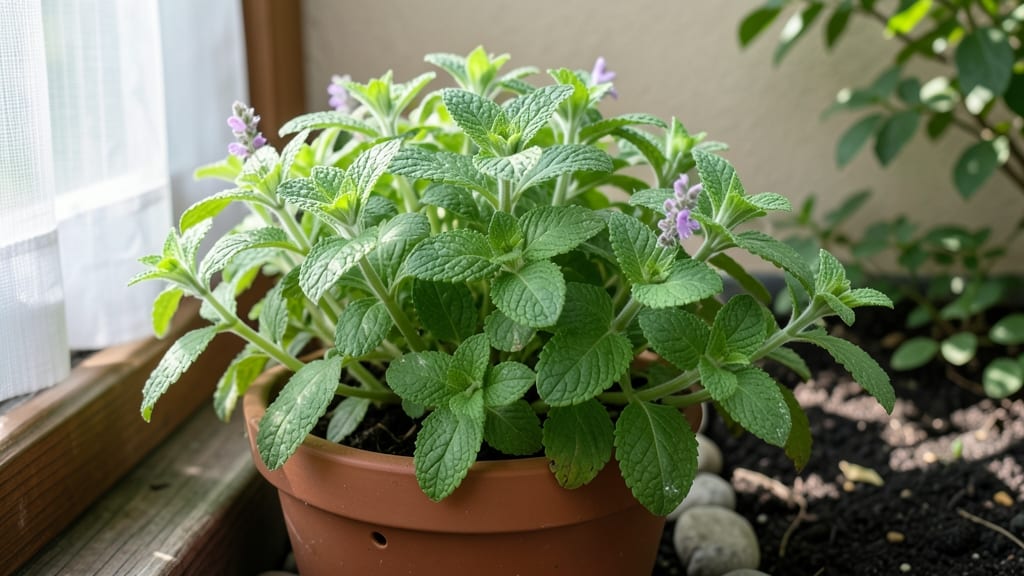
If you’re wondering how much light does a mint plant need to thrive, the answer is simpler than you think: too much sun scorches the leaves, while too little leaves you with weak stems and sparse foliage.
The sweet spot? Bright, indirect light—think dappled shade or an east-facing window—where mint thrives without stress.
You don’t need to be a gardening expert to get this right. Mint is forgiving, but it does have preferences: 4 to 6 hours of filtered sunlight daily keeps it happy, whether you’re growing it in pots on a windowsill or tucked into a shady garden bed.
Skip the harsh afternoon rays, and watch your plant reward you with vibrant, flavorful leaves.
Here’s the game-changer: even indoor mint can struggle if placed too far from light. Leggy stems or pale leaves? It’s begging for more brightness. I’ll show you how to spot the signs, adjust your setup, and keep your mint lush—no guesswork involved.
Ready to fix those floppy stems and bitter flavors? Let’s dive into the exact light conditions your mint craves, plus pro tips for positioning it like a seasoned gardener. Your kitchen (and tea time) will thank you.

Ideal light requirements for mint plants: bright indirect sun explained
Mint plants thrive in bright indirect sunlight, making them perfect for kitchens or shaded garden spots. Unlike sun-loving herbs, mint burns easily in direct afternoon rays. Aim for 4-6 hours of filtered light daily—think dappled shade under trees or an east-facing window.
This balance keeps leaves vibrant and flavorful while preventing the bitter taste that comes from too much sun.
If you're growing mint outdoors, place it where it gets morning sun and afternoon shade. A north-facing garden bed or a spot under a patio umbrella works beautifully.
For container growers, rotate pots weekly to ensure even light exposure. Without proper light, mint stretches toward any available rays, creating long, leggy stems and weak leaves.
Indoor mint often struggles with low-light conditions, especially in west-facing rooms where afternoon sun scalds leaves. If your home lacks natural light, supplement with a grow light 6-12 inches above the plant for 12-14 hours daily.
LED grow lights are energy-efficient and mimic natural sunlight perfectly. Avoid placing mint near drafty windows or air vents, as temperature fluctuations stress the plant.
| Light Requirement | Specification | Signs of Issue |
|---|---|---|
| Bright Indirect Light | 4-6 hours daily | Dark green leaves, strong aroma |
| Morning Sun | 2-4 hours (gentle) | Healthy growth, no leaf burn |
| Afternoon Sun | Avoid direct exposure | Brown/yellow leaf edges |
| Low Light | Less than 4 hours | Leggy stems, pale leaves |
| Full Sun | 6+ hours daily | Bitter taste, crispy leaves |
One common myth is that mint grows well in deep shade. While it tolerates shadier spots, prolonged low light leads to weak, sparse growth and reduced flavor.
If your mint is already in a shady spot, gradually introduce more light by moving it closer to a window over 1-2 weeks. Sudden exposure to bright light can cause leaf scorch, so acclimate plants slowly.
For outdoor gardeners, mulch around mint plants with straw or wood chips to reflect extra light onto the soil surface. This subtle trick boosts root health without increasing leaf exposure.
In containers, use light-colored pots to maximize light absorption. Dark pots absorb heat, which can stress mint roots during hot afternoons.
Watch for these visual cues to adjust light conditions: Yellowing leaves? Too much sun. Stretched stems reaching upward? Not enough light. The goal is consistent, gentle illumination that mirrors mint’s natural habitat near stream banks or forest edges.
With the right light, your mint will reward you with lush, aromatic leaves all season long.
Pro tip: Harvest mint leaves in the morning after watering when essential oils are at their peak. This ensures the best flavor for teas, cocktails, or cooking. Just remember—regular pruning encourages bushier growth, so don’t wait until the plant flowers to trim!
🌿
Ideal light requirements for mint plants: bright indirect sun explained
Mint thrives in bright indirect sunlight, making it perfect for kitchen windowsills or dappled garden spots. Too much direct sun scorches leaves, while too little causes stretched, pale growth. Aim for 4-6 hours of filtered light daily—think morning sun with afternoon shade.
Outdoor mint loves morning sunlight (6 AM–12 PM) paired with afternoon shade from trees or structures. Indoor plants near east-facing windows get ideal light without harsh afternoon rays. Avoid south-facing windows—intense light burns mint leaves.
| Light Condition | Daily Hours | Ideal Location | Signs of Stress |
|---|---|---|---|
| Bright Indirect | 4-6 hours | East window, dappled shade | Healthy dark green leaves |
| Full Sun | 6+ hours | South window, no shade | Brown leaf edges, wilting |
| Low Light | <2 hours | North window, deep shade | Leggy stems, pale leaves |
Mint’s light needs change with seasons. In summer, provide afternoon shade with a sheer curtain or move pots to partial shade outdoors. Winter’s weaker light means supplementing with a grow light 6 inches away for 12 hours daily.
Watch for yellowing leaves—a sign of too much sun—or stretched stems, meaning it’s reaching for light. Rotate container-grown mint quarterly to ensure even growth. A west-facing window works but risks afternoon heat stress.
For container gardening, place mint on a rotating plant stand to distribute light evenly. Outdoor gardeners should site mint 3-4 feet from taller plants to avoid competition while maintaining partial shade. Mulch with straw or wood chips to regulate soil temperature.
Remember: Mint’s flavor intensifies with proper light. Weak light produces milder, less aromatic leaves. Balance is key—bright but indirect sunlight keeps mint lush, flavorful, and ready for harvest year-round. 🌿