
Plants
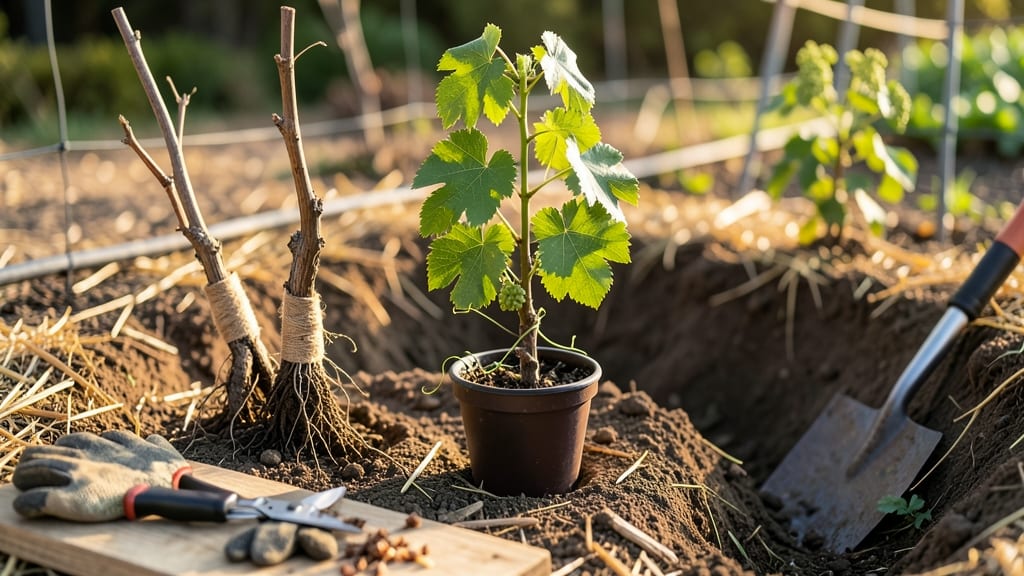
If you're dreaming of lush 🍇 grape vines heavy with Alabama-grown fruit, timing your planting could make or break your harvest. The late winter to early spring window isn't just a suggestion—it's the difference between thriving muscadines and struggling vines in your 7a-8b climate.
Alabama's unique heat zones demand precision, especially when working with varieties like muscadines that love warmth but hate late frosts. Plant too early, and your young vines might get nipped by lingering cold snaps. Wait too long, and summer's intense heat could stress them before they even establish roots.
I'll walk you through the exact planting deadlines for your region, including how to prepare your soil and choose the right planting method—whether you're working with bare-root stock or potted vines.
You'll discover why March is the sweet spot for most Alabama growers and how to adjust if you're in a particularly warm microclimate.
By the end, you'll know exactly when to get those grapevines in the ground for maximum yield and minimum stress, plus how to avoid common mistakes that ruin Alabama grape harvests before they even begin.
Alabama heat zone deadlines for planting muscadine grapes
Alabama’s USDA zones 7a-8b offer perfect conditions for growing muscadine grapes, but planting at the wrong time can mean the difference between thriving vines and struggling plants. The key is understanding your last frost date (typically around March 15) and soil temperature thresholds.
Most Alabama gardeners should plant between late February and early April, but exact timing depends on your microclimate.
For bare-root vines, the ideal window is February through March when soil temperatures reach at least 50°F (10°C). Potted grapevines can be planted slightly later, up to mid-April, as long as nighttime temperatures stay above 40°F (4°C).
In northern Alabama (zone 7a), stick to the earlier end of this window, while southern areas (zone 8b) can plant up to mid-April without risk.
Mississippi’s frost-free season spans about 210 days, giving grapevines plenty of time to establish before winter. However, planting too early (before soil warms) can stunt root growth, while planting too late risks exposing young vines to spring frost or summer heat stress.
The optimal planting window balances these risks for maximum success.
Here’s how Alabama’s heat zones break down for grape planting:
If you’re planting bare-root vines, soak the roots in water for 2-4 hours before planting to rehydrate them. For potted grapevines, avoid planting when soil is waterlogged—Alabama’s clay-heavy soils can trap moisture, leading to root rot.
Amend planting holes with compost or sand to improve drainage, especially in low-lying areas.
Microclimates play a huge role in Alabama. If your garden sits in a valley or low spot, frost lingers longer—plant earlier. Conversely, south-facing slopes warm up faster, allowing you to plant up to 2 weeks later without risk.
Always check your local Alabama Cooperative Extension Service for updated frost data before planting.
One common mistake is planting too late in spring, which can leave vines vulnerable to summer heat stress. Muscadine grapes thrive with 6-8 hours of sunlight daily, but young vines planted in May or June may struggle to establish roots before Alabama’s intense summer heat sets in.
Aim to have vines 6-12 inches tall by June to ensure they’re ready for the heat.
For container-grown muscadines, the planting window extends slightly—you can plant up to May 15 in most of Alabama—as long as you use large pots (15+ gallons) and keep them in a protected microclimate. Just be prepared to move containers to a sheltered spot if a late frost is forecasted.
Finally, consider your grape variety. Muscadine grapes (like ‘Scuppernong’ or ‘Carlos’) are the most cold-hardy for Alabama and can handle our winters, but European varieties may need winter protection. Always choose disease-resistant rootstock like ‘41B’ or ‘101-14’ to improve success in Alabama’s humid climate.
Alabama heat zone deadlines for planting muscadine grapes
Alabama’s USDA zones 7a-8b mean your grapevines face a short but intense growing season—so nailing the planting window is everything. For muscadine grapes, the sweet spot is late winter to early spring, when soil temps hit 50°F+ and frost danger fades.
In most of Alabama, that’s February through March, but northern regions (like zone 7a) should wait until mid-March to avoid late frosts.
Bare-root vines are most common and thrive when planted while dormant but before buds swell. If you’re using potted grapes, you’ve got a little more flexibility—plant them anytime from February to May, as long as the ground isn’t frozen.
Just avoid summer planting, which stresses vines in Alabama’s brutal heat.
Here’s the critical timeline to remember: Last frost dates in Alabama range from mid-March in the north to early March in the south. Planting 4-6 weeks before your last frost gives roots time to establish before the heat kicks in.
For example, if your last frost is March 20, aim for February 15-25.
| Zone | Ideal Planting Window | Soil Temp Threshold | Key Consideration |
|---|---|---|---|
| 7a (North AL) | Mid-March to early April | 50°F+ | Wait for last frost (after March 15) |
| 7b (Central AL) | Late February to March | 50°F+ | Plant before buds swell |
| 8a-8b (South AL) | February to early March | 50°F+ | Avoid late frosts (rare but possible) |
Microclimates matter in Alabama! If you’re in a valley or low-lying area, frosts linger longer—wait until April 1 to be safe. Conversely, hilltops or urban heat islands warm up faster, so you can plant 2-3 weeks earlier.
Always check your local frost-free date (use the Alabama Extension’s frost map) before buying vines.
Pro tip: Soak bare-root vines in water for 4-6 hours before planting to revive roots. For potted grapes, trim any dead or yellow leaves and loosen the root ball to encourage faster establishment. Both methods help vines bounce back quicker in Alabama’s intense summer heat.
Timing isn’t just about frost—it’s also about avoiding summer stress. Vines planted in May or later often struggle to root before the 90°F+ heat hits, leading to stunted growth. Stick to the February-March window, and your muscadines will reward you with sweeter, more abundant harvests by fall.