
Plants
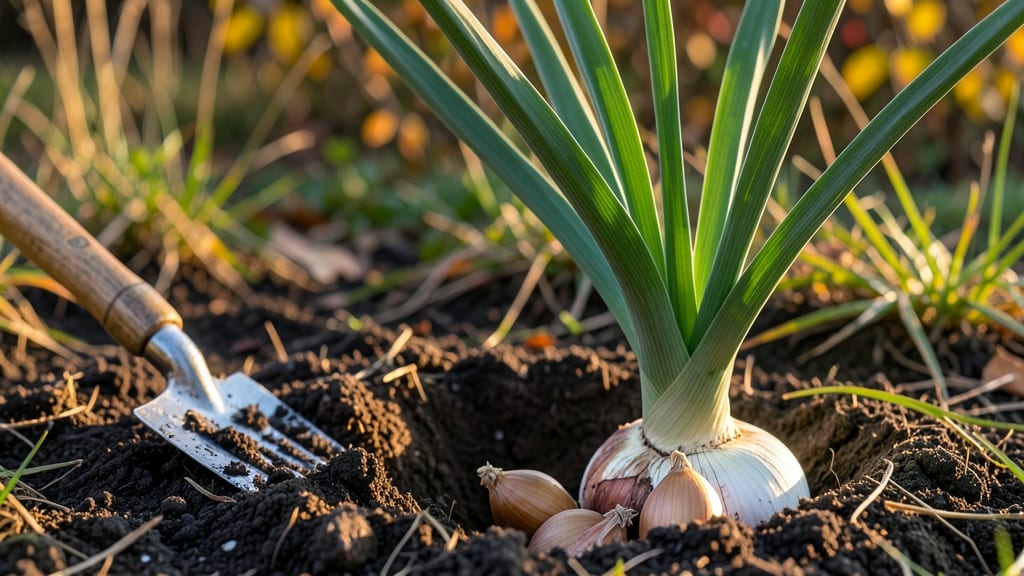
Planting 🧄 garlic in Adelaide at the wrong time can turn your garden dreams into a frosty disappointment—but get the timing right, and you’re looking at a harvest that’ll make your neighbors jealous.
The key lies in Adelaide’s 8b climate, where frost dates and soil temperatures dictate the perfect window.
Most gardeners here rush to plant too early, only to watch their cloves rot in cold soil or bolt in false spring. I’ve seen it happen more times than I’d like, but there’s a sweet spot between late winter and early autumn that guarantees strong roots and plump bulbs.
In this guide, I’ll walk you through Adelaide’s frost patterns, the best varieties for your subregion, and exactly when to tuck those cloves into the soil for a harvest that’ll make your kitchen smell like a gourmet’s dream. No more guesswork—just reliable results.
Whether you’re a seasoned gardener or just starting with 🧄 garlic, these local tips will help you avoid common mistakes and maximize your yield. Let’s get those cloves in the ground at the perfect time!
Adelaide’s frost dates & ideal garlic planting windows by month
Adelaide’s USDA Zone 8b climate creates a narrow but critical window for planting garlic—typically between late August and mid-September. This period balances soil temperatures (ideal: 5–10°C) with frost risks, which spike after mid-September.
The Adelaide Hills experience earlier frosts than coastal areas, so timing adjustments are key. For example, gardeners in Mount Lofty Ranges should plant 2–3 weeks earlier than those near Glenelg Beach.
Garlic cloves need 6–8 weeks to establish roots before winter sets in. Planting too early risks pre-frost emergence, while late plantings often result in small, underdeveloped bulbs.
Use local frost data as your guide: Adelaide’s last spring frost typically occurs around September 15, but this can vary by ±10 days annually. Always check the Bureau of Meteorology’s frost forecasts for your specific suburb.
Soil temperature is your most reliable indicator. Garlic cloves won’t sprout until soil reaches 5°C, but roots need consistent warmth to avoid rot. In Adelaide, August soils often hover around 8–12°C, making it the safest month for Hills regions. Coastal areas can plant slightly later due to milder microclimates, but avoid waiting past early September.
| Month | Avg. Soil Temp (°C) | Frost Risk Level | Recommended Varieties | Key Planting Notes |
|---|---|---|---|---|
| August | 8–12 | Low (Hills: Moderate) | Silverskin, Artichoke | Plant 6–8 weeks before first frost; use mulch. |
| September | 10–15 | Moderate (Coastal: Low) | Purple Stripe, Rocambole | Avoid planting after mid-Sept (frost risk rises). |
| October | 12–18 | Low (Early varieties only) | California Early, Creole | Only for fast-maturing varieties; harvest by Dec. |
If you’re planting in Adelaide’s northern suburbs (e.g., Modbury, Tea Tree Gully), you can push the window slightly later due to warmer soils. However, southern suburbs like Seacliff or McLaren Vale should prioritize August planting to avoid late-season frosts.
Pro tip: Use a soil thermometer to confirm temperatures—garlic cloves won’t sprout below 5°C, even if the air feels mild.
For container gardening, timing is even more critical. Pots cool faster than in-ground soil, so plant 2 weeks earlier than your region’s ideal window.
Choose heat-resistant varieties like Creole garlic if your balcony faces afternoon sun, as containers dry out quicker and are more susceptible to temperature swings.
Mulching is non-negotiable in Adelaide’s dry winters. Apply 5–7cm of straw or lucerne hay immediately after planting to insulate soil and retain moisture. This is especially important in windy areas like the Adelaide Plains, where soil can dry out rapidly.
In coastal regions, mulch also protects against salt spray, which can stunt growth.
Monitor your garlic’s progress with weekly checks. If shoots emerge before winter, cover them with row covers or old blankets during sub-zero nights. Conversely, if growth stalls in winter, a light sprinkle of compost can provide nutrients without disturbing the soil.
Remember: patience is key—garlic bulbs develop slowly over 6–8 months.
By aligning your planting with Adelaide’s frost patterns and soil conditions, you’ll maximize your chances of harvesting plump, flavorful bulbs by late October or November.
Keep an eye on BOM forecasts and adjust your schedule yearly—Adelaide’s climate is unpredictable, but with the right timing, you’ll reap the rewards! 🌱
Best garlic varieties for Adelaide’s climate & how to choose
Adelaide’s diverse microclimates—from the cooler Adelaide Hills to the milder coastal areas—demand careful variety selection for your garlic. The wrong choice can lead to poor bulb formation or even crop failure.
For cold-hardy regions like the Hills, hardneck varieties like Silverskin and Purple Stripe thrive, while softneck types such as Creole suit warmer coastal spots.
Hardneck garlic, like Rocambole, produces scapes (flower stalks) and stores well, making it ideal for long-term storage. Softneck varieties, such as Artichoke, lack scapes but boast excellent storage life and milder flavor—perfect for year-round use.
Your location’s frost patterns and summer heat will dictate the best pick, so let’s break down the top options.
If you’re in the Adelaide Hills, prioritize hardneck varieties like Purple Stripe, which handles frost well and produces flavorful bulbs. For coastal gardens, Creole garlic excels in heat and humidity, delivering reliable yields even in drought-prone summers.
Always check seed packets for disease resistance, especially if your area has rust or mold issues.
Pro tip: Save seeds from your best-performing bulbs to adapt to your local conditions over time. Organic garlic lovers should opt for non-treated cloves, though these may take slightly longer to establish. For urban gardeners with limited space, smaller varieties like Silverskin work beautifully in containers or raised beds.
Finally, consider your harvest timeline. Hardnecks mature faster (around 90–120 days) and are perfect for early harvests, while softnecks take longer (up to 150 days) but store better. Plan accordingly to avoid overcrowding or missed harvest windows.