
Planting
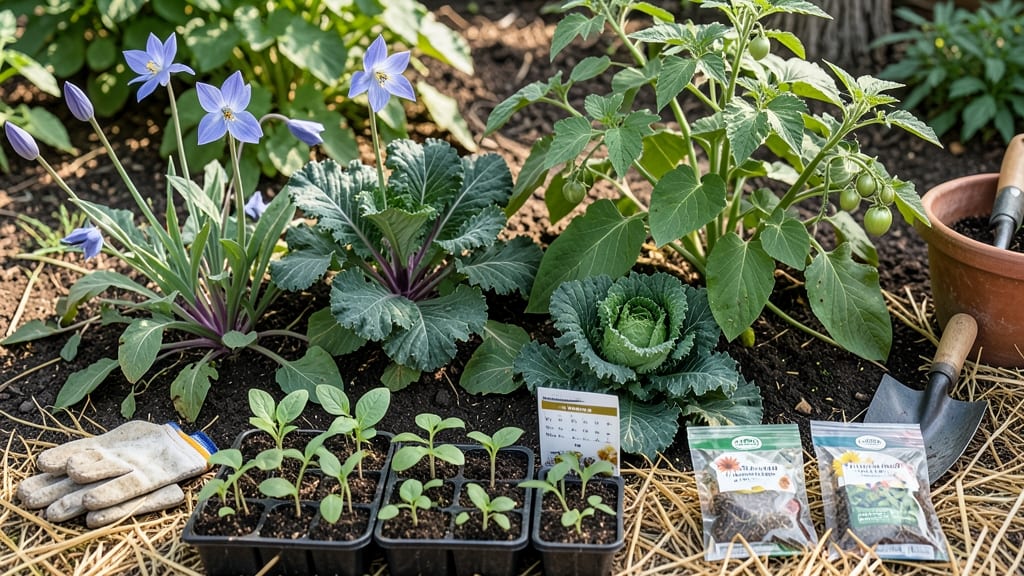
Timing your Colorado garden planting wrong could mean the difference between a bumper crop and a sad, frost-nipped disappointment. With elevation zones ranging from 3,000 to over 10,000 feet, the "perfect" window varies wildly—even between neighborhoods.
I’ve spent years tracking frost dates and testing planting schedules, and what I’m about to share will help you avoid those costly mistakes.
Most Colorado gardeners know the basics: wait until after the last frost in spring and plant fall crops before the first chill. But here’s the catch—your exact planting deadlines depend on whether you’re in Denver, Colorado Springs, or the mountains.
For example, Denver’s last frost typically hits around April 15, while high-altitude areas like Leadville might not be frost-free until June 1. Getting this right means more harvests, fewer losses, and a garden that thrives despite Colorado’s unpredictable weather.
In this guide, I’ll break down the exact planting windows for your elevation zone, including when to start seeds indoors, transplant seedlings, and sow directly into the soil.
You’ll also learn how to adjust for Colorado’s quirks—like late frosts, hail risks, and short growing seasons—so you can maximize your garden’s potential. Let’s get those seeds in the ground at the perfect moment.
Whether you’re a first-time gardener or a seasoned pro, knowing when to plant in Colorado is the key to a successful harvest. By the end of this, you’ll have a clear checklist for spring and fall prep, plus tips to extend your growing season.
Ready to turn your garden dreams into reality? Let’s dive in.
Colorado planting zones by elevation: exact dates for vegetables, flowers & herbs
Colorado’s elevation zones drastically impact planting times—what works in Denver (5,280 ft) fails in Aspen (7,900 ft). Understanding your frost-free dates is the first step to a thriving garden. Most lowland areas (3,000–5,000 ft) have 120–150 frost-free days, while high-altitude gardens (7,000+ ft) see just 90–120 days.
Below, I’ll break down exact planting windows for each zone, including cool-season crops (like spinach) and warm-season crops (like tomatoes).
For low-elevation gardens (3,000–5,000 ft), such as those in Colorado Springs or Pueblo, the last frost typically occurs around April 15–May 1.
This means you can plant cool-season crops like peas and lettuce as early as late March (with row covers), while warm-season crops like tomatoes and peppers should wait until after May 15.
High-altitude areas (7,000+ ft), like Leadville or Durango, often see their last frost as late as June 1, shrinking the growing season significantly.
Here’s your zone-specific planting timeline to avoid frost damage and maximize yields:
| Elevation Zone | Last Frost Date | Cool-Season Planting | Warm-Season Planting | Fall Planting Window |
|---|---|---|---|---|
| 3,000–5,000 ft (Denver, Colorado Springs) | April 15–May 1 | Late March–April 15 | May 15–June 15 | August 1–September 15 |
| 5,000–7,000 ft (Fort Collins, Boulder) | May 1–May 15 | April 1–May 1 | May 30–June 10 | July 15–August 30 |
| 7,000+ ft (Aspen, Leadville) | June 1–June 15 | May 1–May 15 | June 20–July 10 | July 30–August 20 |
Pro tip: Use row covers or cold frames to extend your cool-season planting by 2–4 weeks in all zones. For example, in Denver (5,280 ft), you can start spinach and kale as early as late February under protection.
Similarly, high-altitude gardeners can push warm-season crops like bush beans into early July by using black plastic mulch to warm the soil faster.
For herbs and perennials, timing is less critical but still important. Rosemary and thyme thrive in Colorado’s climate and can be planted as early as April 1 in low zones or May 1 in high zones.
Meanwhile, basil and cilantro are warm-season lovers and should wait until after your last frost date to avoid bolting. I’ve found that starting basil indoors by April 15 (low zones) or May 1 (high zones) gives it a head start before transplanting outdoors.
Don’t forget about fall planting—it’s your second chance for a bountiful harvest!
In low-elevation zones, you can plant cool-season crops like broccoli and carrots as late as September 15, while high-altitude gardens should aim for August 1–15 to avoid early frosts. Garlic is a great fall-planted perennial that can overwinter in Colorado, with planting dates ranging from October 1 (low zones) to September 15 (high zones).
To track your local frost dates, check the Colorado State University Extension or use a frost calendar app. I recommend marking your last frost date on your calendar and setting reminders for 6–8 weeks before to start indoor seedlings.
For direct-sown crops like radishes or lettuce, you can plant them 2–3 weeks before your last frost date—they germinate quickly and tolerate light frosts.
Finally, always test your soil temperature before planting.
How to adjust planting dates for Colorado’s unpredictable weather patterns
Colorado’s weather can shift faster than a mountain breeze—one day it’s sunny and warm, the next, a late frost threatens your seedlings. Adjusting your planting timeline based on microclimates and elevation shifts is key to avoiding heartbreak.
Start by checking your local last frost date, but don’t rely on it blindly. High-altitude gardens in Denver or Boulder often face frosts until mid-May, while lower elevations like Colorado Springs may see them by April 15.
Use row covers or cold frames to extend your season by 2-4 weeks. These simple tools create a protective bubble, shielding tender plants from unexpected chills and even light frosts.
For example, I’ve used row covers to grow spinach and kale in June and September when temperatures dip below 40°F (4°C). Just remove them during the day to let pollinators access flowers.
📋
Don’t overlook fall planting—it’s a gardener’s secret weapon in Colorado. Many cool-season crops thrive in September and October when days are shorter but still warm. I’ve had great success with garlic and onions planted in October for a spring harvest.
Just aim to plant 6-8 weeks before your first frost to give roots time to establish.
If you’re gardening in high-altitude zones (7,000+ ft), your growing season is shorter, so prioritize fast-maturing varieties. For example, bush beans take just 50 days to harvest, while pole beans need 60-70 days. Pair them with early-maturing greens like baby spinach (30 days) to maximize your space.
Finally, keep a gardening journal to track your local patterns. Note when frosts occur, how long each season lasts, and which plants thrive. Over time, you’ll refine your planting schedule to match your unique microclimate.
Last year, my tomatoes in Fort Collins needed an extra 2 weeks of protection—now I adjust my schedule accordingly.
With these adjustments, you’ll turn Colorado’s unpredictable weather into an advantage, not a challenge. Happy planting! 🌱