
Trees
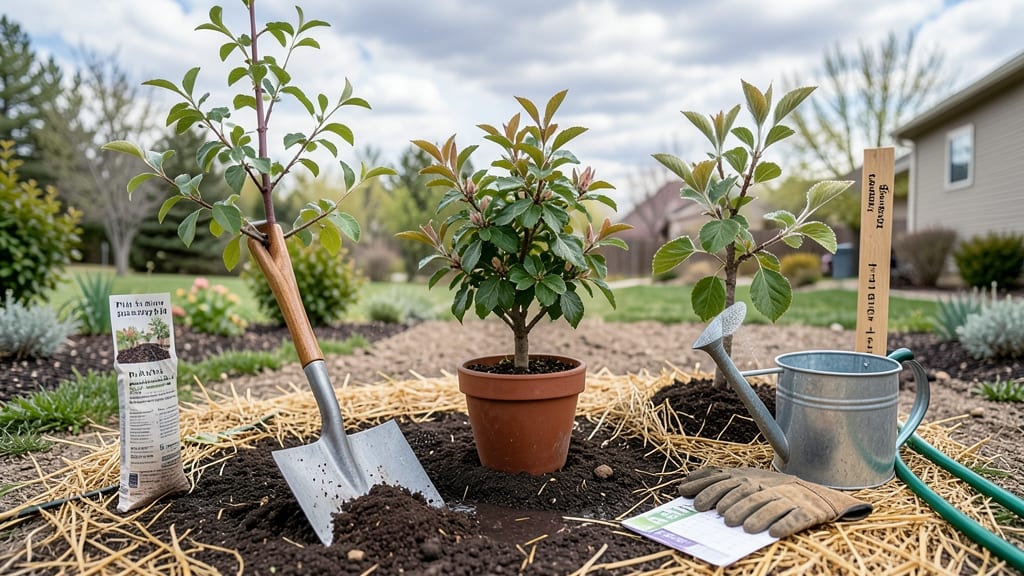
Timing your fruit tree planting in Utah isn’t just about grabbing a shovel in spring—it’s about matching varieties to the state’s unique chill-hour zones to guarantee a harvest that actually bears fruit.
With Utah’s dramatic shifts from freezing winters to scorching summers, planting too early can mean frost damage, while waiting too long might leave your trees struggling to establish roots before the heat sets in.
I’ve seen firsthand how late frosts in the Wasatch Front or the intense sun of Southern Utah can turn a well-intentioned planting into a costly lesson. But here’s the good news: with the right approach, you can outsmart Utah’s climate and set your trees up for success.
We’ll break down the best windows for planting everything from apples to peaches, plus how to prep your soil and water like a pro to beat the dry conditions.
Whether you’re in the high desert or mountain valleys, the key is understanding your local chill hours—those critical cold snaps that trigger fruit development. I’ll show you which varieties thrive in your area and exactly when to plant them, so you’re not left with barren branches come summer.
Let’s get those roots in the ground the right way.
Ready to turn your backyard into a fruit orchard? You’ll learn how to time your planting for maximum growth, avoid common Utah-specific mistakes, and choose trees that actually produce in this challenging climate. Let’s dive in.
Utah’s chill-hour zones: how to match fruit trees to your location
Utah’s diverse climate—from the high deserts of Southern Utah to the mountain valleys of the North—creates distinct chill-hour zones. These zones determine which fruit tree varieties will thrive in your area.
For example, apples need 500–1,200 chill hours, while peaches require just 300–600 hours. Getting this match right ensures your trees fruit reliably every year.
Most of Utah falls into USDA Zones 5–8, but chill hours vary dramatically. Northern Utah (e.g., Ogden, Logan) typically sees 800–1,200 chill hours, while Southern Utah (e.g., St. George, Cedar City) often has 300–600 hours.
This means stone fruits like peaches and plums are better suited for the South, while apples and cherries flourish in the North.
Here’s how to decode your chill-hour zone and pick the perfect fruit trees for your Utah garden:
| Chill-Hour Zone | Best Fruit Trees | Planting Window | Notes |
|---|---|---|---|
| 300–600 hours | Peaches, Plums, Apricots, Pomegranates | Late winter to early spring | Ideal for Southern Utah (St. George, Cedar City) |
| 600–900 hours | Apples (dwarf varieties), Cherries, Pears | Early spring (March–April) | Best for Central Utah (Salt Lake City, Provo) |
| 900–1,200 hours | Apples (standard varieties), Tart Cherries, Plums | Late winter (February–March) | Perfect for Northern Utah (Ogden, Logan) |
If you’re unsure about your chill-hour zone, check your local USU Extension office or use a chill-hour calculator with your area’s winter lows.
For example, Honeycrisp apples need 900+ chill hours, so they’re a great choice for Northern Utah, while Elberta peaches thrive with just 400–600 hours, making them ideal for the South.
Planting at the right time isn’t just about chill hours—it’s also about avoiding late spring frosts. In Utah, these can occur as late as May, so time your planting to ensure roots establish before buds break.
For bare-root trees, plant as soon as the ground is workable (usually February–March in most zones). Container-grown trees can wait until April.
Soil preparation is equally critical. Utah’s soils are often alkaline and clay-heavy, which can stunt root growth. Amend your soil with compost and sulfur to lower pH, and ensure proper drainage.
A well-draining hole twice as wide as the root ball is essential to prevent root rot in Utah’s dry climate.
Once planted, prioritize deep watering—especially in the first two years. Utah’s dry air and hot summers demand 1–2 inches of water per week, delivered directly to the root zone. Mulch with wood chips or straw to retain moisture and regulate soil temperature.
Pro tip: Group companion plants like lavender or thyme around your fruit trees to deter pests and improve soil health. These herbs thrive in Utah’s conditions and add a fragrant bonus to your orchard.
By matching your fruit trees to your chill-hour zone and planting at the optimal time, you’ll set the stage for a productive, low-maintenance orchard that rewards you with fruit for decades. Start with just one or two varieties to test what works best in your microclimate.
Best planting months in Utah by fruit tree type: a regional guide
Utah’s diverse climate—from the high desert of St. George to the mountain valleys of Logan—means planting windows vary dramatically. In Northern Utah (USDA Zones 5-7), aim for late winter to early spring (February–March) when soil temperatures hover around 45°F.
Southern Utah’s Zone 7-9 regions allow slightly later planting (March–April) to avoid late spring frosts that can damage blossoms.
For stone fruits like peaches and plums, prioritize chill-hour requirements.
Varieties like ‘Elberta’ peach (500–700 hours) thrive in Northern Utah, while ‘Redhaven’ peach (300–500 hours) suits Southern Utah’s milder winters. Deciduous trees (apples, cherries) should go in the ground 4–6 weeks before last frost—typically late February in Salt Lake City or early March in Provo.
Microclimates matter: Urban areas like Park City experience frost pockets, while Ogden’s urban heat island can delay frost. Adjust planting dates by 1–2 weeks if your yard is sheltered or exposed. Always check local frost dates from the National Weather Service or Utah State University Extension for precision.
🌱
- 🌿 Northern Utah (Zones 5–7): Late February–March for bare-root trees; April for container-grown.
- 🌿 Southern Utah (Zones 7–9): March–April to avoid frost; avoid May (heat stress).
- ❄️ High-Elevation Areas (e.g., Heber Valley): Wait until after last frost (mid-April) for cold-hardy varieties like ‘Enterprise’ apple.
- ☀️ Urban Heat Islands (e.g., Salt Lake City): Plant 2 weeks earlier to escape summer heat; mulch heavily.
- 🌱 Bare-Root vs. Container: Bare-root trees need moist, cool soil; container trees can handle warmer soil (plant anytime dormant).
Soil preparation is half the battle in Utah’s alkaline soils. Test your soil’s pH (aim for 6.0–7.0) and amend with sulfur or peat moss if needed. Dig a hole twice as wide as the root ball but no deeper.
Mix native soil with compost to improve drainage—critical in clay-heavy areas like Cache Valley.
Water deeply immediately after planting to eliminate air pockets, then mulch with straw (2–3 inches) to retain moisture. In Utah’s dry climate, drip irrigation is ideal—set up a system to deliver 1–2 inches of water weekly during the first growing season.
Avoid overhead watering, which can spread fungal diseases like brown rot in stone fruits.
Remember: Patience pays off. Fruit trees planted at the right time in Utah can live for decades and produce reliable harvests year after year. Start with dwarf or semi-dwarf varieties if space is limited, and always choose local nursery stock acclimated to Utah’s conditions. 🌳