
Flowers
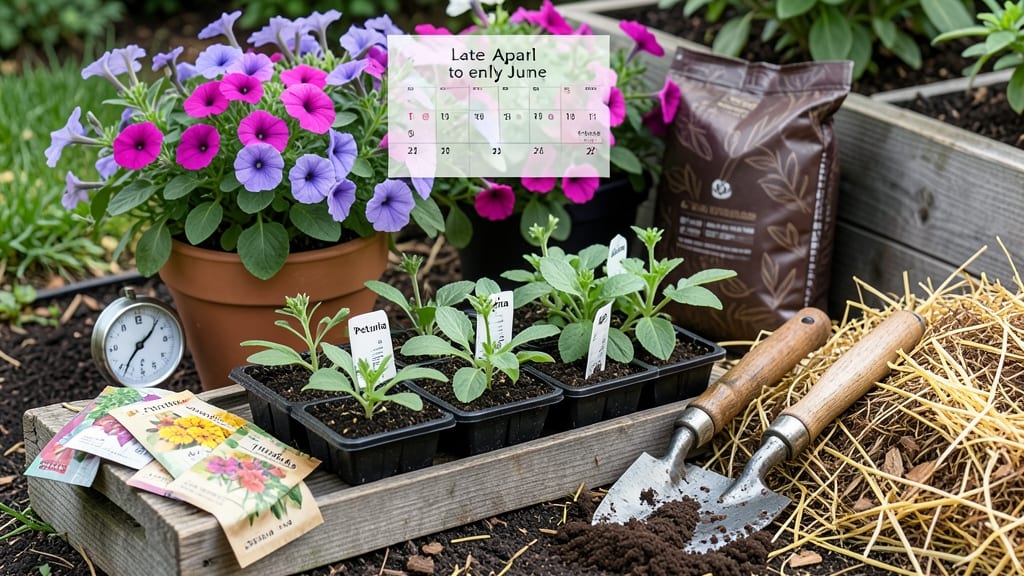
Knowing when to plant flowers in Zone 6b can mean the difference between a garden bursting with color and one that struggles to take root. With 165 frost-free days and temperatures that swing dramatically between seasons, timing is everything for your 🌸 to thrive.
Spring planting after the last frost—typically around April 15—gives annuals like cosmos and petunias the head start they need, while fall offers a second chance for bulbs like tulips and daffodils to establish roots before winter.
But getting it wrong? You might end up with weak stems or blooms that never fully open.
In this guide, I’ll break down the exact windows for planting in Zone 6b, whether you’re sowing seeds in March or prepping bulbs in October.
You’ll learn how to adjust for microclimates, extend your bloom season, and pick the right flowers for each planting time—so you can enjoy vibrant gardens from spring through fall.
Ready to transform your garden? Let’s dive into the strategies that will give your flowers the best possible start—no guesswork required.

Best months to plant flowers in Zone 6B for spring blooms
In Zone 6B, spring planting sets the stage for a showstopping summer garden. The key is timing—plant too early, and frost will nip tender seedlings. Too late, and your flowers may struggle to establish roots before summer heat arrives.
My rule of thumb? Aim for after the last frost date, which typically falls around mid-April in most of Zone 6B.
But not all flowers thrive under the same conditions. Cool-season bloomers like pansies and snapdragons can handle early spring planting (as soon as soil is workable, around March), while warm-season favorites like marigolds and zinnias need to wait until late April or May when soil temperatures hit 60°F+.
Let’s break down the best planting windows for each type.
🌱 Zone 6B Spring Planting Guide
| Flower Type | Best Planting Window | Soil Temp Requirement | Sunlight Needs |
|---|---|---|---|
| Cool-Season Annuals (Pansies, Snapdragons, Sweet Alyssum) | March–Early April | 45–55°F | Full sun to partial shade |
| Perennials (Coneflowers, Black-Eyed Susans, Daylilies) | April–Early May | 50–60°F | Full sun (6+ hours) |
| Warm-Season Annuals (Marigolds, Zinnias, Petunias) | Late April–May | 60°F+ | Full sun (6+ hours) |
| Bulbs (Tulips, Daffodils, Hyacinths) | Fall (Oct–Nov) OR Spring (March) | 40–50°F (for spring planting) | Full sun to partial shade |
🌿 Pro Tip: Test soil temperature with a thermometer—it’s the best way to avoid frost damage or stunted growth.
For cool-season flowers, I start by prepping the soil in late February with compost and a light application of balanced fertilizer (10-10-10). These hardy plants can tolerate light frosts, but a thick layer of mulch (2–3 inches) adds an extra layer of protection.
My favorite early bloomers? Pansies—they handle cold snaps like champions and add color to winter and early spring.
When it comes to warm-season flowers, patience pays off. These varieties need consistent warmth to germinate, so I wait until after Mother’s Day (around May 10–15) to plant seeds or transplants.
If you’re eager for color, opt for heat-tolerant varieties like Lantana or Portulaca, which thrive in Zone 6B’s summer heat.
Don’t forget about perennials—they’re the backbone of a low-maintenance garden. Most establish best when planted in early spring (April) so they can develop strong roots before summer.
I always water deeply after planting and mulch heavily to retain moisture. For example, coneflowers planted in April will reward you with summer-long blooms and winter interest.
One common mistake? Planting tender annuals like petunias too early. They’ll bolt (send up flower stalks) or wilt in cold soil. Instead, I start them indoors in March and transplant after the last frost. For direct sowing, wait until mid-May when nighttime temperatures stay above 50°F.
If you’re in a microclimate (like a south-facing slope or urban heat island), adjust your timeline by 1–2 weeks. Warmer pockets can handle earlier planting, while cooler spots may need a delay.
Always check your local frost dates—they can vary 10+ days even within Zone 6B.
Finally, soil temperature is your secret weapon. Use a soil thermometer to confirm it’s at least 60°F for warm-season plants. If it’s cooler, your seeds may rot instead of sprout. For cool-season plants, aim for 45–55°F—any colder, and germination slows to a crawl.
With these timing tips, your Zone 6B garden will burst into color earlier and last longer. Start with cool-season stars in March, transition to perennials in April, and cap it off with heat-loving annuals in May.
Before you know it, you’ll have a nonstop bloom show from spring to frost.
Fall planting strategies for Zone 6B: extending bloom seasons
Fall is my favorite time to plant flowers in Zone 6B—it’s like giving your garden a head start for next year’s blooms! Cooler temperatures and moist soil create perfect conditions for many perennials, bulbs, and cold-hardy annuals to establish strong roots before winter.
The key is timing: aim for 6-8 weeks before your first frost (typically mid-October in Zone 6B). This window allows roots to grow while above-ground parts remain dormant.
I always start by preparing the soil in late summer. Amend it with compost or well-rotted manure to improve drainage and fertility. For bulbs like tulips and daffodils, plant them in October when soil temps drop below 60°F.
These beauties need a cold period to bloom spectacularly next spring. Meanwhile, perennials like coneflowers and black-eyed Susans can handle fall planting too—they’ll reward you with vibrant blooms the following year.