
Flowers
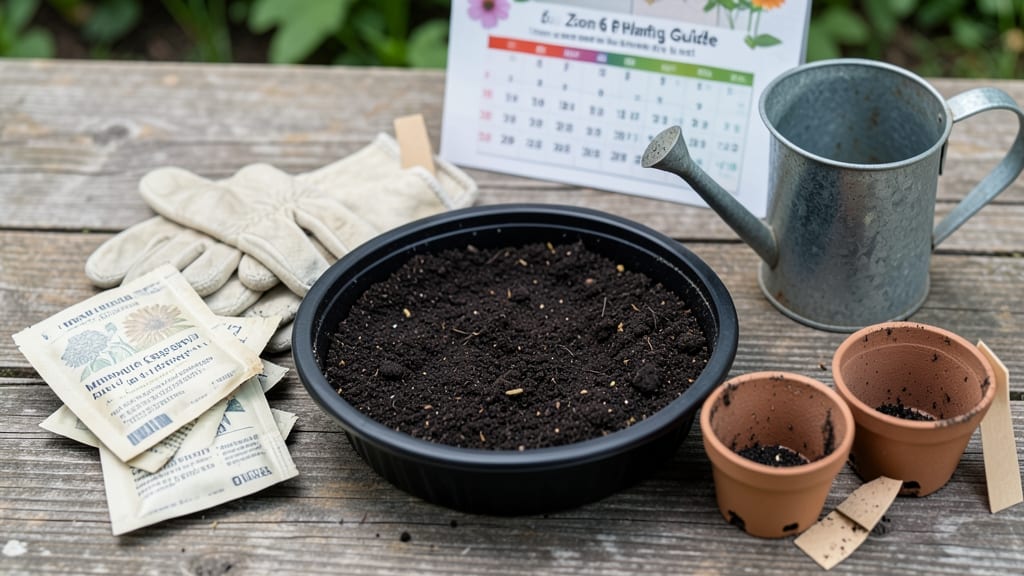
Timing your flower seeds planting in Zone 6 is the key to a garden bursting with color instead of frost-killed dreams. Miss the window, and you might spend spring watching your hard work turn into sad, icy puddles.
But get it right, and you'll enjoy a parade of petals from early summer right through fall.
In Zone 6 (General), where last frosts typically arrive between April 15 and May 15, the right timing means cooler-season flowers like pansies can start early indoors, while heat-lovers like sunflowers wait until after the last frost.
The secret isn't just waiting for warm weather—it's understanding how each variety plays by its own rules.
I'll show you exactly when to plant 🌸 flower seeds for each type, whether you're starting indoors or sowing directly. From cool-season annuals to perennials that need a head start, we'll cover it all so your garden doesn't just survive the season—it thrives.
Ready to turn your garden into a blooming masterpiece? Let's dive into the perfect planting schedule for Zone 6's unpredictable weather and make sure your flowers get the strong start they deserve.

Zone 6 last frost dates by flower type: when to plant for peak blooms
In Zone 6, where last frost dates typically range from April 15 to May 15, timing your flower seed planting is critical. Cool-season flowers like pansies and snapdragons can handle light frost, while warm-season varieties like marigolds and zinnias need frost-free soil to thrive.
Understanding these planting windows ensures your garden bursts with color from spring to fall.
Most annual flowers in Zone 6 are planted after the last frost, but some hardy varieties can be sown earlier. Perennials like coneflowers and black-eyed Susans often benefit from fall planting, while bulbs like tulips and daffodils need a chilling period before spring blooms.
Let’s break down the best times to plant for each type.
🌱
🌸 Zone 6 Flower Planting Guide by Type
| Flower Type | Planting Window | Notes |
|---|---|---|
| Cool-Season Annuals | Early March - April 15 | Pansies, Snapdragons, Sweet Alyssum (tolerate light frost). |
| Warm-Season Annuals | May 1 - June 15 | Marigolds, Zinnias, Petunias (wait for soil to warm). |
| Perennials | Fall (Aug-Sept) or Spring (April-May) | Coneflowers, Black-Eyed Susans, Lavender (fall planting preferred). |
| Bulbs | Fall (Sept-Oct) for Spring blooms | Tulips, Daffodils, Hyacinths (need cold stratification). |
| Vegetable Flowers | April 15 - May 15 (with transplants) | Nasturtiums, Calendula (edible and pest-repellent). |
💡 Pro Tip: Use row covers to extend early planting for frost-sensitive varieties.
For cool-season flowers, like pansies and sweet peas, you can start seeds indoors 8-10 weeks before the last frost or sow directly in early March. These hardy plants often bloom in early spring, adding vibrant color to your garden before summer varieties take over.
Warm-season flowers, such as marigolds and zinnias, require warmer soil temperatures (at least 60°F). Plant these after May 1, when the risk of frost has passed. If you’re eager for summer blooms, consider starting seeds indoors in late March and transplanting after the last frost.
Perennials like coneflowers and black-eyed Susans are best planted in early spring or fall. Fall planting allows roots to establish before winter, giving them a head start in spring.
For bulbs, like tulips and daffodils, plant in September or October to ensure they get the cold period they need to bloom in spring.
🌿
If you’re unsure about your local frost dates, check the USDA Plant Hardiness Zone Map or use a frost calendar for your specific area in Zone 6. Microclimates—like urban heat islands or sheltered garden spots—can also shift planting times by 1-2 weeks.
Always monitor soil temperatures with a soil thermometer to avoid planting too early.
For succession planting, stagger your sowing every 2-3 weeks to ensure continuous blooms. For example, plant marigolds in early May, then again in mid-June for a prolonged display. This technique works especially well for annual flowers like cosmos and sunflowers.
🌻
How to adjust planting timing for early vs. late bloomers in Zone 6
Not all flowers bloom at the same time, which means their planting schedules need customization.
In Zone 6, early bloomers like pansies and snapdragons can start indoors as early as February to beat the spring rush, while late-season stars like cosmos and zinnias can wait until after your last frost date (typically April 15-May 15) for direct sowing.
For continuous color, I recommend staggering plantings by 2-3 weeks. For example, sow petunias indoors in early March, then transplant them outdoors in late April. Follow up with a second batch of seeds sown directly in early May to extend your blooms into fall.
Another trick is to plant warm-season flowers like sunflowers and marigolds after the soil warms to at least 60°F. Use a soil thermometer to check—this usually happens in early May for Zone 6.
Cool-season flowers like calendula and lobelia can handle cooler soils, so they’re safe to sow as soon as the ground is workable in early spring.
For perennials like black-eyed Susans and coneflowers, I start seeds indoors 8-10 weeks before your last frost date. These tough plants can handle a bit of frost, but giving them a head start ensures they’ll establish strong roots before summer heat arrives.
If you love cut flowers, consider planting dahlias and celosia as late as June for a bold late-summer display. These heat lovers thrive when planted after the worst of the spring rains have passed, giving them a chance to establish before fall cools down.
Don’t forget about fall planting! Many annuals like pansies and sweet alyssum can be sown directly in August or early September for stunning fall and winter color. These cool-season flowers will bloom right up until the first frost hits in late October or November.
To keep track of all these timings, I use a simple garden journal where I note when I start seeds indoors, transplant outdoors, and when flowers begin blooming. This helps me fine-tune next year’s schedule based on what worked (and what didn’t!).
🌱 Zone 6 Planting Timeline for Continuous Blooms
- 📅 February-March: Start cool-season flowers (pansies, snapdragons) indoors for early spring blooms.
- 🌱 April (after last frost): Sow warm-season flowers (sunflowers, marigolds) directly outdoors once soil reaches 60°F.
- 🌿 May-June: Plant late-season bloomers (cosmos, zinnias) for summer and fall color.
- 🍂 August-September: Sow fall annuals (pansies, alyssum) for winter interest.
- ⏰ Stagger plantings every 2-3 weeks for non-stop blooms all season long!