
Plants
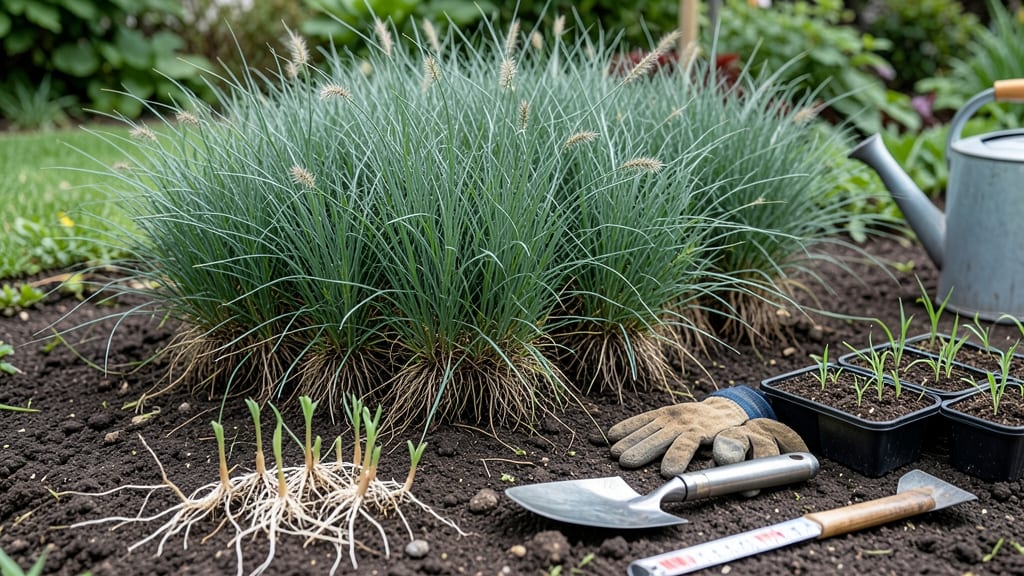
Timing your fescue planting just right in spring is the game-changer between a vibrant lawn and months of frustration. With 6a zone gardeners knowing the difference between early and late spring can mean the difference between success and failure.
Most gardeners assume planting as soon as soil looks dry is the way to go, but fescue 🌱 thrives when soil temperatures hit that sweet spot between 40°F and 65°F. That window opens earlier than you might think - often right around March in many regions.
In this guide, I'll walk you through exactly when to plant fescue in spring, including how to test your soil temperature and what to watch for in your specific climate zone. You'll discover the fastest way to establish your lawn without waiting for summer heat to stress your new grass.
Whether you're establishing a new lawn or overseeding an existing one, these timing tips will help you avoid common mistakes that delay growth. Let's get your fescue off to the perfect start this spring.
Optimal soil temperature ranges for planting fescue in spring
Getting the soil temperature just right is the #1 factor for successful fescue establishment in spring.
Unlike warm-season grasses, fescue thrives when soil temperatures hover between 40°F and 65°F—a sweet spot that varies slightly by variety. Tall fescue can handle cooler soils down to 35°F, while fine fescue prefers the upper range (55°F-65°F) to prevent stress.
These ranges ensure your seeds germinate quickly without rotting from soggy, cold soil.
Regional differences matter more than you might think. In northern climates (USDA Zones 3-5), aim for late April to early May when soil finally warms to 45°F+.
Southern gardeners (Zones 6-8) can plant as early as February to March, but avoid planting when soil temperatures creep above 70°F—this triggers dormancy before roots establish. Always check your local last frost date and adjust accordingly.
Testing soil temperature is simpler than you’d expect. Use a soil thermometer (just $10 at garden centers) to check 2 inches deep—the depth where fescue seeds will germinate. For accuracy, test on a shady, moist day (morning is best).
If your reading falls outside the ideal range, wait 1-2 weeks before planting. Pro tip: Morning soil temps are always cooler than afternoon readings, so take your measurement before 10 AM.
| Fescue Type | Ideal Soil Temp | Best Planting Window | Regional Adjustment |
|---|---|---|---|
| Tall Fescue | 40°F–55°F | 4–6 weeks before last frost | Zones 3–5: May; Zones 6–8: March |
| Fine Fescue | 55°F–65°F | After last frost (soil warming) | Zones 3–5: Late May; Zones 6–8: Feb–March |
| Hard Fescue | 45°F–60°F | Early spring or fall | Zones 3–5: April–May; Zones 6–8: Feb–April |
🌱 Note: Adjust for microclimates—shady areas stay cooler longer.
One common mistake I see is planting fescue too early in cool, wet springs. When soil temps dip below 40°F, seeds may rot before germinating.
To avoid this, use a seed starter mat ($15–$20) if you’re eager to plant early—it warms the soil by 10°F–15°F. For overseeding existing lawns, wait until soil temps rise to 50°F+ to prevent smothering your current grass.
If you’re in a transition zone (Zones 5–7), split your planting into two phases: sow 50% of seeds when soil hits 45°F (early spring) and the remaining 50% after last frost (late spring).
This hedges your bets against unpredictable weather. For example, in Zone 6, I’ve had success planting half in March (for early germination) and half in May (to capitalize on summer moisture).
Don’t forget to prep your soil 1–2 weeks before planting. Fescue loves well-draining, slightly acidic soil (pH 6.0–7.0). If your soil is compacted, rent a core aerator to create channels for roots.
Add compost or peat moss to improve moisture retention, and avoid fresh manure—it can burn delicate fescue seeds. A quick soil test (available at garden centers) will tell you if you need to adjust pH with lime (to raise pH) or sulfur (to lower pH).
Once you’ve nailed the soil temperature and prep work, keep seeds consistently moist (not soggy) until germination, which typically takes 7–21 days depending on variety and conditions. A light layer of straw mulch (¼ inch thick) helps retain moisture and regulates soil temp.
Avoid walking on newly seeded areas—your foot traffic can bury seeds too deep, slowing germination.
Pro tip: If you’re planting in dry spring conditions, water twice daily (morning and evening) for the first 2 weeks. Use a gentle sprinkler or soaker hose to avoid dislodging seeds.
Once seedlings reach 2–3 inches tall, switch to deep, infrequent watering to encourage deep root growth. This simple adjustment can double your establishment success rate.
Remember, fescue’s cool-season nature means it’s designed to handle spring’s chilly starts. By aligning your planting with soil temps (not air temps), you’ll give your lawn the best possible start.
Next, we’ll break down a month-by-month planting timeline tailored to your USDA zone—so you’ll know exactly when to grab that seed bag and get started!
Optimal soil temperature ranges for planting fescue in spring
Getting your fescue grass planting timing right starts with understanding soil temperature thresholds. Unlike cool-season grasses, fescue thrives when soil warms to 40°F-65°F, but the exact window depends on your fescue variety and USDA hardiness zone.
Planting too early risks frost damage, while waiting too long can stress seedlings during summer heat.
For tall fescue, aim for 50°F-65°F soil temps—ideal for USDA zones 4-8. Fine fescue prefers cooler 40°F-55°F, perfect for northern climates (zones 3-6), while hard fescue thrives in 50°F-60°F.
Southern gardeners in zones 7-9 should plant early spring (March-April) to avoid summer drought stress.
To test your soil temperature, use a soil thermometer buried 4 inches deep in shaded soil. Check temps morning and evening—consistent readings in your fescue’s range mean it’s time to plant.
Pro tip: Northern gardeners should wait until 2 weeks after last frost, while southerners can plant 6 weeks before summer heat hits.
Overseeding existing lawns? Plant when soil is 55°F-60°F—warmer than new lawns—to encourage quick germination. Pre-warm cold soil by covering bare patches with black plastic for 1-2 weeks before planting. This trick boosts root zone warmth and speeds up establishment by 30%.
Watch for late spring frosts, especially in zones 3-5. If frost is forecasted within 7 days of planting, delay until temps stabilize. Use a frost cloth for new seedlings if early planting is unavoidable. Consistency in soil moisture and temperature stability is key to avoiding seedling shock.
Remember: Fescue establishes best in cool, damp conditions. If your spring brings dry heat, prioritize deep watering over pushing the planting date. Patience now means a thicker, greener lawn by summer. 🌱