
Plants
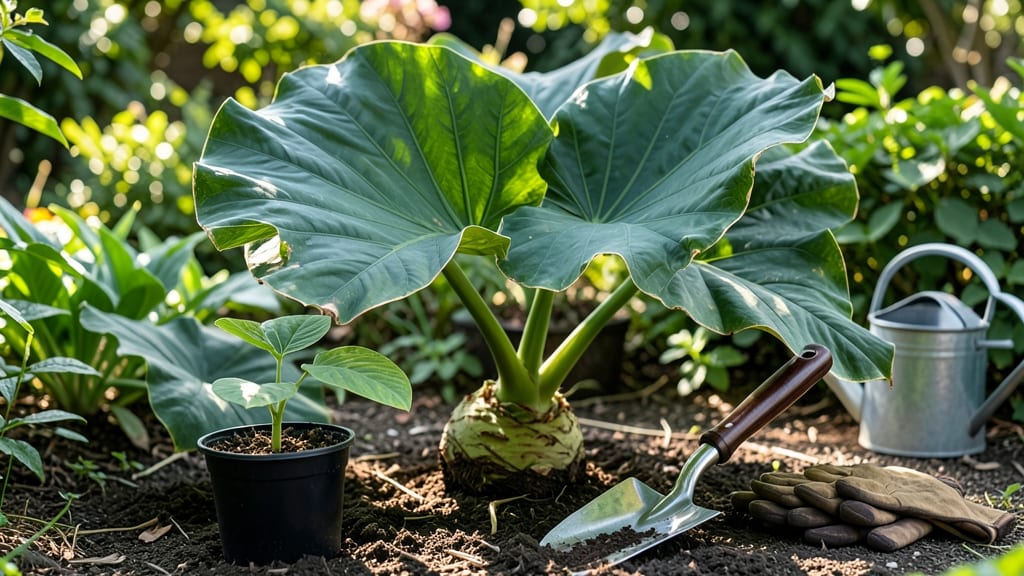
Timing your Elephant Ear 🌿 planting in Oklahoma could mean the difference between lush, tropical foliage and wilted disappointment—especially when those 60°F+ soil temps finally arrive.
This isn’t just about waiting for spring; it’s about outsmarting Oklahoma’s unpredictable weather swings, from late frosts in the Panhandle to early heat blasts in the south.
Most gardeners in zones 6b-7a swear by planting after the last frost date (usually mid-April to early May), but here’s the catch: rushing too soon risks frost damage, while waiting too long means your plants might struggle with summer’s intense heat.
I’ll break down the exact window—plus how to tell when your soil is truly ready—so you can get those dramatic leaves thriving from day one.
Whether you’re starting with tubers or seeds, Oklahoma’s climate demands a little extra strategy.
We’ll cover how to adjust for northern vs. southern planting zones, when to mulch for extra protection, and even how to extend the season if you’re eager to show off your 4-6 ft giants earlier than the crowd.
Ready to transform your garden into a jungle oasis? Let’s dive into the perfect planting schedule—no guesswork, just bold foliage guaranteed.
Oklahoma planting zones & heat zone deadlines for elephant ears
Oklahoma’s USDA zones 6b-8a and heat zones 9-10 create unique challenges for growing elephant ears (Colocasia). Unlike frost-sensitive tropical plants, these beauties need warm soil and consistent temperatures to thrive. In northern Oklahoma (zones 6b-7a), wait until mid-April to early May after the last frost—typically around March 15.
Southern regions (zones 7b-8a) can plant 2-3 weeks earlier, often by late March.
Elephant ears perform best when soil temperatures reach at least 60°F. Use a soil thermometer to confirm—cold soil stunts growth. Varieties like 'Black Stem' and 'Illustris' tolerate Oklahoma’s heat better than others, but all benefit from partial shade to prevent leaf scorch during 100°F+ days.
Here’s how Oklahoma’s microclimates affect planting:
If you’re in zone 8a (southeastern Oklahoma), you can even plant as early as February in protected microclimates, like near south-facing walls. However, avoid planting too soon—cold snaps can kill tubers before they establish roots.
For container gardening, adjust your timeline by 2-3 weeks later since pots cool faster. Place containers in wheeled pots to move them indoors if a late frost threatens. Hardier varieties like 'Mojito' handle Oklahoma’s heat better but still need consistent moisture.
Pro tip: Test your soil’s moisture before planting. Elephant ears hate soggy soil but wilt quickly if dry. Amend clay-heavy Oklahoma soil with compost to improve drainage while retaining moisture.
In northern Oklahoma, where frosts linger, opt for larger tubers (3+ inches in diameter) to give your plants a head start. Southern gardeners can plant smaller tubers (2+ inches) since the growing season is longer.
Remember, elephant ears are not cold-hardy. Even in zone 7, they’ll die back in winter. Plan to dig and store tubers before the first frost (typically November 15 in Oklahoma). This gives you a 180-day growing window to showcase those stunning leaves.
For extended season planting, consider starting tubers indoors under grow lights 6-8 weeks before your last frost date. This jumpstarts growth and gives you a 2-3 week advantage in the garden.
Step-by-step planting schedule: when to start seeds vs. transplanting
For Oklahoma gardeners, timing your elephant ears correctly means the difference between lush, tropical foliage and wilted disappointment. Since most varieties like 'Black Beauty' and 'Illustris' are sold as tubers—not seeds—your focus should be on transplanting after frost and preparing soil properly.
Elephant ears thrive when soil temperatures hit 60°F or warmer. In Oklahoma’s USDA zones 6b-8a, this typically aligns with mid-April to early May, but always confirm using a soil thermometer. Cold soil can stunt root growth and leave plants vulnerable to rot.
Here’s your Oklahoma-specific planting timeline to maximize success:
Late February (Indoor Prep)
Soak tubers in lukewarm water for 24 hours to kickstart growth. Place in a warm, bright spot (70°F+), not direct sun.
March (Sprout Check)
Look for 1-inch sprouts. If indoors, move tubers to a sunny windowsill (east-facing) to harden off.
Mid-April (Outdoor Prep)
Test soil temperature—60°F+ confirms readiness. Amend garden beds with compost for moisture retention.
Early May (Planting)
Plant tubers 2 inches deep, 12 inches apart. Water deeply to settle soil and encourage root growth.
June (Post-Planting)
Apply a 2-inch mulch layer to retain moisture and protect roots from Oklahoma’s intense afternoon sun.
Pro tip: If you’re in northern Oklahoma (zone 6b), wait until May 1 to avoid late frosts. Southern regions (zone 7a+) can plant as early as mid-April.
For container growers, use large pots (12+ inches wide) with drainage holes. Elephant ears in pots dry out faster—water every 1-2 days during Oklahoma’s summer heat.
Remember: Elephant ears are tropical plants that despise cold. If frost threatens after planting, cover with frost cloth until danger passes.