
Plants
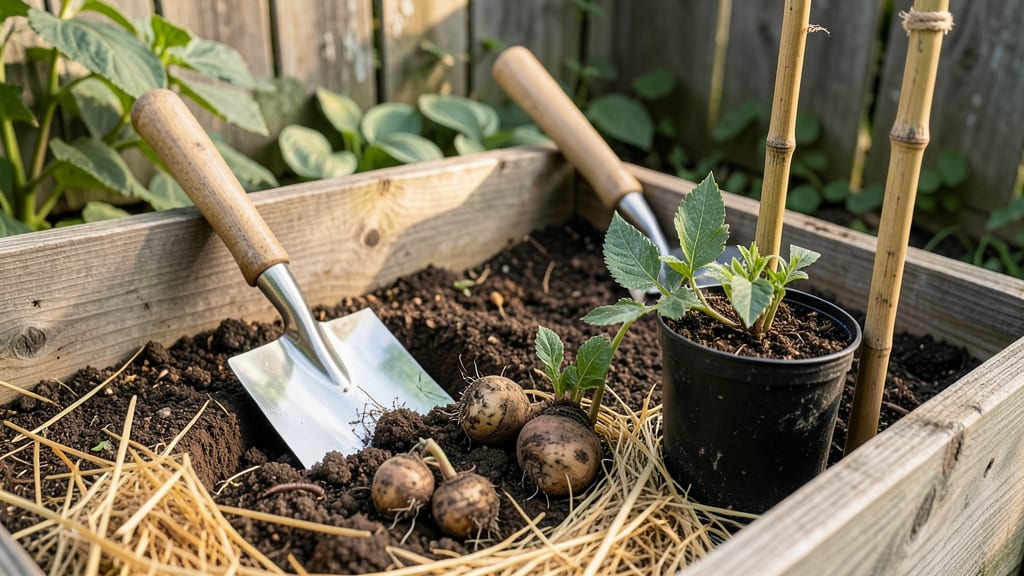
When to plant dahlias in Zone 6b is the key to unlocking a garden bursting with vibrant blooms from July through October. Timing these tubers just right makes all the difference—too early, and frost will nip those delicate sprouts before they even emerge. Too late, and you’ll miss out on months of showstopping 🌸 flowers that thrive in your garden. Most gardeners in Zone 6b wait until the soil warms to a steady 60°F—typically mid-to-late May—before planting. But there’s more to it than just dates. You’ll need to factor in your last frost date (usually around April 15), soil readiness, and even how quickly your dahlias mature. In this guide, I’ll walk you through the exact window to plant your tubers, whether to start them indoors, and how to protect them from late frosts. By the end, you’ll know exactly when to get those tubers in the ground for a long, lush season of color. No more guessing—just a foolproof plan tailored for Zone 6b’s unpredictable spring. Let’s get those dahlias growing the right way.

Optimal planting timeline for dahlias in Zone 6B based on soil temperature
In Zone 6B, timing your dahlias perfectly means waiting for the soil to warm to 60°F consistently—this is non-negotiable for tuber health. Cold soil (50°F or below) can stunt growth or even rot your tubers before they sprout.
I’ve learned this the hard way after planting too early in April and watching my tubers fail to thrive.
Your last frost date in Zone 6B typically lands around April 15, but this doesn’t mean you should rush to plant. Dahlias are heat-loving plants that need warmth to activate their roots.
Waiting for soil warmth ensures your tubers don’t sit in cold, damp conditions, which is a recipe for rot.
Soil temperature is your best guide—not the calendar. Use a soil thermometer (just $10 at garden centers) to check daily. Once the soil hits 60°F for 3–5 days in a row, your dahlias are ready to go in the ground. In my experience, this usually falls in mid-to-late May for most of Zone 6B.
If you’re eager to extend your bloom season, consider pre-sprouting tubers indoors 4–6 weeks before your target planting date. This gives you a head start and can add 2–4 weeks of blooms to your season.
I’ll cover this in detail in the next section, but for now, mark your calendar for May 15–June 1 as your ideal planting window.
⚠️ Visual Element: Summary Table ⚠️
| Stage | Action | Soil Temp | Notes |
|---|---|---|---|
| Pre-Sprouting Indoors | Start tubers in pots, 4–6 weeks before last frost | N/A | Use warm spot (70°F) |
| Hardening Off | Acclimate plants to outdoor temps, 1 week before planting | 50°F+ | Gradually increase sun exposure |
| Planting Tubers | Plant when soil hits 60°F consistently | 60°F+ | Mid-to-late May in Zone 6B |
| Post-Planting Care | Water deeply, mulch, and fertilize lightly | 60°F+ | Avoid overwatering |
Zone 6B’s microclimates can throw off your timing. If you’re in a valley or low-lying area, frost lingers longer, so wait until June 1 to plant. Conversely, if you’re on a south-facing slope, soil warms faster, and you might plant as early as mid-May.
I always check with my local Cooperative Extension Service for hyper-local frost data.
For late bloomers, like ‘Café au Lait’ or ‘Thomas Edison’, plant tubers 2–4 weeks later than your earliest varieties. This staggered approach ensures continuous blooms from July through October. I’ve used this trick to keep my garden vibrant well into fall.
Protect your dahlias from late spring frosts (which can happen as late as May 15 in Zone 6B) by using frost cloth or a mini greenhouse for the first week after planting. I’ve saved my plants multiple times by covering them with burlap sacks during unexpected cold snaps.
Once planted, dahlias need consistent moisture to establish roots. Water deeply 2–3 times per week until they’re fully established (about 4–6 weeks). I use a drip irrigation system to keep water at the roots and avoid wetting the foliage, which reduces fungal diseases like powdery mildew.
Your dahlias will reward you with bold blooms in 8–12 weeks, but only if you’ve planted them at the right time. In Zone 6B, that means patience until soil warms to 60°F—no exceptions. Trust the thermometer, not the calendar, and your dahlias will thrive.
Optimal planting timeline for dahlias in Zone 6B based on soil temperature
Zone 6B gardeners know timing is everything—especially when planting dahlias. The key to success? Waiting until the soil temperature hits a consistent 60°F. Cold soil can stunt growth or even kill tubers, while rushing too early risks frost damage.
In most of Zone 6B, this window typically falls between mid-to-late May, but microclimates can shift this by 1-2 weeks.
To test soil readiness, use a simple soil thermometer buried 4 inches deep for 3 consecutive days. If the reading stays at or above 60°F, your dahlias are ready to go.
Pro tip: Early morning is the best time to check—soil warms up during the day, which can give false readings. Last frost dates in Zone 6B usually land around April 15, but tubers should never go in the ground until soil warms up.
| Stage | Action | Zone 6B Timeline |
|---|---|---|
| Soil Prep | Amend with compost | Early April |
| Chitting Tubers | Place in bright, warm spot | Late March |
| Soil Temperature Check | Consistent 60°F+ | Mid-May |
| Planting Tubers | 4-6 inches deep | Late May |
| First Blooms | With proper care | July-August |
For gardeners eager to extend the bloom season, consider accelerated planting. If you live in a warmer microclimate (like near a south-facing wall or in a low-lying area), you might plant tubers as early as early May.
Use row covers or cloches to protect young shoots from unexpected late frosts. Just remember: Dahlias are tender perennials, so they’ll bolt if exposed to temperatures below 40°F.
If you miss the ideal window, don’t panic! You can still plant dahlias in early June, though blooms may arrive later. For a head start, begin chitting tubers indoors in late March—place them in a bright, warm spot (around 65°F) with the "eyes" facing up.
This encourages early sprouting, giving you a jump on the season. Just be sure to harden off seedlings before transplanting.
One common mistake in Zone 6B is relying solely on last frost dates instead of soil temperature. A late frost can still linger even after the "official" frost date, so always double-check with your soil thermometer.
Pro gardeners swear by planting 2-4 weeks after the last frost to ensure safety. This extra buffer gives you peace of mind and healthier plants.
Once your dahlias are in the ground, focus on consistent moisture and full sun to encourage robust growth. With the right timing and care, you’ll enjoy vibrant blooms from July through October, making your garden the envy of the neighborhood.
The key? Patience and preparation—your dahlias will thank you with showstopping color all season long. 🌸