
Plants
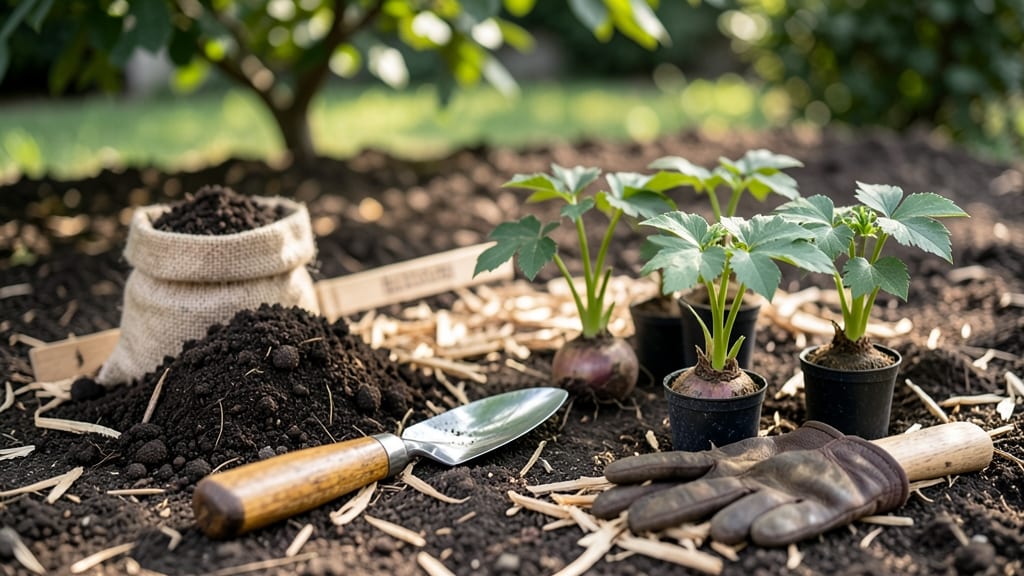
Timing your dahlia planting in Zone 6a can mean the difference between a showstopping summer garden and a season of missed blooms. These stunning 🌼 flowers need warmth to thrive, but planting too early risks frost damage to delicate tubers.
The key? Waiting until the soil reaches a steady 60°F—typically 4-6 weeks after your last frost date—when danger of cold snaps has passed.
Why does this matter? Dahlias are finicky about temperature swings, and rushing them can stunt growth or even kill your plants before they get a chance to flourish. In Zone 6a, where late frosts linger until mid-May, patience pays off—those extra weeks let tubers establish roots before summer heat arrives.
I’ve learned the hard way that skipping this step means smaller blooms or flowers that arrive too late for peak enjoyment.
Here’s the good news: with the right approach, you can push your dahlias to bloom from July through October. We’ll cover how to prep tubers for planting, when to harden them off, and even tricks to extend their season if fall threatens early.
Whether you’re a first-time gardener or a seasoned pro, these insights will help you grow dahlias that steal the show.
Ready to transform your garden? Let’s dive into the exact steps to plant dahlias in Zone 6a—so you can enjoy vibrant blooms all season long without the guesswork.

Exact weeks before last frost to plant dahlias in Zone 6A
Timing is everything when planting dahlia tubers in Zone 6A. The ideal window is 4-6 weeks after your last frost date, typically mid-to-late May in most areas.
This ensures your tubers warm up in 60°F (15°C) soil, preventing cold damage while avoiding late-season blooms that arrive too late for peak enjoyment.
Zone 6A's average last frost date is around April 15, but this varies yearly. Use a local frost calendar or plant when nighttime temps consistently stay above 50°F (10°C). Dahlias are tender perennials, so rushing them into cold soil will stunt growth or kill the tubers entirely.
For direct planting, wait until soil temperatures stabilize above 60°F (15°C). A simple soil thermometer (just $10 at garden centers) takes the guesswork out of timing. If you're transplanting started tubers, you can plant 2 weeks earlier since they've already begun growing indoors.
Here's the critical timeline for Zone 6A gardeners:
| Stage | Action | Zone 6A Timeline |
|---|---|---|
| Last Frost Date | Track local averages (typically April 15) | April 15 ± 2 weeks |
| Soil Warm-Up | Wait for 60°F (15°C) soil temps | Late April - Early May |
| Direct Planting Window | Plant tubers 4-6" deep | Mid-May - Early June |
| Transplant Window | Move started tubers | Late April - Mid-May |
| First Blooms | Expect flowers 90-120 days after planting | Late July - August |
If your spring arrives late, consider starting tubers indoors 6-8 weeks before your target planting date. Use a grow light to prevent leggy growth, and harden off seedlings for 7-10 days before transplanting. This extends your planting window by 2-3 weeks without risking frost damage.
For gardeners in Zone 6A's cooler microclimates, plant dwarf varieties first (like 'Café au Lait' or 'Karma Choc') since they tolerate cooler soils better. Tall varieties (such as 'Thomas Edison' or 'Galaxy') need warmer soil to establish strong root systems before summer heat arrives.
Pro tip: Mulch heavily after planting to maintain soil warmth. Use straw or shredded leaves (3-4 inches thick) to create a mini greenhouse effect that protects tubers from late spring frosts while encouraging root growth. This buffer zone can add 1-2 weeks to your effective planting window.
Remember, dahlias are short-lived perennials in Zone 6A. Planting at the optimal time ensures your tubers establish strong roots before winter, giving you larger, healthier plants next season. Mark your calendar now—May 15th is your sweet spot for most Zone 6A gardeners!
🌱
Exact weeks before last frost to plant dahlias in Zone 6A
In Zone 6A, timing is everything for dahlias—plant too early and frost will kill tender tubers, too late and you’ll miss peak bloom season.
The ideal window is 4-6 weeks after your last frost date, typically mid-to-late May in most of Zone 6A. This gives soil time to warm to 60°F (15°C), the minimum temperature for tuber viability.
Use your average last frost date (usually April 15) as your starting point. For example, if frost typically ends on April 15, aim to plant between May 15 and May 31. This schedule aligns with soil temperature thresholds and avoids early-season cold snaps that can stunt growth.
| Stage | Action | Notes |
|---|---|---|
| Last Frost Date | April 15 (avg.) | Check local records for accuracy. |
| Soil Warm-Up | 4-6 weeks | Target 60°F (15°C) minimum. |
| Planting Window | Mid-to-late May | Adjust for early/late springs. |
| Bloom Timeline | July-October | Earlier for dwarf varieties. |
For gardeners in early-spring areas of Zone 6A, consider starting tubers indoors 6-8 weeks before planting to jumpstart growth. Use a grow light or sunny windowsill to encourage sprouting, then harden off plants for 10-14 days before transplanting.
This method extends your bloom season by 2-4 weeks compared to direct planting.
If you’re planting from seed (not tubers), start seeds indoors 10-12 weeks before last frost70°F (21°C), so use a seedling heat mat if needed. Seed-grown dahlias may bloom 4-6 weeks later than tuber-planted varieties, but they offer more variety choices.
Pro tip: Use a soil thermometer to confirm temperatures before planting. Dahlias won’t thrive in cold soil—wait until readings hit 60°F (15°C) consistently for 5+ days. In late springs, consider using row covers or a mini greenhouse to protect young plants until soil warms.
Remember: Dahlias are tender perennials in Zone 6A—they’ll die back to the ground with frost. Plan to dig and store tubers after your first frost (usually mid-October) to replant next spring. This annual cycle ensures you get maximum blooms each season without risking winter kill.