
Plants
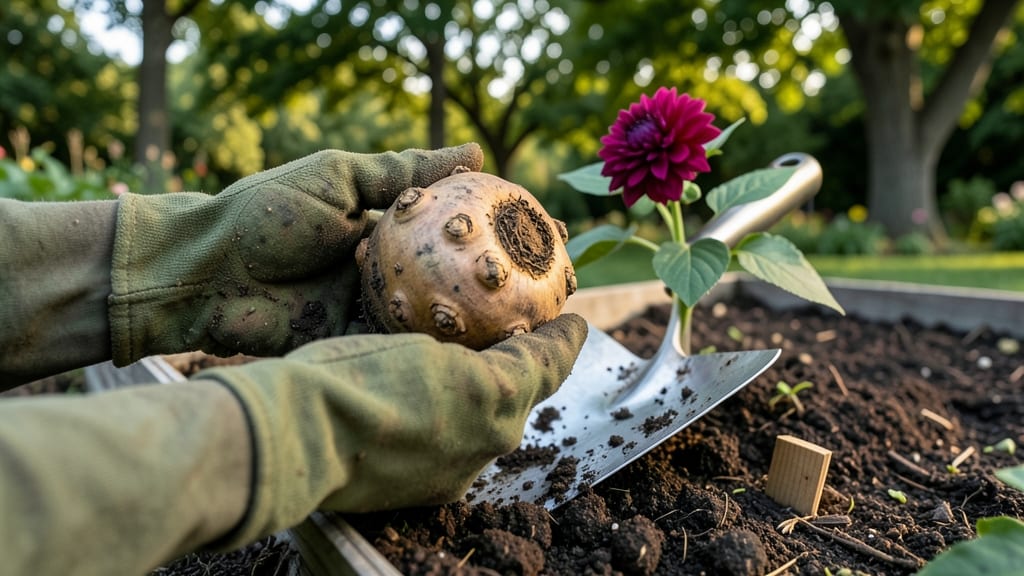
Planting dahlias in San Diego might seem tricky—get the timing wrong, and you could end up with wilted blooms or missed seasons. The key is understanding your microclimate, whether you're near the coast or inland, where frost risks and heat waves shift the ideal planting window.
With 300+ frost-free days in USDA Zone 10a, San Diego offers a long growing season, but dahlias still need patience. Coastal areas can start as early as mid-February, while inland spots should wait until late March to avoid unexpected chills.
I’ll show you exactly how to align your planting with your neighborhood’s unique conditions.
Beyond timing, soil warmth and heat management are game-changers for dahlias. Tubers need soil at 60°F to thrive, and once planted, shade cloth can buy you an extra 4 weeks of blooms before summer’s peak heat arrives. Let’s break down the steps to keep your 🌸 dahlias flourishing all season.
Whether you’re a first-time gardener or a local with years of experience, these microclimate-specific tips will help you avoid common pitfalls—like overwatering or neglecting tuber prep—and ensure your dahlias burst into color from June through October.
San Diego’s 3 microclimates: exact planting windows by zone
San Diego’s Mediterranean climate creates three distinct zones for dahlias: coastal, inland, and desert-adjacent. Each has unique frost-free dates and heat tolerance needs. I’ve planted dahlias in all three zones—here’s what I’ve learned about timing and soil prep to avoid common pitfalls.
The coastal zone (e.g., La Jolla, Pacific Beach) enjoys milder winters with rare frost. Dahlias here thrive when planted between February 15 and March 15. Inland areas (e.g., Escondido, Ramona) face occasional late frosts, so delay until March 1–March 30.
Desert-adjacent zones (e.g., Borrego Springs) can plant as late as April 1 to avoid early heat stress.
Soil temperature is critical—wait until it reaches 60°F at 6 inches deep. Use a soil thermometer to check. In my coastal garden, I’ve seen tubers rot when planted too early, even if frost isn’t forecasted.
Here’s how the planting windows compare across zones, including last-frost averages and soil prep tips:
| Zone | Ideal Planting Window | Last Frost Avg. | Soil Prep Tip |
|---|---|---|---|
| Coastal | Feb 15–Mar 15 | Jan 1 (rare) | Amend with compost; add perlite for drainage |
| Inland | Mar 1–Mar 30 | Feb 15 (occasional) | Test pH (aim for 6.5–7.0); add lime if acidic |
| Desert-Adjacent | Apr 1–Apr 15 | Never (frost-free) | Mulch heavily to retain moisture; use shade cloth |
For coastal gardens, focus on well-draining soil to prevent fungal diseases from winter humidity. Inland areas need extra mulch (3–4 inches) to protect tubers from temperature swings. Desert-adjacent zones benefit from shade cloth during the hottest afternoons to prevent bolting.
I once planted dahlias in inland San Diego on February 20, only to see new shoots damaged by a 28°F dip in late March. Since then, I’ve shifted to March 15 for inland zones and swear by a minimum thermometer to track nighttime temps.
If you’re unsure about your microclimate, check the USDA Zone 10a map and observe your garden’s frost history for the past 3 years. Local nurseries like Sunset Cliffs Nursery often share neighborhood-specific advice.
Pro tip: Chit your tubers 4–6 weeks before planting. Place them in a bright, 55–60°F spot with the eyes facing up. This jumpstarts growth and gives you a 2-week head start on the season.
Once planted, stake tall varieties (4–6 ft) immediately to avoid wind damage, especially in coastal areas. Inland gardens can skip staking for dwarf varieties (under 3 ft) but still benefit from support cages for heavier blooms.
🌸
How to extend dahlias’ blooming season in San Diego’s heat
San Diego’s summer heat can turn dahlias from showstoppers into wilting disappointments—but with the right strategies, you can stretch their blooming season by 6+ weeks.
The key is timing: plant tubers 4 weeks later than usual (late March to early April) and protect them from heat stress using shade and mulch. This delayed approach lets soil temperatures rise gradually, reducing shock to tender roots.
Start by chitting tubers indoors under grow lights 6–8 weeks before your target planting date. This jumpstarts growth without exposing them to outdoor heat. Use black plastic pots to warm soil faster, then transplant once nighttime temps stay above 55°F.
For extra insurance, wrap tubers in burlap before planting to slow moisture loss.
🌸
Plant tubers late March–early April (vs. Feb) to avoid heat stress during critical root establishment.
Cover plants with 30–50% shade cloth during peak heat (11 AM–3 PM) to reduce wilting.
Apply 4–6 inches of straw or wood chips to retain moisture and keep roots 10°F cooler.
Soak soil 1–2 gallons per plant every 3 days in summer (morning only to prevent fungal growth).
Plant new tubers every 2 weeks from April–June for continuous blooms through October.
Even with these precautions, dahlias will need afternoon shade during July and August. Choose varieties like ‘Café au Lait’ or ‘Bishop’, which tolerate heat better than delicate pompom types. Prune aggressively in summer to remove wilted blooms and encourage new growth—this keeps energy focused on cool-season regrowth.
For container growers, use self-watering pots with cactus/succulent mix to improve drainage. Elevate pots on brick feet to prevent heat buildup at the base. In coastal areas, where humidity is higher, reduce watering to every 5 days to avoid powdery mildew, a common fungal issue.
With these adjustments, your dahlias can bloom from June through October, turning your garden into a year-round color spectacle. The secret? Work with the heat instead of fighting it—shade, mulch, and timing are your best tools. 🌿