
Plants
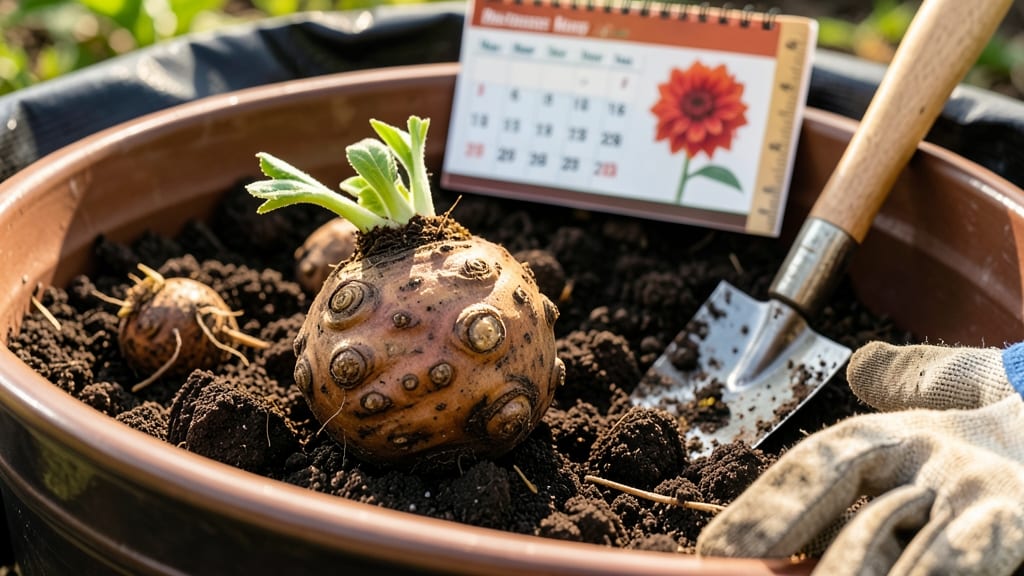
Planting dahlias at the wrong time in Missouri could mean the difference between a showstopping summer garden and a sad pile of frost-nipped tubers.
You’ve got just 4 weeks between when you should start those tubers indoors and your last frost date—usually around April 15. Miss that window, and you’ll either plant too early (and risk frost damage) or too late (and miss peak blooms).
Here’s the game-changer: I’ll walk you through Missouri’s 5b-6b hardiness zones, the exact steps to prep tubers, and how to stretch your growing season for longer, more vibrant dahlias—no guesswork, just results.
Let’s get those 🌸 dahlias in the ground the right way, so you’re cutting fresh blooms by July.
Missouri’s ideal dahlias planting timeline: frost dates & hardiness zones
Missouri’s USDA Hardiness Zones 5b-6b mean frost dates vary dramatically across regions. In northern Missouri (Zone 5b), the last frost typically hits around April 15-20, while southern Missouri (Zone 6b) sees frost-free conditions by March 25-April 5.
These dates determine when to start your dahlia tubers indoors—always 4 weeks before your local last frost for healthy growth.
For example, if your last frost is April 15, start tubers March 15. This head start ensures tubers develop strong roots before transplanting. Missouri’s short growing season (about 165 frost-free days) means timing is critical to maximize blooms from July through October.
Here’s how to align your planting with Missouri’s climate:
| Region | Last Frost Date | Start Tubers Indoors | Transplant Outdoors |
|---|---|---|---|
| Northern MO (Zone 5b) | April 15-20 | March 15-20 | May 1-15 |
| Central MO (Zone 6a) | April 1-10 | February 25-March 5 | April 15-May 1 |
| Southern MO (Zone 6b) | March 25-April 5 | February 15-25 | April 1-15 |
Use this timeline to avoid frost damage or missed blooms. For example, St. Louis (Zone 6a) gardeners should start tubers by March 1 and transplant by April 15. Check your local Missouri State Climatologist for precise frost dates—even a 5-day delay can impact tuber readiness.
Pro tip: Mark your calendar for Mother’s Day weekend (May 12-14), a common last-frost benchmark in Missouri. This gives you a reliable deadline for transplanting tubers outdoors once soil warms to 60°F+.
If you’re in Zone 5b, consider using row covers or a cold frame to extend your planting window by 1-2 weeks. This protects tender tubers during late spring frosts, which can still occur in northern Missouri through early May.
For container gardening, start tubers indoors 2 weeks earlier (by February 15) since pots warm up slower. Use black plastic pots to absorb sunlight and accelerate root growth.
Missouri’s humidity and summer heat (especially in July-August) can stress dahlias if planted too late. Aim to have tubers established by June 1 to ensure robust stems and continuous blooms through fall.
Remember: Dahlias are not frost-tolerant—even young shoots will die in 32°F+ temperatures. Use mulch to insulate soil and protect tubers during unexpected late frosts.
Step-by-Step guide: preparing dahlias tubers for Missouri’s climate
Preparing dahlia tubers properly is the key to vibrant blooms and healthy plants in Missouri’s unpredictable spring weather. Start by cutting and chitting your tubers 4-6 weeks before your last frost date—typically mid-March to early April for most of the state.
This head start ensures your dahlias will be ready to thrive once soil temperatures hit 60°F+.
First, inspect your tubers for any soft or mushy spots, which indicate rot. Use a sterilized knife to separate tubers, ensuring each piece has at least one healthy eye (the small bump where growth begins).
Let the cut surfaces dry for 24 hours to prevent disease. This step is critical—damp tubers rot quickly in Missouri’s humid springs.
Missouri’s variable spring weather can make outdoor planting risky, so I recommend starting tubers indoors under grow lights if your last frost date is late (like in northern Missouri).
Use seedling trays with well-draining mix—dahlias hate soggy roots. Once sprouts hit 2-3 inches, they’re ready for the garden, but wait until soil warms to avoid stunted growth.
After planting, water deeply but avoid overhead watering—Missouri’s humidity + wet foliage = fungal diseases. Instead, use a soaker hose or drip irrigation to keep leaves dry. Stake your dahlias early (even dwarf varieties need support) to prevent wind damage from spring storms.
With this prep, your dahlias will burst into bloom by July—just in time for Missouri’s hummingbird season!
Pro move: Save tubers for next year by digging them up before first frost (usually mid-October). Cure them in a cool, dry place for 2 weeks, then store in peat moss or vermiculite at 35-40°F.
Label each variety—‘Café au Lait’ and ‘Bishop’ are Missouri favorites that reward this effort with stunning cut flowers!