
Plants
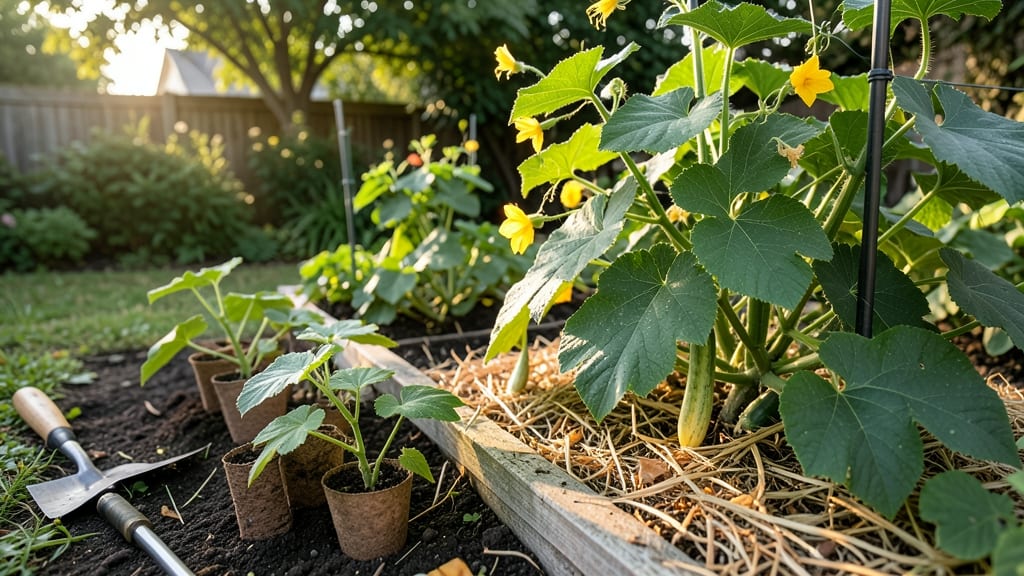
Timing your cucumber planting in New York can mean the difference between a bountiful harvest and wasted effort—especially when late frosts still lurk in the forecast.
The exact window for planting cucumbers varies dramatically across the state, from the cooler upstate regions to the slightly warmer NYC area, making a one-size-fits-all approach risky.
If you’ve ever rushed to plant cucumbers 🥒 only to watch them wither in a surprise frost, you know how frustrating it can be.
The key to success lies in understanding your specific heat zone, soil temperature requirements, and the last frost dates that dictate when it’s truly safe to get those seeds in the ground.
I’ve spent years growing cucumbers in New York’s unpredictable climate, and what I’ve learned can save you from common mistakes—like planting too early or ignoring soil warmth.
Whether you’re starting seeds indoors for a head start or sowing directly into the garden, this guide will give you the precise timing you need for each zone.
Ready to transform your cucumber-growing game? Let’s dive into the heat-zone map that will have you harvesting crisp, homegrown cucumbers all summer long—no guesswork required.
NY heat-zone planting calendar for cucumbers (with frost dates)
New York’s diverse climate zones mean your cucumber planting window can vary from upstate’s cooler regions to NYC’s urban heat islands. Understanding your USDA hardiness zone (3-7 in NY) and average last frost date is key to avoiding frost damage while maximizing your harvest.
Most of NY falls between zones 5-7, but even within these zones, microclimates create 10-14 day differences in planting times.
For cucumbers, which thrive in warm soil (70°F+) and consistent heat, timing is everything. Planting too early risks cold soil stunting or frost damage, while waiting too long shortens your harvest window.
The solution? Use a heat-zone map tailored to NY’s spring frost patterns and summer heat retention.
⚠️ NON-NEGOTIABLE: Cucumbers cannot tolerate frost. Even a light frost will kill seedlings or young plants. Always wait until soil temperatures reach at least 60°F (ideally 70°F+) and nighttime temperatures stay above 50°F consistently for 7-10 days.
If you’re direct sowing seeds (the most common method for cucumbers), wait until after your last frost date and when soil is at least 60°F. For seedlings, you can plant 2-3 weeks earlier since they’re more established, but still avoid cold soil.
In NYC’s Zone 7-8, where springs warm quickly, you might see cucumbers by June if planted early. In upstate Zone 5, expect harvests starting in late July.
Pro tip: Use a soil thermometer to confirm readiness. Cucumbers won’t germinate in soil below 60°F, and even if they do, growth will be stunted.
Aim for 70°F+ for optimal germination and vigor. In cooler zones like Zone 5, consider black plastic mulch to warm the soil 2-3°F faster.
For extended harvests, succession plant every
How to extend your cucumber growing season in NY (cold frames vs. row covers)
New York’s short growing season means cucumbers need every advantage to thrive. If you’ve ever planted too late and missed your harvest, season extension techniques can make all the difference.
Whether you’re in upstate NY’s cooler zones or NYC’s urban heat islands, these methods help cucumbers grow longer and produce more.
Cold frames and row covers are two of the most effective tools for NY gardeners. Both protect young plants from late spring frosts and early fall chills, while also warming the soil faster. The key difference? Cold frames are permanent structures, while row covers are lightweight fabrics you can remove as temperatures rise.
For early planting, use cold frames to start seeds 4-6 weeks before your last frost date. In NY’s Zone 5-6 (upstate), that’s often mid-April to early May. In Zone 7-8 (NYC/Long Island), you can push it to late March.
These frames trap heat during the day and release it slowly at night, keeping soil temperatures ideal for germination.
Cold Frames vs. Row Covers
Cold Frames
- Pros: Warms soil faster, extends season both sides, reusable
- Cons: More expensive, requires assembly, less portable
Row Covers
- Pros: Affordable, lightweight, easy to remove, portable
- Cons: Needs stakes for support, less soil warming, must be removed when temps rise
For late-season protection, row covers are my go-to. After your cucumbers start fruiting in late August or September, drape a floating row cover over them to shield against early frosts. In NY’s Zone 5, this can extend your harvest by 2-4 weeks. Just
Black plastic mulch is another game-changer for NY gardeners. Lay it down 2-3 weeks before planting to warm the soil 5-10°F faster than bare ground. This lets you plant cucumbers 10-14 days earlier in spring and keeps them producing longer in fall. Pair it with a hoop tunnel for even better results—especially in cooler upstate regions where summers are shorter.
If you’re growing cucumbers in containers or raised beds, add an extra layer of insulation by wrapping the sides with bubble wrap in early spring. This mimics the soil-warming effect of cold frames but works for small spaces.
For urban NY gardeners, even a simple DIY mini greenhouse (like a repurposed plastic storage bin with a clear lid) can buy you 2-3 extra weeks of growing time.